Tattooing on skin affected by vitiligo presents a unique set of challenges and considerations. Vitiligo, a condition characterized by the loss of melanocytes (the cells that produce pigment) resulting in depigmented patches of skin, requires a cautious and informed approach to tattooing. Before considering getting inked, you need to understand the potential risks, benefits, and best practices to ensure a safe and aesthetically pleasing outcome. This comprehensive guide explores everything you need to know about tattoos and vitiligo, from initial considerations to aftercare, empowering you to make an informed decision and potentially embrace body art as a form of self-expression.
Understanding vitiligo and tattooing: key considerations before you ink
Vitiligo is more than just a cosmetic concern; it’s an autoimmune condition where the body’s immune system mistakenly attacks melanocytes. This destruction leads to the appearance of white patches on the skin, which can vary in size and location. Before even thinking about a tattoo, you must understand the nature of your vitiligo. Is it stable, or is it actively spreading? Active vitiligo significantly increases the risk of complications like the Koebner phenomenon, where trauma to the skin (such as tattooing) triggers new vitiligo patches to appear. It’s also critical to consult with your dermatologist. They can assess the stability of your vitiligo, discuss potential risks specific to your condition, and provide guidance on whether tattooing is a safe option for you. They might also recommend specific treatments or precautions to take before and after the procedure.
The Koebner phenomenon, also known as isomorphic response, is a crucial consideration. Any trauma to the skin, including cuts, burns, and yes, even tattooing, can potentially trigger new vitiligo patches in susceptible individuals. The risk is higher in those with active or unstable vitiligo. Imagine your skin as a canvas. In individuals without vitiligo, a tattoo artist paints a design onto a stable background. However, with vitiligo, the canvas itself is dynamic and potentially reactive. The tattooing process can be perceived as an injury, causing the immune system to react in unpredictable ways, potentially expanding existing vitiligo patches or creating new ones around the tattoo site. The location of your vitiligo is also a significant factor. Tattooing directly on or near active vitiligo patches is generally discouraged. The skin in these areas is already compromised and more susceptible to complications. Even tattooing on seemingly unaffected skin near a vitiligo patch can carry a risk, as the underlying immune processes might still be active in that region.
Furthermore, consider the emotional and psychological implications. Living with vitiligo can be challenging, and the decision to get a tattoo should be approached with careful consideration. What are your motivations for getting a tattoo? Is it to conceal vitiligo patches, to embrace your unique skin, or simply for artistic expression? Understanding your motivations will help you make an informed decision and ensure that the tattoo enhances your self-image rather than causing further emotional distress. Be realistic about the potential outcome. While tattoos can sometimes camouflage vitiligo patches, they won’t cure the condition. The contrast between the tattooed skin and surrounding areas might still be noticeable, especially as the tattoo ages and fades. Consider how the tattoo will look if your vitiligo progresses over time. Will it still achieve your desired aesthetic effect, or might it become less appealing as new patches appear? Discuss these concerns openly with your tattoo artist and dermatologist to manage your expectations and make informed decisions.
Before proceeding, it’s imperative to research tattoo artists who have experience working with vitiligo or other skin conditions. Look for artists who are knowledgeable about the potential risks and are willing to work closely with you and your dermatologist to minimize those risks. Don’t hesitate to ask questions about their experience, techniques, and safety protocols. A reputable artist will be transparent and forthcoming with information and will prioritize your health and well-being above all else. Finally, remember that tattooing with vitiligo is a personal decision. There’s no right or wrong answer. Carefully weigh the potential risks and benefits, consult with medical professionals and experienced tattoo artists, and listen to your intuition. If you feel confident and informed, you can proceed with your tattoo journey, knowing that you’ve taken the necessary steps to ensure a safe and positive outcome.
Can you get a tattoo with vitiligo? risks, benefits, and expert opinions
The question of whether someone with vitiligo can get a tattoo isn’t a simple yes or no. It’s more accurately answered with “it depends.” It hinges on several factors, primarily the stability of your vitiligo and the expertise of your tattoo artist. From a purely technical standpoint, there’s nothing inherently preventing a tattoo needle from depositing ink into skin affected by vitiligo. The skin barrier is still present, even without pigment. However, the risks involved are significantly higher compared to tattooing on unaffected skin.
One of the primary risks, as previously mentioned, is the Koebner phenomenon. Tattooing, due to its nature of causing micro-trauma to the skin, can trigger new vitiligo patches to appear in areas that were previously unaffected. This is a significant concern, particularly for individuals with active or unstable vitiligo. The risk can be minimized, but not entirely eliminated, by ensuring your vitiligo is in a stable phase. This means that the existing patches haven’t significantly changed in size or number for at least a year, ideally longer. Your dermatologist can help you assess the stability of your condition and advise on the suitability of tattooing.
Another risk is the potential for poor healing. Skin affected by vitiligo might be more sensitive and prone to inflammation, potentially leading to delayed healing, increased risk of infection, and suboptimal ink retention. This can result in a tattoo that looks faded, uneven, or distorted. Choosing a tattoo artist experienced in working with sensitive skin conditions is crucial. They will understand how to adjust their techniques, such as needle depth and pressure, to minimize trauma and promote optimal healing. They will also be able to advise on appropriate aftercare products and routines to support the healing process.
However, there can also be potential benefits to tattooing on skin with vitiligo. For some individuals, tattoos can be a form of empowerment and self-expression. They can help to reclaim control over their body image and challenge societal beauty standards. A strategically placed tattoo can also camouflage small vitiligo patches, making them less noticeable. Consider a design that incorporates the vitiligo patches into the overall aesthetic, turning them into a unique and integral part of the artwork. This can be a powerful way to embrace your individuality and celebrate your unique skin.
Expert opinions on tattooing with vitiligo are varied. Dermatologists generally advise caution and emphasize the importance of a thorough assessment of the individual’s condition. They may recommend against tattooing if the vitiligo is active or if the individual has a history of Koebner phenomenon. Tattoo artists, on the other hand, may be more open to the idea, particularly if they have experience working with similar skin conditions. However, a responsible and ethical tattoo artist will always prioritize the client’s safety and well-being. They will conduct a thorough consultation to assess the risks and benefits, and they will be transparent about the potential complications. They will also be willing to refuse to tattoo if they believe it is not in the client’s best interest. The decision ultimately rests with you. Weigh the potential risks and benefits, consult with your dermatologist and a reputable tattoo artist, and make an informed choice that aligns with your values and goals. If you choose to proceed, do so with caution and with a clear understanding of the potential challenges and rewards.
Choosing the right tattoo artist & ink colors: minimizing risks and maximizing visibility on vitiligo patches
Selecting the right tattoo artist is paramount when considering a tattoo with vitiligo. This isn’t just about finding someone with artistic talent; it’s about finding a professional with a deep understanding of skin physiology, wound healing, and the specific challenges posed by vitiligo. Look for an artist who has experience working with sensitive skin conditions, or better yet, has specifically worked with clients who have vitiligo. Don’t hesitate to ask for referrals or examples of their work on similar skin types. A skilled artist will be able to adapt their techniques to minimize trauma and promote optimal healing.
During the consultation, ask detailed questions about their experience with vitiligo. Do they understand the Koebner phenomenon? How do they adjust their needle depth and pressure for sensitive skin? What aftercare products do they recommend? A reputable artist will be able to answer these questions confidently and provide evidence of their knowledge and expertise. They should also be willing to collaborate with your dermatologist to ensure a safe and successful outcome. Open communication between the tattoo artist, dermatologist, and yourself is crucial throughout the entire process.
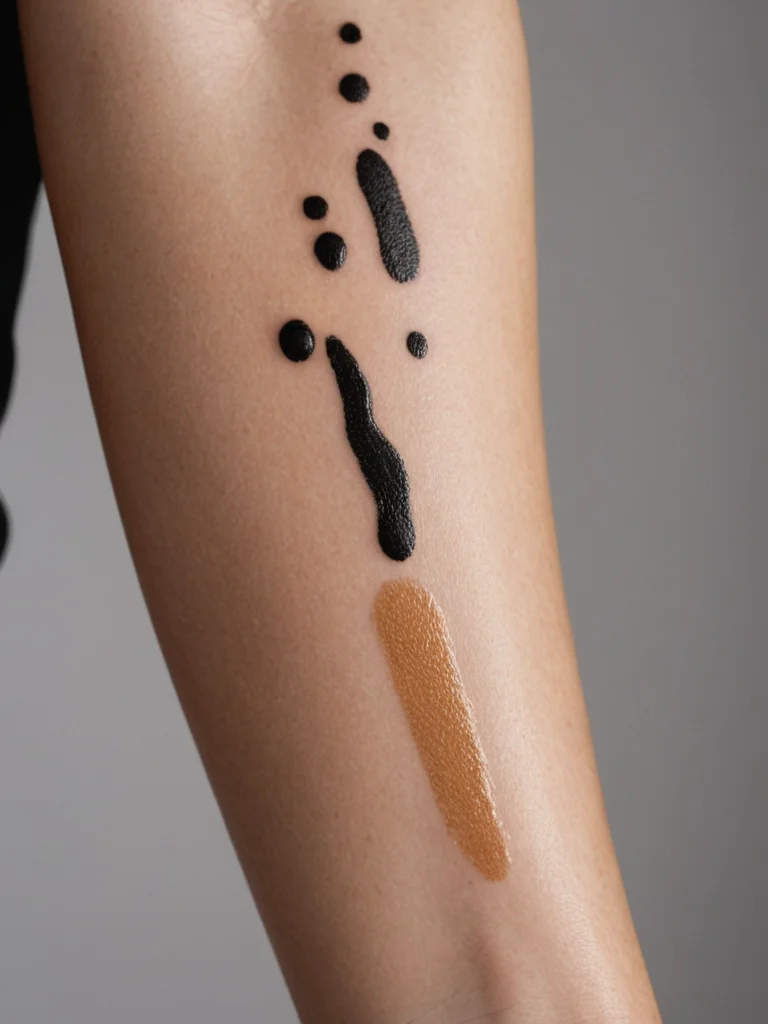
The choice of ink colors is another critical consideration. Colors that are too light or too close to your natural skin tone may not be visible on vitiligo patches. Conversely, very dark colors might create too stark of a contrast, making the vitiligo more noticeable. The best approach is to work with your tattoo artist to select colors that will complement your skin tone and create a balanced and harmonious design. Consider colors that are slightly warmer or cooler than your natural skin tone, as these tend to stand out better on depigmented skin. Patch tests can be helpful in determining how different ink colors will appear on your skin. Your tattoo artist can apply small amounts of different inks to an inconspicuous area of your body and monitor how they heal and settle over time. This will allow you to assess the visibility and color saturation of each ink before committing to the full tattoo.
Beyond color, consider the composition of the ink itself. Some inks contain ingredients that are more likely to cause allergic reactions or irritation, particularly in sensitive skin. Opt for high-quality, hypoallergenic inks that are specifically designed for tattooing. Your tattoo artist should be able to provide you with a list of ingredients for each ink they use. Ask about any potential allergens or irritants and discuss any concerns you have with your dermatologist. The design of your tattoo can also play a significant role in its visibility and overall aesthetic appeal on skin with vitiligo. Consider designs that incorporate the vitiligo patches into the artwork, rather than trying to conceal them. This can create a unique and visually striking effect. Abstract designs, geometric patterns, and floral motifs can all be adapted to complement the natural contours and patterns of your vitiligo. Work closely with your tattoo artist to develop a design that is both aesthetically pleasing and meaningful to you.
Ultimately, choosing the right tattoo artist and ink colors is a collaborative process. Trust your instincts, ask questions, and don’t be afraid to express your concerns. A skilled and compassionate artist will work with you every step of the way to create a tattoo that you can be proud of, regardless of your skin condition. Remember, the goal is to enhance your self-image and celebrate your individuality, not to conceal or diminish your unique beauty.
Tattoo aftercare for vitiligo skin: a step-by-step guide to proper healing and preventing complications
Proper aftercare is always essential for any new tattoo, but it’s even more critical when you have vitiligo. Because the skin might be more sensitive and prone to complications, meticulous attention to the healing process is necessary. Immediately after getting your tattoo, your artist will apply a bandage or protective covering. Leave this in place for the amount of time recommended by your artist, typically a few hours. This barrier protects the fresh tattoo from bacteria and other environmental irritants.
Once you remove the bandage, gently wash the tattooed area with lukewarm water and a mild, fragrance-free soap. Avoid harsh soaps, exfoliants, or anything containing alcohol, as these can irritate the skin and impede healing. Pat the area dry with a clean paper towel; avoid rubbing, as this can also cause irritation. After washing, apply a thin layer of a tattoo-specific aftercare ointment or a fragrance-free, hypoallergenic moisturizer. Your tattoo artist can recommend specific products that are suitable for sensitive skin. Apply the ointment sparingly, as too much can trap moisture and create a breeding ground for bacteria. Repeat this washing and moisturizing routine two to three times per day, or as directed by your tattoo artist. Consistency is key to promoting optimal healing.
Avoid direct sunlight exposure to the tattooed area. Sunlight can fade the tattoo and exacerbate vitiligo. Wear loose-fitting clothing to protect the tattoo from the sun, or apply a broad-spectrum sunscreen with an SPF of 30 or higher. Choose a sunscreen that is specifically formulated for sensitive skin and is free of fragrances and other potential irritants. Avoid swimming in pools, hot tubs, or natural bodies of water until the tattoo is fully healed. These environments can harbor bacteria that can cause infection. Also, avoid picking or scratching at the tattoo, as this can introduce bacteria and disrupt the healing process. It’s normal for the tattoo to itch during the healing process, but resist the urge to scratch. Instead, gently pat the area to relieve the itch.
Monitor the tattoo closely for any signs of infection, such as redness, swelling, pain, pus, or fever. If you notice any of these symptoms, contact your tattoo artist or a medical professional immediately. Early treatment is crucial to prevent the infection from spreading and causing more serious complications. If you experience any signs of Koebner phenomenon, such as the appearance of new vitiligo patches around the tattoo, consult with your dermatologist. They may recommend specific treatments to manage the condition and prevent further spread. Continue to moisturize the tattoo regularly, even after it is fully healed. This will help to keep the skin hydrated and prevent the tattoo from fading. Choose a moisturizer that is suitable for sensitive skin and is free of fragrances and other potential irritants. By following these aftercare guidelines diligently, you can minimize the risk of complications and promote optimal healing for your tattoo. Remember, patience is key. It can take several weeks or even months for a tattoo to fully heal, so be patient and consistent with your aftercare routine.
Real-life examples: inspirational tattoos on skin with vitiligo and what you can learn from them
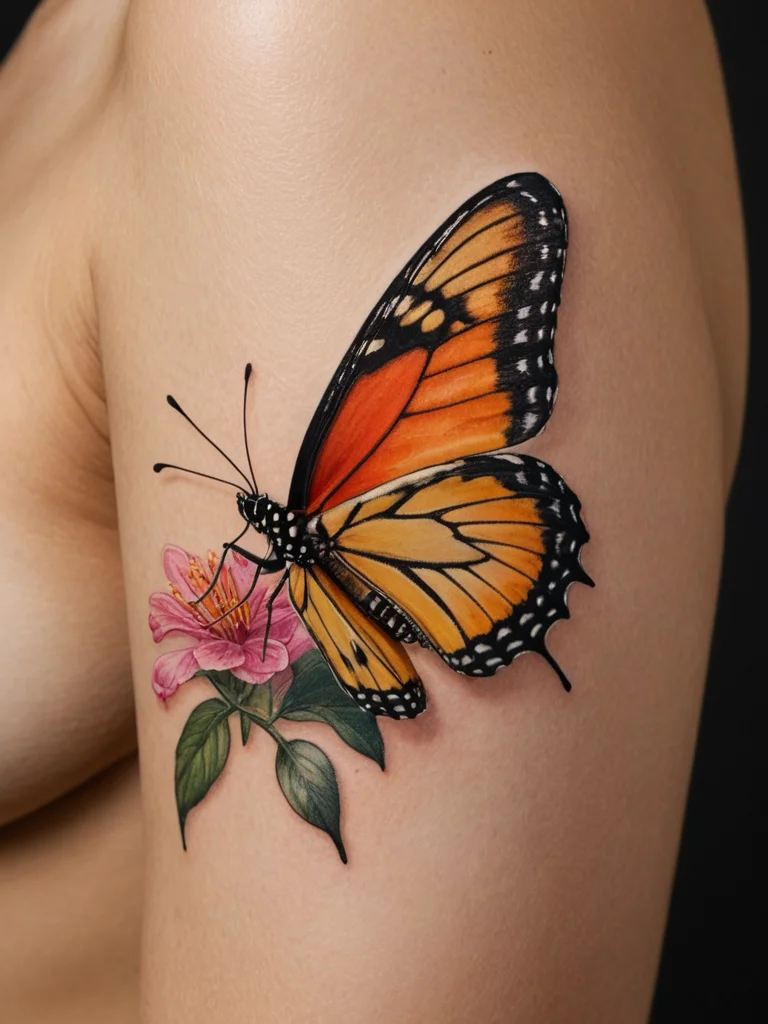
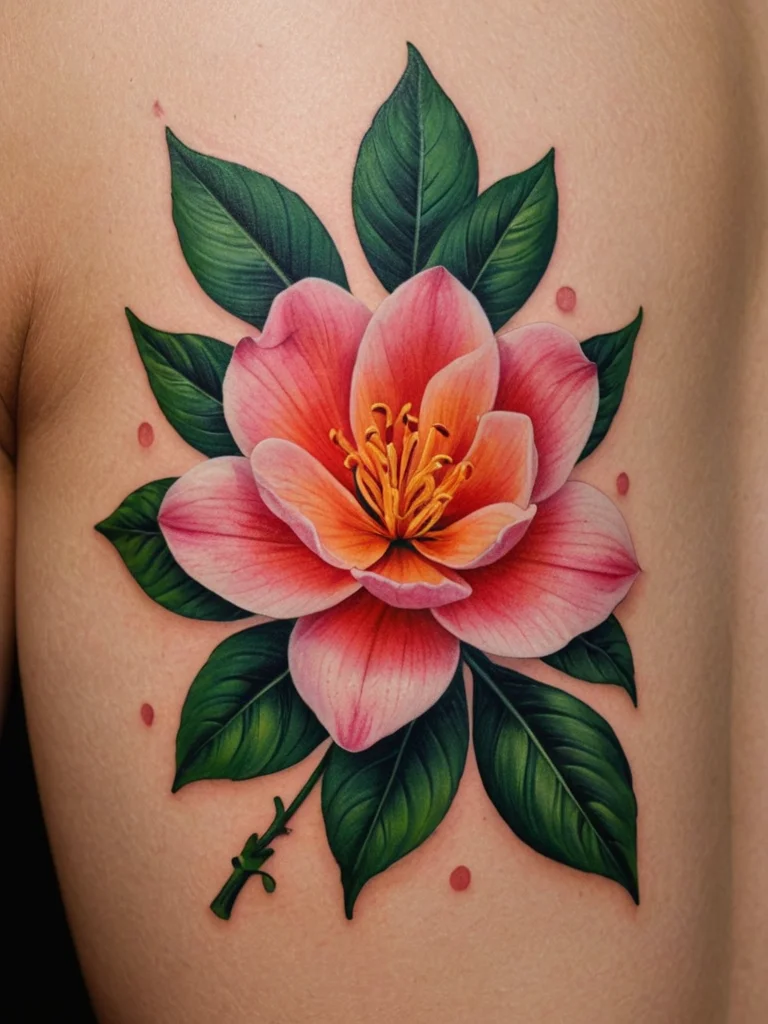
While caution is paramount when considering tattoos with vitiligo, countless individuals have successfully embraced body art as a form of self-expression and empowerment. Examining real-life examples can provide inspiration and valuable insights into the possibilities and challenges involved. One example is a woman named Sarah, who has vitiligo on her arms and legs. Instead of trying to conceal the patches, she chose to get a series of floral tattoos that incorporated the white areas into the design. The flowers appeared to be growing out of the vitiligo, creating a visually stunning and unique effect. Sarah’s tattoos not only celebrate her individuality but also challenge conventional beauty standards. She demonstrates how tattoos can be used to transform perceived imperfections into works of art.
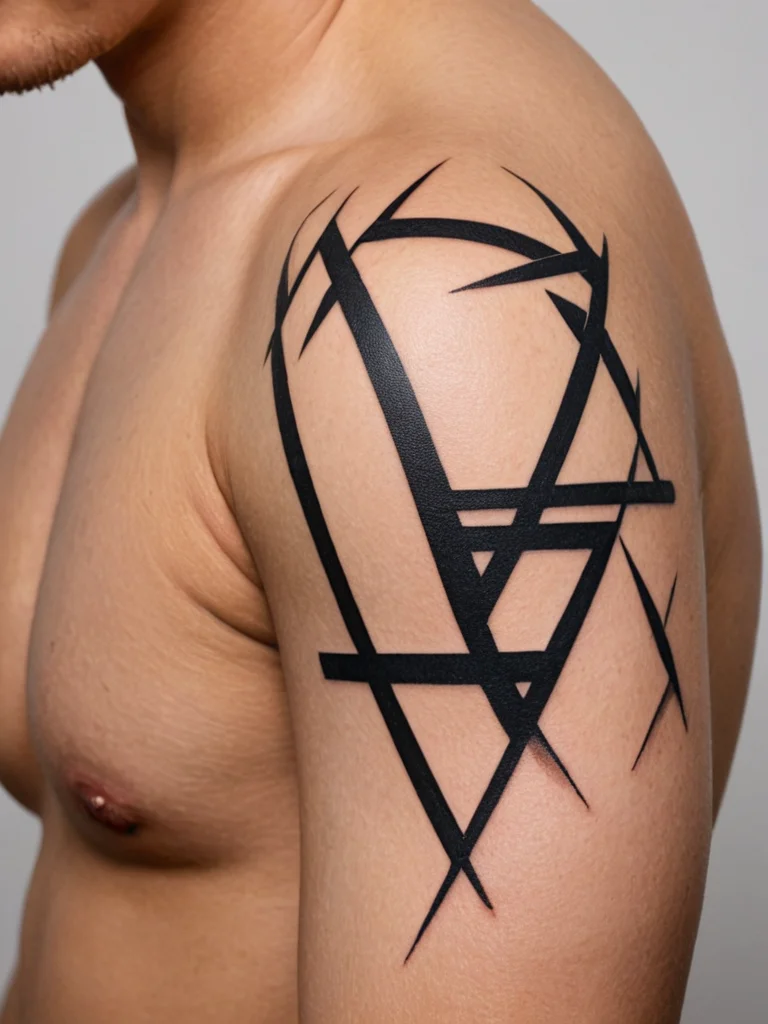
Another example is a man named David, who has vitiligo on his back. He opted for a geometric design that incorporated the white patches as negative space. The tattoo created a striking contrast between the pigmented and depigmented areas, highlighting the natural patterns of his skin. David’s tattoo illustrates how strategic design can be used to create a visually appealing and balanced composition, even with vitiligo. He shows the clever use of negative space to make the vitiligo part of the artwork. Then there’s Emily, who had small patches on her wrists and chose delicate watercolor tattoos that blended seamlessly with her skin tone and vitiligo. She selected soft hues that complemented her complexion, creating a subtle and understated effect. This showcases that tattoos don’t need to be bold or dramatic to be meaningful. Sometimes, the simplest designs can be the most impactful. Her tattoo highlights that even small tattoos can be beautiful and empowering.
These examples illustrate several key lessons. First, embrace your unique skin. Don’t try to conceal your vitiligo; instead, incorporate it into the design of your tattoo. This can create a visually stunning and empowering effect. Second, choose a skilled tattoo artist who understands vitiligo and is willing to work with you to create a design that complements your skin. Open communication and collaboration are essential. Third, consider the placement of your tattoo carefully. Areas with stable vitiligo patches are generally preferred, but work with your tattoo artist to find the best location for your design. Fourth, be realistic about your expectations. Tattoos won’t cure vitiligo, but they can be a powerful tool for self-expression and empowerment. Understanding the potential risks and challenges is important. Finally, prioritize aftercare. Meticulous attention to the healing process is crucial for preventing complications and ensuring optimal results. By learning from these real-life examples and following the advice of experts, you can make informed decisions about tattoos and vitiligo and potentially embrace body art as a form of self-expression and empowerment. Always keep consulting with both the tattoo artist and dermatologist for the best outcome.