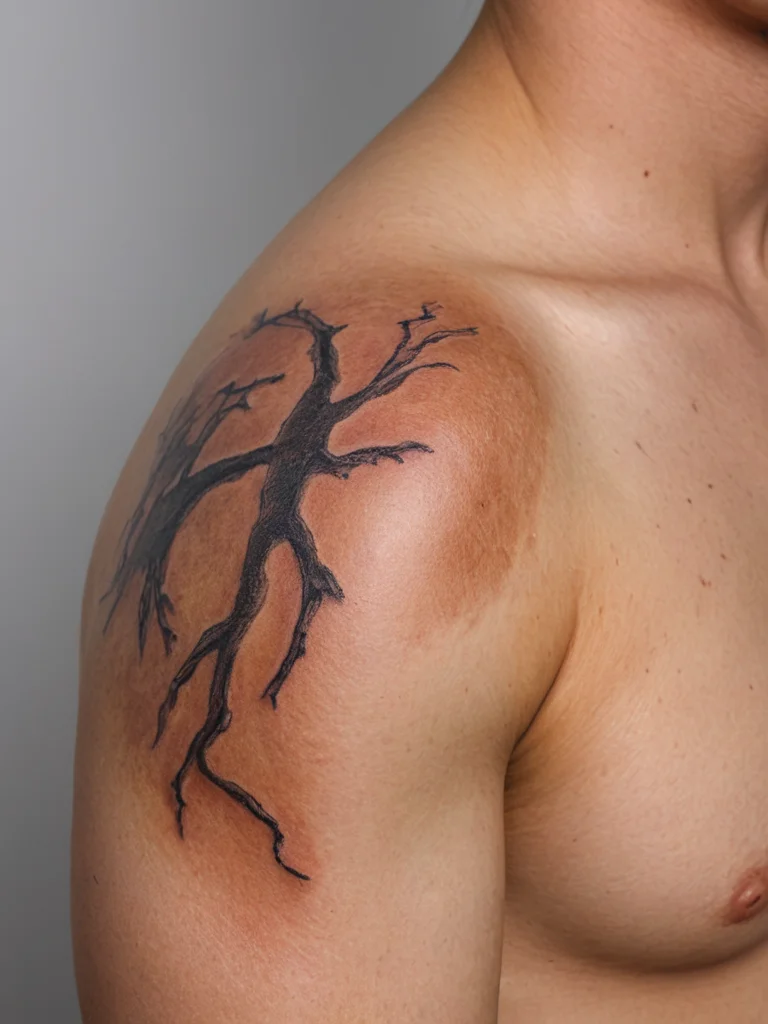
The allure of a new tattoo is undeniable, a permanent piece of art etched onto your skin, a symbol of personal expression, or a cherished memory captured in ink. However, alongside the excitement, a nagging worry often surfaces: the risk of infection. You might have heard horror stories, seen alarming images online, or simply be concerned about the potential complications. This article aims to address these concerns head-on, separating fact from fiction and providing you with the knowledge to navigate the process with confidence, particularly when dealing with professional tattoo studios.
It’s crucial to understand that while the risk of infection is real, it’s significantly lower in a reputable and licensed tattoo studio compared to unregulated environments. Professional studios adhere to strict hygiene and sterilization protocols designed to minimize the possibility of infection. We will explore these protocols in detail, equipping you with the knowledge to identify studios that prioritize your safety and well-being.
Furthermore, understanding the early signs of infection is paramount. Early detection and treatment can prevent minor issues from escalating into serious health problems. You’ll learn how to differentiate between normal healing symptoms and potential infection indicators, enabling you to take prompt action when necessary.
Finally, we’ll provide a comprehensive guide on minimizing your risk, outlining steps you can take before, during, and after getting a tattoo. This proactive approach empowers you to become an active participant in your own safety, ensuring a positive and healthy tattoo experience. Remember, a well-informed client is a studio’s best partner in maintaining a safe and hygienic environment. By understanding the risks and taking the necessary precautions, you can significantly reduce the likelihood of infection and enjoy your new tattoo with peace of mind.
Understanding the sterilization process in reputable tattoo shops: What to look for
Walking into a tattoo studio can be an overwhelming experience, especially if you’re new to the world of body art. However, beyond the impressive portfolios and vibrant artwork, the most crucial aspect to observe is the studio’s commitment to hygiene and sterilization. A reputable tattoo shop will prioritize your safety above all else, and this will be evident in their practices. Understanding the sterilization process is key to discerning a safe studio from a potentially risky one. Consider it your first line of defense against infection. Just as a doctor’s office would never reuse syringes, a tattoo studio should never reuse needles or other instruments that come into contact with blood.
One of the most important tools in a tattoo studio’s arsenal is the autoclave. This medical-grade device uses high-pressure steam to sterilize equipment, effectively killing bacteria, viruses, and other microorganisms. You should be able to see the autoclave in the studio, and the staff should be able to explain how it’s used. Look for indicators that the autoclave is regularly tested to ensure its effectiveness. Some studios may even have documentation readily available, such as spore test results, confirming that the autoclave is functioning correctly. Don’t hesitate to ask about their sterilization procedures; a reputable artist will be happy to explain them in detail. If a studio hesitates or seems vague about their sterilization practices, that’s a significant red flag.
Beyond the autoclave, single-use, disposable equipment is essential. Needles, tubes, gloves, ink caps, razors, and stencils should all be individually packaged and opened in front of you, the client. This eliminates the risk of cross-contamination between clients. Watch carefully as your artist prepares their station; they should be wearing gloves and using barrier film to cover surfaces that might be touched during the procedure, such as the tattoo machine, clip cords, and spray bottles. The barrier film acts as a protective layer, preventing fluids from contaminating the equipment. After your tattoo is complete, the artist should dispose of all used needles and other sharps in a designated sharps container, a puncture-proof container designed to safely discard contaminated materials. This prevents accidental needle sticks and further reduces the risk of infection.
Observe the overall cleanliness of the studio. Is the floor clean? Are surfaces wiped down regularly? Is there a designated hand-washing station with soap and disposable paper towels? A clean and organized studio is a good indicator that the staff takes hygiene seriously. Consider it like a restaurant kitchen – you might not see everything that happens behind the scenes, but the cleanliness of the dining area often reflects the standards of the kitchen. A professional tattoo studio will also have proper ventilation to minimize the spread of airborne particles. Good ventilation is essential for maintaining a healthy environment for both the artist and the client.
Finally, don’t be afraid to ask questions. A reputable tattoo artist will be happy to answer your questions about their sterilization practices and address any concerns you may have. They understand that you’re entrusting them with your health and well-being, and they should be willing to provide you with the information you need to feel comfortable and confident. Remember, your safety is paramount, and a good tattoo artist will always prioritize it. If you have any doubts or concerns, don’t hesitate to choose a different studio. Your health is worth the extra effort.
Early signs of a tattoo infection: How to identify and treat problems quickly
Getting a new tattoo is essentially creating a controlled wound on your skin. As such, some redness, swelling, and tenderness are normal during the initial healing process. However, knowing the difference between normal healing symptoms and the early signs of infection is crucial for preventing complications. You need to be vigilant and attentive to your body in the days and weeks following your tattoo appointment. Just as you would monitor a cut or scrape for signs of infection, you should carefully observe your new tattoo.
One of the first things to watch out for is excessive redness or swelling. While some redness and swelling are expected in the first few days, if it starts to spread beyond the tattooed area or becomes increasingly intense, it could be a sign of infection. Similarly, persistent or worsening pain is another red flag. While your tattoo will likely be tender to the touch initially, the pain should gradually subside over time. If the pain intensifies or becomes throbbing, it’s important to seek medical attention. Think of it like a sprained ankle; some initial pain is normal, but if it gets worse, it’s time to see a doctor.
Discharge is another important indicator of potential infection. A small amount of clear fluid (serum) is normal during the first few days as your body works to heal the wound. However, if you notice thick, cloudy, or yellowish-green pus oozing from the tattoo, it’s a clear sign of infection. Pus indicates the presence of bacteria and should be addressed immediately. Furthermore, pay attention to any unusual odors emanating from the tattoo. A foul smell is often associated with infection and should not be ignored.
Fever and chills are systemic symptoms that can indicate a more serious infection. If you experience these symptoms in conjunction with any of the local signs of infection mentioned above, it’s important to seek medical attention immediately. Fever and chills suggest that the infection has spread beyond the tattoo site and is affecting your overall health. Think of it like a warning light on your car’s dashboard; it’s telling you that something is seriously wrong and needs immediate attention.
In some cases, a tattoo infection can lead to the formation of granulomas, small bumps or nodules that form around the tattoo ink. These granulomas are a sign that your body is reacting to the ink and trying to wall it off. While not always a sign of infection, they can sometimes become infected themselves. Similarly, allergic reactions to the tattoo ink can also mimic the symptoms of infection. If you develop a rash, itching, or hives around the tattoo, it could be a sign of an allergic reaction. If you suspect an allergic reaction, consult with your doctor or a dermatologist.
If you suspect that your tattoo is infected, it’s important to take action quickly. First, gently wash the tattoo with antibacterial soap and water. Pat it dry with a clean paper towel and apply a thin layer of antibiotic ointment. Keep the tattoo clean and dry, and avoid wearing tight clothing that could rub against it. Monitor the tattoo closely for any changes or worsening symptoms. If the symptoms don’t improve within a few days or if they get worse, seek medical attention from a doctor or dermatologist. They can properly diagnose the infection and prescribe appropriate treatment, such as antibiotics. Remember, early intervention is key to preventing serious complications and ensuring a healthy healing process.
Minimizing your risk: 7 steps to take before, during, and after getting a tattoo
While choosing a reputable tattoo studio is paramount, you also play a crucial role in minimizing your risk of infection. Your actions before, during, and after getting a tattoo can significantly impact the healing process and your overall health. Think of it as a partnership between you and your artist, both working together to ensure a safe and successful outcome. You are essentially preparing your body, cooperating during the procedure, and nurturing the new artwork to full health.
Before getting tattooed:
- Do your research: Thoroughly research tattoo studios in your area. Read online reviews, check their licensing and certifications, and visit the studio in person to assess their hygiene practices. Don’t be afraid to ask questions about their sterilization procedures and the artist’s experience. Word-of-mouth referrals from trusted friends can also be invaluable.
- Choose your artist wisely: Look at the artist’s portfolio and make sure you like their style. Discuss your design ideas with them and ensure they understand your vision. A good artist will be willing to offer advice and guidance, ensuring that your tattoo is not only aesthetically pleasing but also technically sound. Consider their experience level and specialization. Some artists excel in certain styles, such as realism or traditional, so choose an artist whose expertise aligns with your desired design.
- Prepare your skin: Avoid sunbathing or tanning in the weeks leading up to your appointment. Sunburned or damaged skin is more susceptible to infection. Stay hydrated by drinking plenty of water, and moisturize your skin regularly. Healthy, hydrated skin will heal better and be less prone to complications. Exfoliate the area to be tattooed a few days beforehand to remove dead skin cells. However, avoid exfoliating too close to the appointment to prevent irritation.
During the tattoo process:
- Be observant: Pay attention to the artist’s hygiene practices. Ensure they wash their hands thoroughly and wear fresh gloves. Watch as they set up their station and use single-use, disposable equipment. Don’t hesitate to speak up if you have any concerns. Your comfort and safety are paramount. If you see something that doesn’t seem right, don’t be afraid to ask questions or even stop the procedure.
- Communicate with your artist: Let your artist know if you’re feeling any discomfort or pain. They can adjust their technique or take breaks as needed. Open communication is essential for a positive experience. If you have any allergies or medical conditions, inform your artist before the procedure. This will help them choose appropriate inks and aftercare products.
After getting tattooed:
- Follow aftercare instructions diligently: Your artist will provide you with specific aftercare instructions. Follow these instructions carefully to ensure proper healing. These instructions typically involve washing the tattoo gently with antibacterial soap and water, applying a thin layer of aftercare ointment, and keeping the tattoo covered with a bandage or plastic wrap for a specified period.
- Maintain good hygiene: Wash your hands thoroughly before touching your tattoo. Avoid touching the tattoo unnecessarily. Keep the tattoo clean and dry, and avoid exposing it to direct sunlight or soaking it in water for extended periods. Avoid swimming in pools, hot tubs, or other bodies of water until the tattoo is fully healed.
By following these seven steps, you can significantly reduce your risk of infection and ensure a healthy and beautiful tattoo. Remember, your active participation in the process is crucial. A well-informed and proactive client is a studio’s best partner in maintaining a safe and hygienic environment.
When to seek medical attention: Distinguishing a normal tattoo from a serious infection
As we’ve discussed, some redness, swelling, and tenderness are normal during the initial healing phase of a new tattoo. However, it’s crucial to know when these symptoms cross the line and warrant medical attention. Distinguishing between normal healing and a serious infection can be challenging, but being aware of the key warning signs is essential for protecting your health. Think of it like learning the difference between a common cold and the flu; both can cause similar symptoms, but the flu requires more aggressive treatment.
If you experience any of the following symptoms, it’s important to seek medical attention promptly:
- Spreading redness or swelling: While some initial redness and swelling are normal, if it starts to spread beyond the tattooed area or becomes increasingly intense, it could be a sign of infection. This indicates that the infection is spreading beyond the immediate wound site.
- Persistent or worsening pain: While your tattoo will likely be tender to the touch initially, the pain should gradually subside over time. If the pain intensifies or becomes throbbing, it’s important to seek medical attention. Worsening pain suggests that the infection is becoming more severe.
- Thick, cloudy, or yellowish-green pus: As mentioned earlier, pus is a clear sign of infection. The presence of pus indicates that bacteria are actively multiplying in the wound.
- Foul odor: An unusual or foul smell emanating from the tattoo is often associated with infection and should not be ignored. This odor is typically caused by the breakdown of tissue by bacteria.
- Fever or chills: These systemic symptoms indicate that the infection has spread beyond the tattoo site and is affecting your overall health. Fever and chills are a sign that your body is fighting off a serious infection.
- Red streaks radiating from the tattoo: This is a serious sign of a blood infection (septicemia) and requires immediate medical attention. Red streaks indicate that the infection is spreading through your bloodstream.
- Swollen lymph nodes: Swollen lymph nodes near the tattoo site can indicate that your body is fighting off an infection. Lymph nodes are part of your immune system and can become swollen when they’re working to filter out harmful substances.
In addition to these symptoms, it’s also important to consider the overall appearance of the tattoo. If you notice any unusual changes, such as blistering, scabbing that is thick and yellowish, or skin discoloration, it’s best to err on the side of caution and seek medical advice. Remember, it’s always better to be safe than sorry when it comes to your health.
When you see a doctor, be sure to tell them that you recently got a tattoo and describe your symptoms in detail. This will help them accurately diagnose the problem and prescribe the appropriate treatment. The doctor may take a culture of the wound to identify the specific bacteria causing the infection. This will help them choose the most effective antibiotic. Treatment for a tattoo infection typically involves antibiotics, either oral or intravenous, depending on the severity of the infection. In some cases, the doctor may also need to drain the pus from the wound.
It’s also important to continue following your aftercare instructions while you’re being treated for the infection. Keep the tattoo clean and dry, and avoid picking at any scabs or blisters. Follow the doctor’s instructions carefully and take all medications as prescribed. With proper medical care and diligent aftercare, most tattoo infections can be successfully treated. However, it’s crucial to seek medical attention promptly to prevent serious complications, such as scarring, permanent skin damage, or even systemic infection.