Getting a new tattoo is an exciting experience, but the healing process can sometimes be a bit unnerving. One common concern that many people encounter is the formation of what’s often called an ‘ink sack.’ This refers to a localized swelling or bubble-like appearance around the tattooed area, filled with fluid that may or may not be heavily pigmented. Understanding what it is, why it happens, and how to properly care for it is crucial for a smooth and healthy tattoo healing journey. Many first-timers are naturally concerned that this might be a sign of infection or a botched tattoo, and the aim of this article is to alleviate those concerns while providing practical advice on what to do.
Introduction: Defining ‘ink sack’ and addressing initial concerns about tattoo healing
The term ‘ink sack,’ while not a formal medical term, is widely used in the tattoo community to describe a build-up of fluid under the skin near a new tattoo. This fluid can be serous fluid (a clear or yellowish fluid), lymph fluid (part of your immune system’s response), blood plasma, or even a mixture of these, often tinged with ink that leaches out during the initial healing stages. The appearance can vary; sometimes it presents as small, localized bumps, while other times it can form a larger, more noticeable pocket under the skin. It’s important to note that a minor amount of fluid accumulation is often a normal part of the healing process, as your body works to repair the damaged tissue. However, the key is to be able to differentiate between normal healing and potential complications, like infection or excessive fluid build-up.
For those new to the world of tattoos, seeing this ‘ink sack’ can be alarming. Thoughts like ‘Did the artist go too deep?’, ‘Is my tattoo infected?’, or ‘Will this ruin my design?’ may race through your mind. These concerns are valid, and addressing them proactively is essential for your peace of mind and the health of your tattoo. The good news is that in many cases, an ‘ink sack’ is merely a temporary side effect of your body’s natural healing mechanisms. This article will equip you with the knowledge to assess the situation, manage it appropriately, and know when it’s time to seek professional medical advice.
It is crucial to take preventative measures from the moment you leave the tattoo studio. Always follow the aftercare instructions provided by your tattoo artist meticulously. This includes keeping the area clean, moisturized (but not overly so), and protected from excessive friction or irritation. The quality of the aftercare directly impacts the healing process and can minimize the likelihood of excessive fluid build-up. Think of it like tending a wound – proper care early on prevents complications later. Tattoo artists are often the best source of information regarding healing; remember to ask them any specific questions you might have about aftercare at the end of your appointment.
Ultimately, understanding the distinction between normal healing and potential problems associated with ‘ink sacks’ will empower you to take control of your tattoo’s healing process. By staying informed, observant, and proactive, you can navigate this stage with confidence and ensure a beautiful, healthy tattoo for years to come.
What causes an ‘ink sack’?: The science behind tattoo healing and fluid buildup
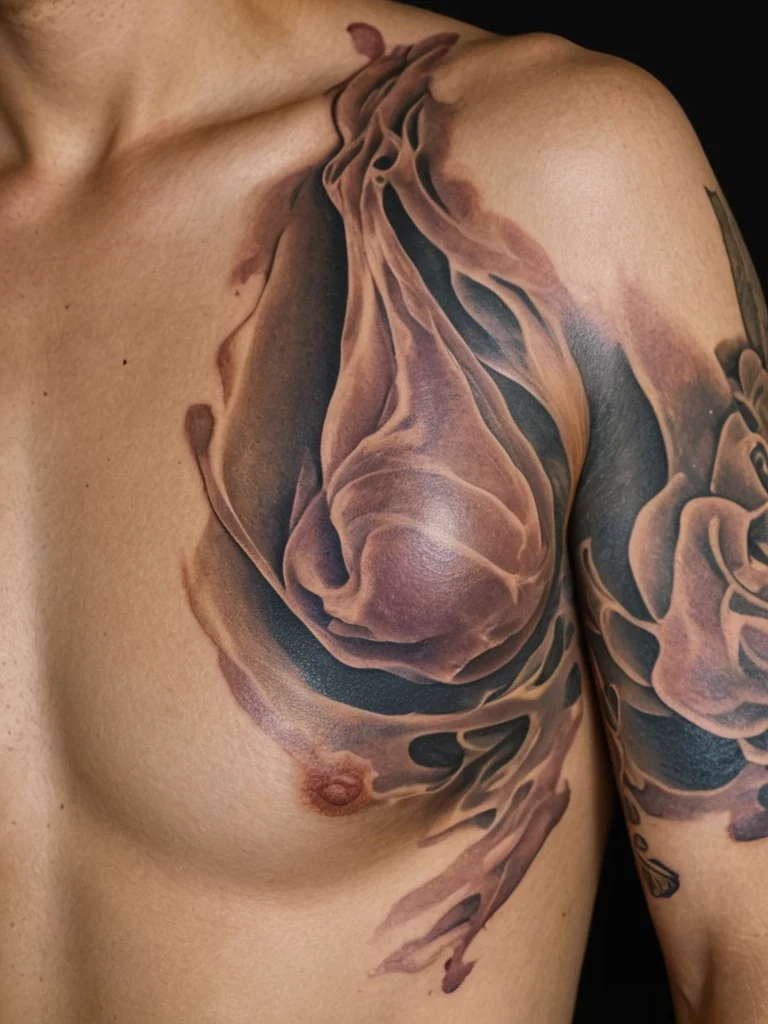
To understand why ‘ink sacks’ form, it’s helpful to understand the basics of the tattooing process and the body’s natural response to it. A tattoo, essentially, is a controlled injury to the skin. The tattoo machine uses needles to repeatedly puncture the skin, depositing ink into the dermis layer, which is located beneath the epidermis (the outer layer of skin). This process triggers a cascade of physiological responses aimed at repairing the damage and preventing infection.
The initial response is inflammation. Blood vessels dilate to increase blood flow to the area, bringing in immune cells and other healing factors. This increased blood flow can contribute to swelling and redness around the tattoo. Additionally, the damaged cells release inflammatory mediators, such as histamine, which further promote fluid leakage from blood vessels into the surrounding tissue. This fluid, composed of serum, plasma, and lymph, accumulates beneath the skin, leading to the formation of a visible ‘ink sack’.
Lymph fluid plays a crucial role in the healing process. It helps to remove waste products and debris from the injured tissue, carrying them back to the lymph nodes for processing. The lymph nodes act as filters, trapping bacteria and other pathogens to prevent them from spreading throughout the body. In the context of a new tattoo, the increased lymphatic drainage can contribute to the fluid build-up that characterizes an ‘ink sack’. Think of the lymphatic system as a network of drains that clear away the debris after a construction project. When there’s a lot of construction (tattooing), the drains work harder and the fluid volume increases.
Another factor contributing to ‘ink sack’ formation is the ink itself. Although tattoo inks are generally considered safe, some pigments can cause a localized inflammatory response in some individuals. The body may perceive the ink particles as foreign substances and trigger an immune reaction to try to clear them away. This reaction can further contribute to fluid leakage and swelling. The composition of the ink, the depth of ink placement, and individual sensitivity all play a role in this response.
Furthermore, the tattoo process disrupts the normal barrier function of the skin. The multiple punctures create pathways for fluid to escape from the deeper layers of the skin. The body responds by producing a scab, which is a protective barrier made of dried blood, serum, and cellular debris. However, before the scab forms completely, some fluid can leak out and accumulate beneath the skin. Proper aftercare, such as keeping the area clean and moisturized, helps to minimize fluid loss and promote scab formation.
The size and location of the tattoo can also influence the likelihood of developing an ‘ink sack.’ Larger tattoos, especially those covering areas with more subcutaneous tissue or areas prone to swelling (like ankles or wrists), are more likely to experience fluid build-up. The amount of trauma to the skin is directly proportional to the size of the tattoo, and more trauma translates to a greater inflammatory response and more fluid accumulation.
In summary, the formation of an ‘ink sack’ is a complex process involving inflammation, lymphatic drainage, ink-related reactions, and disruption of the skin barrier. Understanding these underlying mechanisms can help you appreciate that a certain amount of fluid accumulation is a normal part of tattoo healing and does not necessarily indicate a problem. However, it’s crucial to distinguish between normal fluid build-up and signs of infection, which will be discussed in the next section.
Distinguishing normal fluid from infection: A visual guide and warning signs
One of the most crucial skills for anyone with a new tattoo is the ability to differentiate between normal fluid accumulation and signs of infection. While some fluid is expected during healing, certain visual cues and symptoms can indicate a more serious problem that requires medical attention. Recognizing these warning signs early can prevent complications and ensure the longevity of your tattoo.
Normal Fluid vs. Infected Fluid: A Visual Comparison
- Color: Normal fluid is typically clear or yellowish (straw-colored). It may also have a slightly milky appearance. Infected fluid, on the other hand, is often cloudy, greenish, or yellowish-brown. It may also contain pus, which is a thick, opaque fluid composed of dead cells and bacteria. Think of normal fluid as the color of diluted lemonade, while infected fluid looks more like pea soup.
- Odor: Normal fluid generally has no odor or a very faint, slightly metallic smell. Infected fluid often has a strong, foul, or putrid odor. This smell is a telltale sign of bacterial growth and should not be ignored.
- Texture: Normal fluid is usually thin and watery. Infected fluid may be thick, sticky, or viscous. It might also be accompanied by crusting or scabbing that is excessive or unusual.
- Surrounding Skin: In normal healing, the skin around the tattoo may be slightly red and warm to the touch. However, the redness should be localized and gradually subside over time. In an infection, the redness is often more pronounced, spreading rapidly, and accompanied by increased warmth, swelling, and tenderness. The redness may also appear as streaks extending away from the tattoo.
Other Warning Signs of Infection
- Pain: While some discomfort is expected during tattoo healing, severe or worsening pain is a red flag. If the pain is disproportionate to the size of the tattoo or persists despite pain relievers, it could indicate an infection.
- Fever and Chills: Systemic symptoms, such as fever, chills, body aches, and fatigue, are signs that the infection has spread beyond the localized area and is affecting the entire body. These symptoms require immediate medical attention.
- Swollen Lymph Nodes: As mentioned earlier, the lymph nodes filter out bacteria and other pathogens. If the lymph nodes near the tattoo (e.g., in the armpit for an arm tattoo, or in the groin for a leg tattoo) become swollen, tender, and enlarged, it indicates that they are working hard to fight off an infection.
- Red Streaks: Red streaks radiating from the tattoo are a serious sign of spreading infection (lymphangitis). This requires immediate medical attention as it can quickly become life-threatening.
- Delayed Healing: While healing times vary depending on individual factors, a tattoo that shows no signs of improvement after several days or weeks may be infected. Be particularly wary of tattoos that initially seemed to be healing well but then suddenly worsen.
Visual Guide Examples
- Normal Healing: The tattoo has a thin, clear fluid weeping from it. The surrounding skin is slightly red but not excessively swollen or tender. There is no foul odor, and the pain is minimal.
- Mild Infection: The tattoo has cloudy, yellowish fluid. The surrounding skin is red, warm, and slightly swollen. There is a mild odor, and the pain is moderate.
- Severe Infection: The tattoo has thick, greenish pus. The surrounding skin is intensely red, swollen, and extremely tender. There is a strong, foul odor, and the pain is severe. The person also has a fever and swollen lymph nodes.
Remember: If you are unsure whether your tattoo is infected, it’s always best to err on the side of caution and consult with a doctor or a qualified tattoo artist. They can properly assess the situation and recommend appropriate treatment.
It is also important to consider that allergic reactions to tattoo ink can mimic some of the symptoms of infection. Allergic reactions are often characterized by intense itching, raised bumps or blisters, and localized swelling. However, unlike infections, allergic reactions are typically not accompanied by fever, chills, or pus. If you suspect an allergic reaction, consult with a dermatologist or allergist.
In conclusion, closely monitoring your new tattoo for any signs of infection is crucial for a successful healing process. Pay attention to the color, odor, and texture of the fluid, as well as the condition of the surrounding skin. If you notice any warning signs, seek professional medical attention promptly. Early intervention can prevent serious complications and ensure that your tattoo heals properly.
Ink sack treatment: Step-by-step guide to safely caring for a fluid-filled tattoo
If you’ve determined that the fluid build-up around your tattoo is likely a normal ‘ink sack’ and not a sign of infection, you can take steps to manage it and promote healthy healing. Here’s a step-by-step guide to safely caring for a fluid-filled tattoo:
1. Wash Your Hands Thoroughly: Before touching your tattoo, always wash your hands thoroughly with antibacterial soap and warm water. This is the most important step in preventing infection. Think of your hands as potential carriers of bacteria, and washing them is like putting on a pair of sterile gloves.
2. Gently Clean the Tattoo: Use a mild, fragrance-free antibacterial soap to gently cleanse the tattoo area. Avoid harsh soaps, alcohol-based cleansers, or products containing perfumes, as these can irritate the skin and delay healing. Use your fingertips to create a gentle lather and carefully wash away any dried blood, plasma, or ink. Rinse thoroughly with lukewarm water.
3. Pat Dry with a Clean Paper Towel: Avoid using a regular towel to dry your tattoo, as it can harbor bacteria and lint. Instead, gently pat the area dry with a clean paper towel. Do not rub, as this can irritate the skin and disrupt the healing process. Think of patting as gently blotting away the moisture, rather than scrubbing it off.
4. Apply a Thin Layer of Tattoo Aftercare Ointment or Lotion: Once the tattoo is completely dry, apply a thin layer of a tattoo aftercare ointment or lotion. Popular options include Aquaphor, Tattoo Goo, or specially formulated tattoo balms. The key is to apply a very thin layer – just enough to keep the skin moisturized but not suffocated. Too much ointment can trap moisture and create a breeding ground for bacteria. Imagine spreading butter on toast – you want a thin, even layer, not a thick glob.
5. Leave the Tattoo Uncovered (If Possible): Unless otherwise instructed by your tattoo artist, it’s generally best to leave the tattoo uncovered to allow it to air out and breathe. This helps to prevent moisture build-up and promotes faster healing. If you need to cover the tattoo for protection (e.g., if you’re going to be exposed to dirt or friction), use a loose-fitting, breathable bandage or clothing made of natural fibers like cotton.
6. Avoid Picking or Scratching: As tempting as it may be, resist the urge to pick at scabs or scratch the tattoo. Picking can remove ink, delay healing, and increase the risk of infection. Scratching can introduce bacteria into the wound and cause inflammation. Imagine your tattoo as a delicate flower – you wouldn’t want to pull off its petals or poke at it, so treat your skin with the same gentleness.
7. Elevate the Tattooed Area (If Possible): If the ‘ink sack’ is particularly large or uncomfortable, elevating the tattooed area can help to reduce swelling and fluid build-up. For example, if you have a tattoo on your leg, try to keep your leg elevated above your heart as much as possible. This promotes venous drainage and reduces fluid accumulation in the affected area. It is similar to how elevating a sprained ankle helps to reduce swelling.
8. Cool Compress (Use with Caution): In some cases, a cool compress can help to reduce swelling and inflammation. Wrap a clean ice pack or a bag of frozen vegetables in a thin towel and apply it to the tattoo for 10-15 minutes at a time. Be careful not to apply the ice directly to the skin, as this can cause frostbite. However, be mindful that prolonged cooling can impede blood flow, which is important for healing, so use this method sparingly.
9. Monitor for Changes: Keep a close eye on your tattoo for any signs of infection, such as increased redness, swelling, pain, pus, or fever. If you notice any of these symptoms, seek medical attention immediately.
10. Maintain a Healthy Lifestyle: A healthy lifestyle can support the healing process. Get enough sleep, eat a balanced diet, and stay hydrated. Avoid smoking and excessive alcohol consumption, as these can impair healing. A strong immune system is better equipped to fight off infection and promote tissue repair.
Important Considerations:
- Do not try to pop the ‘ink sack’: Popping the ‘ink sack’ can introduce bacteria into the wound and increase the risk of infection. It can also damage the tattoo and cause scarring.
- Do not use harsh chemicals or abrasives: Avoid using harsh chemicals, such as bleach or hydrogen peroxide, on your tattoo. These can damage the skin and delay healing.
- Consult your tattoo artist: If you have any concerns about your tattoo, don’t hesitate to contact your tattoo artist. They are experienced in tattoo aftercare and can provide valuable advice.
By following these steps, you can effectively manage a fluid-filled tattoo and promote healthy healing. Remember to be patient and consistent with your aftercare routine. With proper care, your tattoo will heal beautifully and last for years to come.
When to seek professional help: Identifying serious complications and consulting a doctor or tattoo artist
While many ‘ink sacks’ are a normal part of the tattoo healing process and can be managed with proper aftercare, it’s crucial to recognize when the situation warrants professional medical attention. Knowing when to consult a doctor or your tattoo artist can prevent serious complications and ensure the long-term health of your tattoo.
Signs That You Should Seek Professional Help:
- Signs of Infection: As discussed earlier, any signs of infection, such as increased redness, swelling, pain, pus, foul odor, fever, chills, or swollen lymph nodes, require immediate medical attention. Infections can spread rapidly and cause serious health problems if left untreated.
- Allergic Reaction: If you suspect an allergic reaction to the tattoo ink, consult with a dermatologist or allergist. Allergic reactions can cause intense itching, raised bumps or blisters, and localized swelling. In severe cases, they can lead to anaphylaxis, a life-threatening allergic reaction.
- Excessive Bleeding: While some minor bleeding is normal after getting a tattoo, excessive or prolonged bleeding is not. If your tattoo is bleeding heavily or continues to bleed for more than a few hours, seek medical attention.
- Severe Pain: While some discomfort is expected during tattoo healing, severe or worsening pain is a red flag. If the pain is disproportionate to the size of the tattoo or persists despite pain relievers, it could indicate a serious problem.
- Skin Ulceration or Necrosis: If the skin around your tattoo starts to break down, forming ulcers or black, dead tissue (necrosis), this is a sign of a severe infection or other serious complication. Seek medical attention immediately.
- Spreading Redness or Streaking: Red streaks radiating from the tattoo are a sign of spreading infection (lymphangitis). This requires immediate medical attention.
- Unusual Bumps or Growths: If you notice any unusual bumps or growths forming on or around your tattoo, consult with a dermatologist. These could be signs of a skin condition or even skin cancer.
- Concerns About the Tattoo’s Appearance: If you are concerned about the way your tattoo is healing or the appearance of the design, don’t hesitate to contact your tattoo artist. They can assess the situation and provide guidance on whether further treatment is necessary.
- If You Are Unsure: If you are unsure whether your tattoo is healing properly, it’s always best to err on the side of caution and consult with a doctor or a qualified tattoo artist.
Who to Consult: Doctor vs. Tattoo Artist
- Doctor: A doctor is the appropriate professional to consult for any signs of infection, allergic reaction, excessive bleeding, severe pain, skin ulceration, or systemic symptoms (fever, chills). They can diagnose the problem and prescribe appropriate treatment, such as antibiotics or antihistamines.
- Tattoo Artist: Your tattoo artist is a valuable resource for questions about the tattoo’s appearance, healing process, or aftercare routine. They can assess the tattoo and provide guidance on whether further treatment is necessary. However, they are not medical professionals and should not be relied upon for diagnosing or treating medical conditions.
Preparing for Your Consultation:
- Document Your Symptoms: Before your consultation, write down a list of your symptoms, including when they started, how severe they are, and what you have tried to alleviate them.
- Take Photos: Take photos of your tattoo to document its appearance over time. This can help the doctor or tattoo artist assess the problem and track your progress.
- Bring Your Aftercare Products: Bring the aftercare products you have been using to your consultation. This will help the doctor or tattoo artist determine if any of the products may be contributing to the problem.
- Be Honest and Open: Be honest and open with your doctor or tattoo artist about your medical history, lifestyle, and aftercare routine. This will help them provide the best possible care.
Remember: Early intervention is key to preventing serious complications. Don’t hesitate to seek professional help if you have any concerns about your tattoo. Your health and the longevity of your tattoo are worth it.
In conclusion, while a minor ‘ink sack’ is frequently a normal part of tattoo healing, it’s essential to be vigilant and recognize the warning signs that indicate a more serious issue. Promptly seeking guidance from either a medical professional or your tattoo artist can help prevent complications, ensuring a healthy and vibrant tattoo for years to come. Trust your instincts, and always prioritize your health and well-being.