The back is the largest, flattest, and most uninterrupted canvas on the human body. To dedicate this entire space to a single piece of art—a full back tattoo—is perhaps the most significant commitment a person can make in their tattooing journey. It is a decision that moves beyond casual self-expression and into the realm of serious, monumental body modification. Before you commit years and a substantial investment to this epic undertaking, it is crucial to weigh the realities of the process against the unparalleled rewards.
The Allure of a Full Back Tattoo: Is It Right For You?
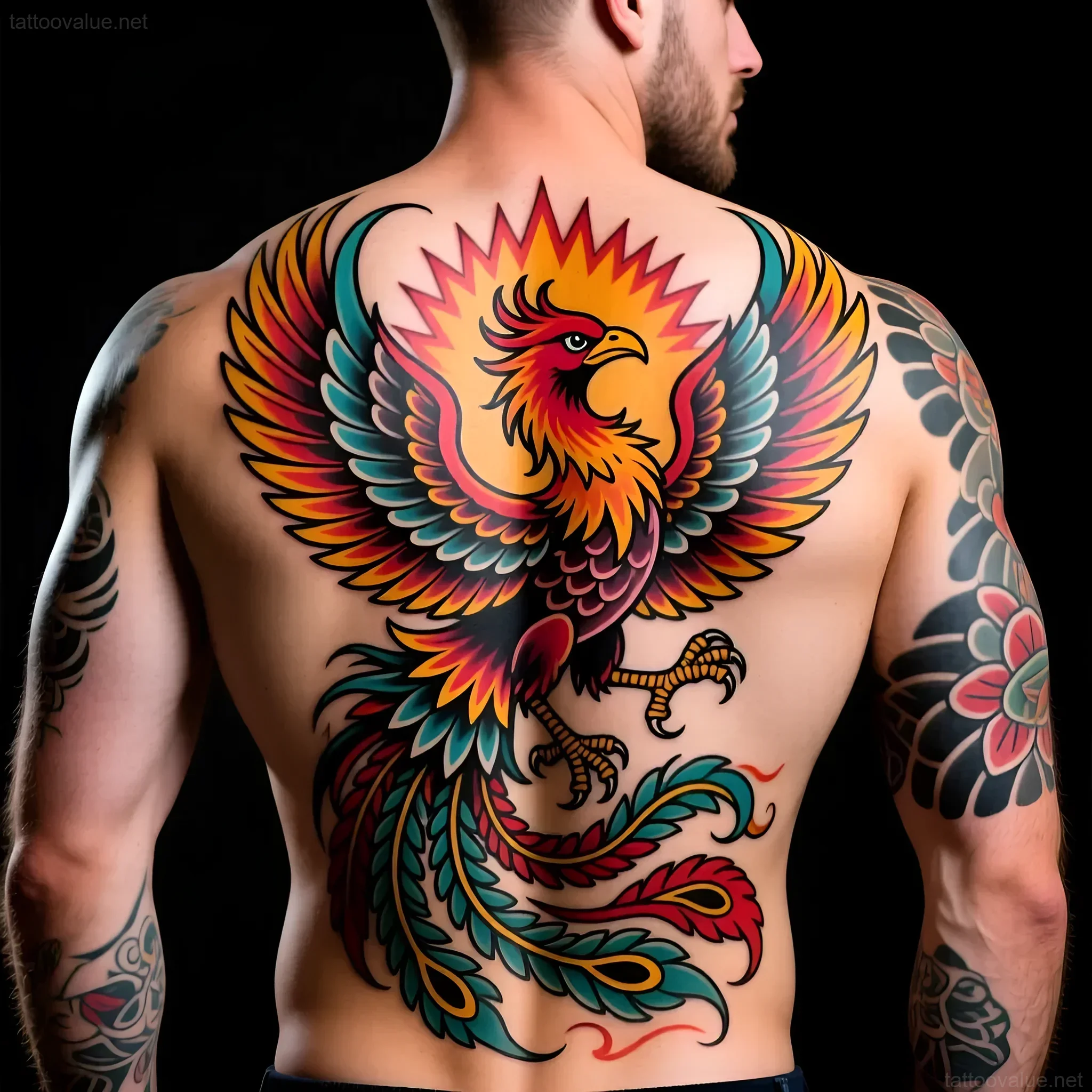
A full back piece is often referred to as the ‘billboard’ of tattooing. Unlike sleeves or chest pieces which are naturally segmented by muscle groups and joints, the back offers a unique opportunity for narrative flow and maximum visual impact. This is where artists can truly tell an epic story, utilizing the width and length to create complex, detailed worlds.
The decision to commit to such a large piece is rarely impulsive. It usually stems from a deep personal narrative, a significant life change, or a profound appreciation for monumental art. However, the allure must be balanced by practical self-assessment:
- Are you ready for the time commitment? This is not measured in days, but often in years.
- Is your financial situation stable? A high-quality full back piece represents the cost of a luxury car or a down payment on a small house.
- Do you trust your chosen artist implicitly? This relationship will span dozens of sessions and requires total faith in their vision and execution.
A Brief History of Back Tattoos: From Cultural Significance to Modern Art
The back has always been a strategic location for body art, often symbolizing protection, strength, and one’s connection to lineage or spiritual forces. Historically, the commitment required for a full back piece was intrinsically linked to the meaning it conveyed.
Irezumi and the Ultimate Commitment
Nowhere is the full back piece more culturally significant than in traditional Japanese Irezumi (Horimono). The hishikae (full body suit) almost always begins with the back, forming the core of the entire composition. These pieces—featuring dragons, koi, samurai, or deities—were historically markers of status, bravery, or, conversely, affiliation with the Yakuza. The sheer scale and the necessary endurance demonstrated unwavering dedication. For the Western enthusiast adopting this style, the back piece carries the weight of history and the demand for immaculate flow and deep symbolism.
Western Narrative Pieces
In Western tattooing, the back evolved into the space for grand narrative. Sailors often chose the back for large mythological scenes or patriotic symbols. In the transition to modern tattooing, the back became the preferred spot for large-scale realism, fantasy art, and complex geometric mandalas, allowing artists to treat the skin like a canvas in a gallery.
The Pros of Going All-In: Why People Choose Full Back Pieces
Choosing the back as your primary canvas offers undeniable advantages that smaller tattoos simply cannot replicate. These benefits often justify the immense investment of time and resources.
1. Uninterrupted Canvas and Narrative Depth
- Seamless Flow: The back lacks major joints or abrupt changes in muscle structure (unlike the knee or elbow). This allows for a composition that flows naturally from the neck down to the sacrum, creating a single, cohesive image that tells a complete story.
- Scale and Detail: You have the space to incorporate intricate elements—hundreds of scales on a dragon, complex architectural details, or multiple characters interacting within a scene—without the design feeling cluttered.
2. Anatomical Suitability and Impact
- The ‘Reveal’ Effect: A back piece is inherently private. It is easily covered in professional or formal settings, making the choice to reveal it a deliberate and powerful act. This privacy enhances the impact when it is displayed.
- Healing Advantages: While the process is long, the initial healing phase benefits from the back’s location. It is easier to keep clean, protected from minor bumps, and less exposed to daily friction (unlike a hand or foot tattoo).
3. Ultimate Artistic Expression
- Artist’s Dream: Many top artists actively seek clients willing to commit to full back pieces because it offers the ultimate showcase for their technical skill, shading ability, and compositional mastery. You are likely to receive the artist’s best work.
- A Single, Unified Statement: Instead of a collection of smaller, unrelated pieces (a patchwork sleeve), the full back piece guarantees that every element works together towards a single, overwhelming aesthetic goal.
The Cons to Consider: Pain, Cost, and Commitment
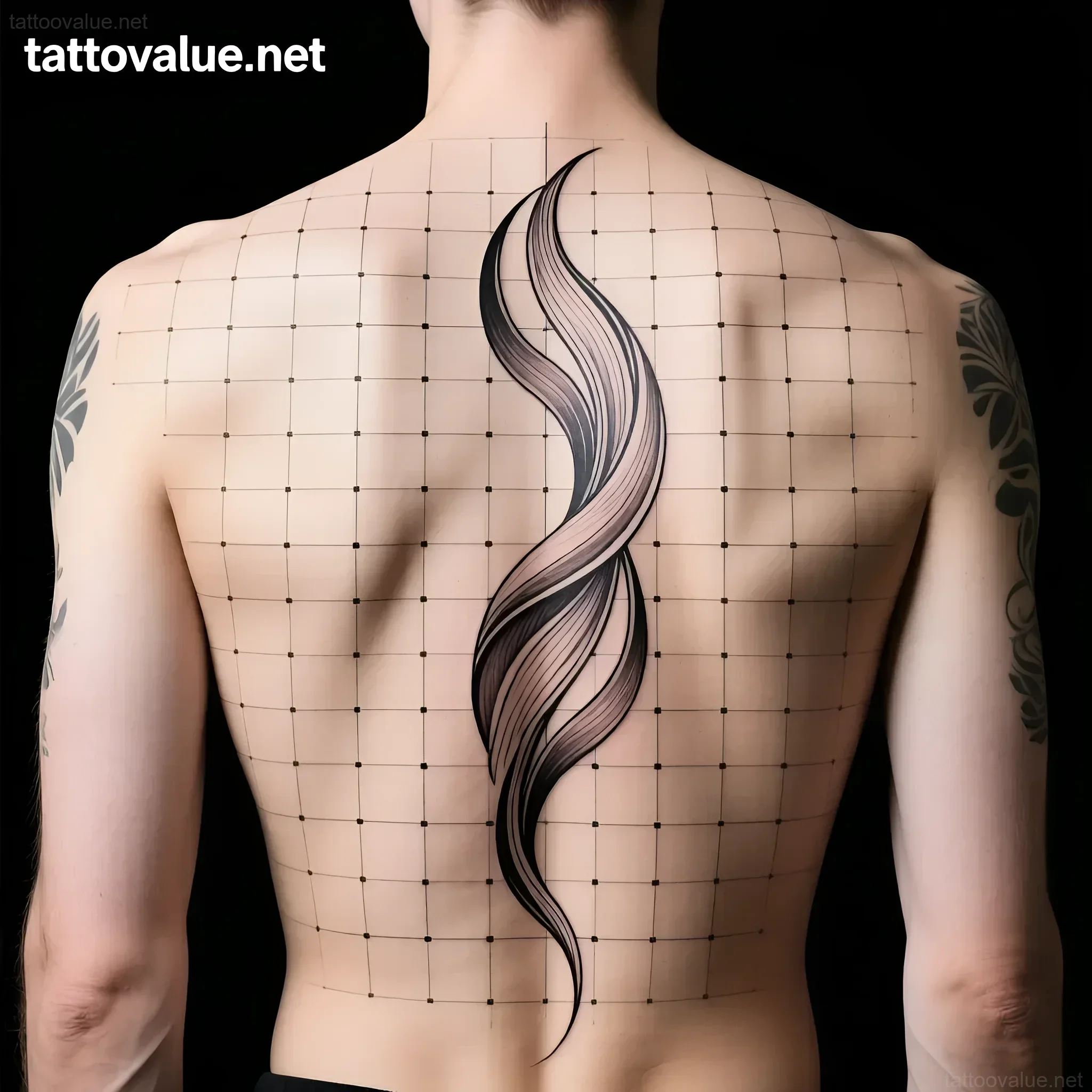
While the aesthetic payoff is incredible, the practical challenges associated with a full back piece are significant and must be approached with realism. This is where many aspiring clients underestimate the demands placed on their body, wallet, and schedule.
1. The Financial and Time Investment
- Exorbitant Cost: Depending on the complexity, style (realism, fine line, or dense blackwork), and the artist’s rate, a full back piece typically requires 80 to 150+ hours of work. Costs often range from $15,000 to $40,000 USD, or even higher for world-renowned artists.
- Long-Term Scheduling: Sessions must be spaced 4–8 weeks apart for proper healing. If you average one session every six weeks, an 80-hour piece will take roughly two years of consistent commitment. Delays due to travel, illness, or financial constraints can stretch this timeline significantly.
2. Pain and Physical Endurance
The back is generally robust, but it contains several intensely sensitive areas that must be traversed:
| Area | Pain Level & Challenge |
|---|---|
| Spine (Vertebrae) | High. The proximity to the nerve endings and the bone vibration make this one of the most difficult areas. Artists often use lighter pressure here, but the pain is sharp and persistent. |
| Rib Cage / Flanks | Very High. Thin skin over bone. Pain receptors are highly concentrated here. Endurance is often tested when working on the sides of the back. |
| Kidney Area (Lower Back) | Moderate to High. This area is sensitive due to organ proximity and nerve pathways. Sitting for hours with this area being worked on can be exhausting. |
| Shoulder Blades (Scapulae) | Moderate. While the muscle padding helps, the constant vibration over the bone and the movement required by the client (holding still) can cause muscle fatigue. |
3. Healing and Lifestyle Disruption
- Sleeping Difficulty: For the first week after a major session, sleeping comfortably is a challenge, as you must avoid lying directly on the fresh work. This often requires sleeping on your stomach or side, which can disrupt sleep patterns.
- Need for Assistance: Due to the sheer size, proper aftercare (washing, applying ointment) requires assistance, particularly for the middle and lower back. You must rely on a partner or friend for several days post-session.
- Physical Fatigue: Sitting or lying prone for 6–8 hours repeatedly takes a massive toll on the body. Session fatigue (the exhaustion that follows a major tattooing session) is amplified with back pieces.
Full Back Tattoo Styles: Finding the Perfect Aesthetic
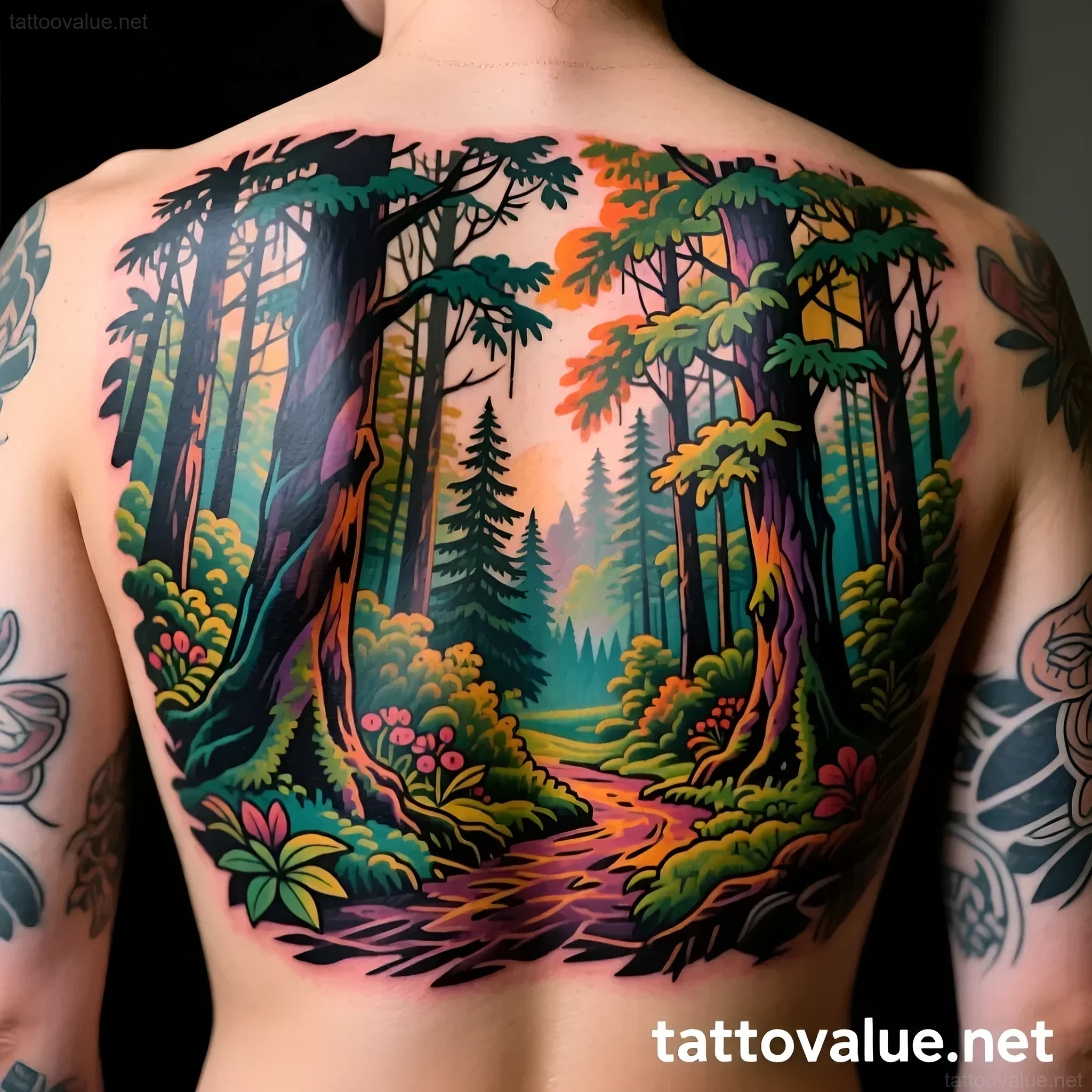
The chosen style dictates the complexity, time, and ultimate visual impact of your back piece. A full back offers the space necessary for styles that require vast negative space or extreme density.
1. Japanese (Irezumi/Neo-Irezumi)
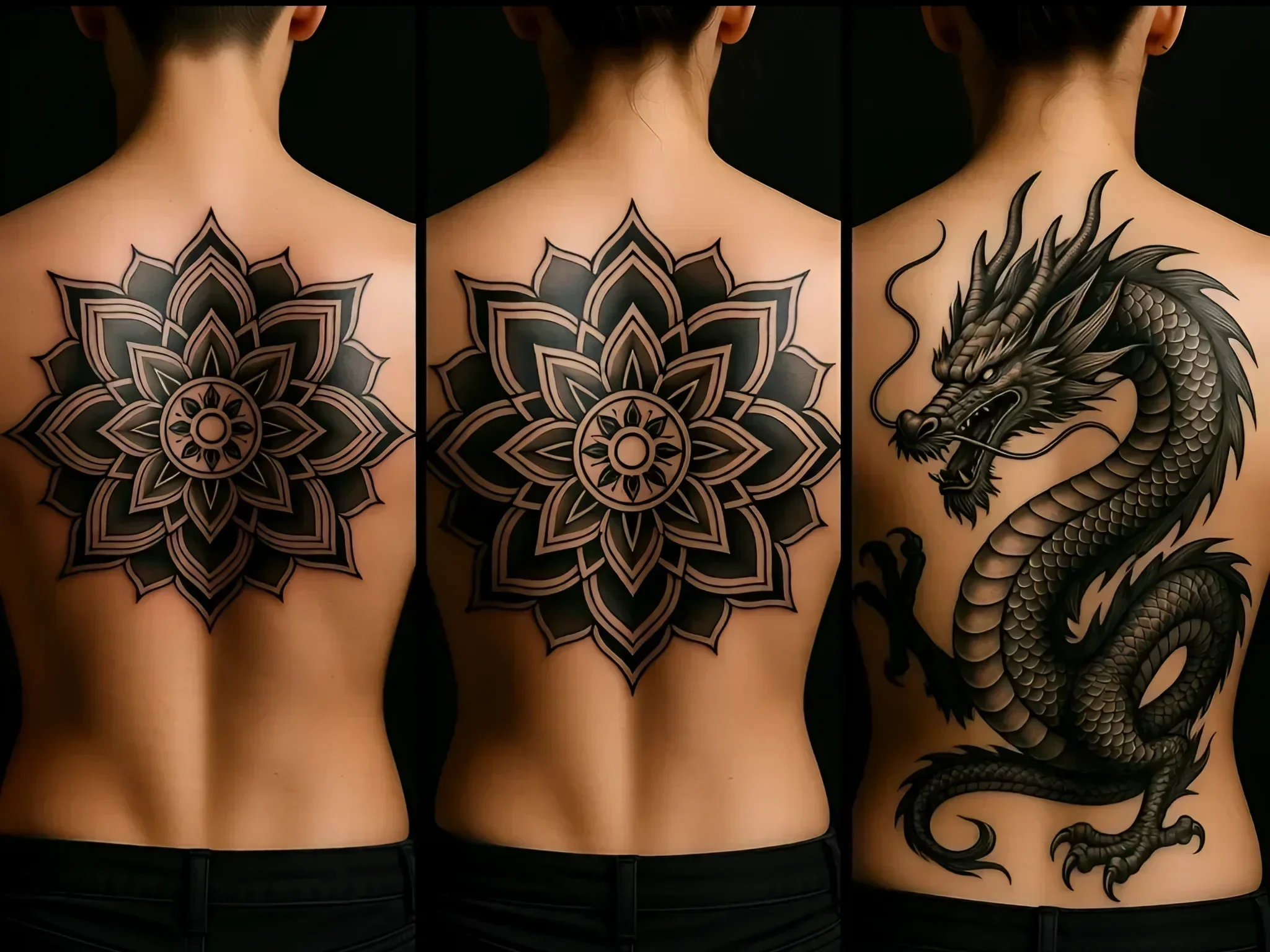
Why it works: This style was literally designed for the full back. It relies on vast areas of solid color or black shading (bokashi) set against the skin tone. Motifs like dragons, phoenixes, or fierce warriors are framed by traditional elements (wind, water, clouds) ensuring perfect flow and coverage across the entire canvas.
2. Black and Grey Realism
Why it works: The back is ideal for creating panoramic, highly detailed scenes—think Greek mythological battles, apocalyptic cityscapes, or enormous portraits. The large surface area allows the artist to achieve high levels of contrast and depth, making the piece appear three-dimensional.
3. Geometric and Dotwork
Why it works: Full back mandalas or geometric patterns require immense precision and scale. The symmetry of the back is perfect for anchoring a central, complex mandala that radiates outwards, often extending seamlessly into the upper arms or down the legs.
4. Biomechanical and Organic
Why it works: This style utilizes the natural musculature of the back. The lats, traps, and spinal column become the framework for machinery, bone, or organic texture. The full back allows the artist to map the design precisely to the body’s movement, making the piece look integrated and alive.
Placement & Design Considerations: Maximizing Your Back Canvas
A full back tattoo is not just one large drawing; it is a masterwork of anatomical placement. An expert artist will consider how the design interacts with the movement of the shoulders and the central line of the spine.
The Central Anchor Point
Every successful full back piece needs a strong anchor. This is typically the central image or figure placed directly over the spine, ensuring visual symmetry. For instance, a large deity, a skull, or the head of a mythological creature is often centered high up, drawing the eye immediately.
Working with the Scapulae (Shoulder Blades)
The scapulae are highly mobile bones. A crucial design decision is whether to treat them as part of the continuous canvas or as framing elements. Highly detailed realism often avoids placing primary focal points directly on the scapulae to prevent distortion when the shoulders move. Conversely, traditional Japanese designs often use the curvature of the shoulder blades to define the shoulders of a dragon or the wings of a phoenix, utilizing the movement.
Connecting the Upper and Lower Zones
The back naturally divides into the upper T-zone (trapezius and upper lats) and the lower lumbar/sacrum zone. A successful full back piece must bridge this gap seamlessly. Artists often use elements like cascading water, smoke, or flowing fabric (as seen in Irezumi) to maintain continuity and prevent the design from looking like two separate pieces stacked vertically.
Expert Tip on Symmetry: While perfect symmetry is powerful (especially for geometric work), slightly asymmetrical designs can often feel more dynamic and organic, following the natural slight curves of the human spine.
Aftercare & Maintenance: Keeping Your Back Piece Vibrant
The maintenance phase for a full back piece is complex, simply due to its vast area and the difficulty of reaching it. Neglecting aftercare on such a large investment is a costly mistake.
The Healing Phase: Practical Difficulties
- The Reach Test: You must accept that you cannot properly moisturize or clean the middle of your own back without assistance. Ensure you have reliable help available for the first 10-14 days.
- Clothing Selection: Avoid tight clothing, especially in the early stages, as friction can pull ink out or cause irritation. Loose, breathable cotton shirts are essential.
- Avoiding Contamination: Since the back is often pressed against furniture, car seats, and pillows, cleanliness is paramount. Changing bed sheets frequently and avoiding leaning against public surfaces are critical measures.
Long-Term Maintenance: UV Protection is Non-Negotiable
The back is highly susceptible to sun damage. When exposed—whether at the beach, pool, or even during yard work—it receives direct, intense UV radiation. Sun exposure is the single greatest threat to the longevity of a full back tattoo, causing fading, blurring, and loss of color saturation.
The Pro Protocol: Commitment to a full back piece means a lifelong commitment to high-SPF sunscreen (SPF 50+) whenever the back is exposed. If you frequently spend time shirtless in the sun, you must weigh this against the potential for rapid degradation of your art.
Popular Full Back Tattoo Variations & Inspiration
While the full back is a single category, the thematic variations are endless. Here are some of the most powerful and popular concepts that maximize the back’s potential, each carrying a unique symbolic weight:
1. The Cosmic Saga (Mythology and Religion)
These designs utilize the back to depict entire pantheons, battles between gods and demons, or the creation story. Because the back is hidden, these tattoos often represent the wearer’s inner spiritual architecture or personal struggle.
- Inspiration: Zeus vs. Titans, Shiva’s Dance of Destruction, the Norse Yggdrasil (World Tree) spanning the entire spine.
- Symbolism: Mastery over chaos, spiritual protection, acceptance of fate, or the cyclical nature of existence.
2. The Guardian Beast (Dragons, Tigers, and Phoenixes)
Large, powerful animals are staples of the full back, particularly in Eastern styles. They are often placed with their heads high on the shoulders, their bodies coiling down the spine, creating a sense of movement and defense.
- Inspiration: Traditional Japanese Ryu (Dragon) surrounded by storm clouds, a hyper-realistic Siberian Tiger stalking through bamboo, or a large, vibrant Phoenix rising from the lower back.
- Symbolism: Power, protection, rebirth (Phoenix), wisdom (Dragon), and ferocity (Tiger).
3. The Landscape or Architectural Monument
The back is perfect for vast, silent scenes that evoke emotional responses. These can range from detailed cityscapes to serene natural environments.
- Inspiration: A moody forest scene spanning the width, a detailed Gothic cathedral, or an epic ocean wave encompassing the entire lower half.
- Symbolism: Connection to nature, a personal anchor (a specific place), or the vastness of the human experience.
Final Verdict: The Trade-Offs of the Ultimate Canvas
The decision to get a full back tattoo is a monumental trade-off. The cons are substantial: years of pain, significant financial outlay, and the occasional logistical headache during healing. However, the pros are equally profound. No other location on the body allows for the creation of a single, unified, epic piece of art that speaks so loudly about the wearer’s dedication and narrative depth. If you possess the patience, the financial stability, and the commitment to maintain the piece for decades, the full back tattoo remains the ultimate expression of tattoo artistry.