Introduction: Why collaboration is key to a great tattoo & setting expectations
Embarking on the journey of getting a tattoo is a significant decision for many. It’s a permanent piece of art that will adorn your body, reflecting your personality, beliefs, and experiences. Therefore, the process of creating a tattoo design should be a collaborative effort between you, the client, and the tattoo artist. A successful collaboration ensures that the final result is not only visually appealing but also deeply meaningful and personal. Setting clear expectations from the outset is paramount to a smooth and satisfying experience. This means understanding the artist’s style, capabilities, and limitations, as well as being open and honest about your own vision and constraints.
Tattoo artists recommend approaching the collaboration as a partnership built on mutual respect and open communication. You, as the client, are the source of inspiration and personal meaning, while the artist brings technical skill, artistic expertise, and a deep understanding of tattoo application. When this partnership works well, it can lead to incredible results, creating tattoos that are cherished for a lifetime. Conversely, a lack of collaboration can lead to disappointment, regret, and a tattoo that doesn’t quite capture the intended message. To avoid potential pitfalls, you should be prepared to invest time and effort in the design process, actively participate in discussions, and provide constructive feedback.
Consider the analogy of commissioning a portrait. You wouldn’t simply tell the artist to paint something without providing any input or guidance. You would share your preferences for style, composition, and the overall mood you want to convey. Similarly, with tattoos, you need to clearly communicate your vision to the artist, providing them with enough information to create a design that meets your expectations. Be prepared to answer questions about your motivations, the symbolism you want to incorporate, and any specific aesthetic preferences you may have.
Setting expectations also involves understanding the realistic limitations of tattoo art. Certain designs may not be feasible due to the size, placement, or complexity involved. Some skin types may be more challenging to work with than others. And, of course, budget constraints can also play a significant role in determining the final design. By having open and honest conversations about these factors upfront, you can avoid disappointment and ensure that the design process remains productive and collaborative.
Furthermore, it is important to research the artist’s portfolio and style before committing to a collaboration. Do their previous works resonate with you? Do they have experience with the specific style you are interested in? Are they comfortable working with your chosen placement area? By doing your homework, you can ensure that you are working with an artist who is well-suited to bring your vision to life. The internet is your friend – research artists near you, or even travel to find the right one for your desired tattoo.
Ultimately, the goal of collaboration is to create a tattoo that you will be proud to wear for years to come. By actively participating in the design process, communicating your vision effectively, and setting realistic expectations, you can increase your chances of achieving this goal. Remember that a great tattoo is not just a piece of art; it’s a reflection of your personality, your story, and your unique connection to the world around you.
Phase 1: Initial consultation – how to elicit the client’s vision and gather essential information (style, placement, pain tolerance, budget)
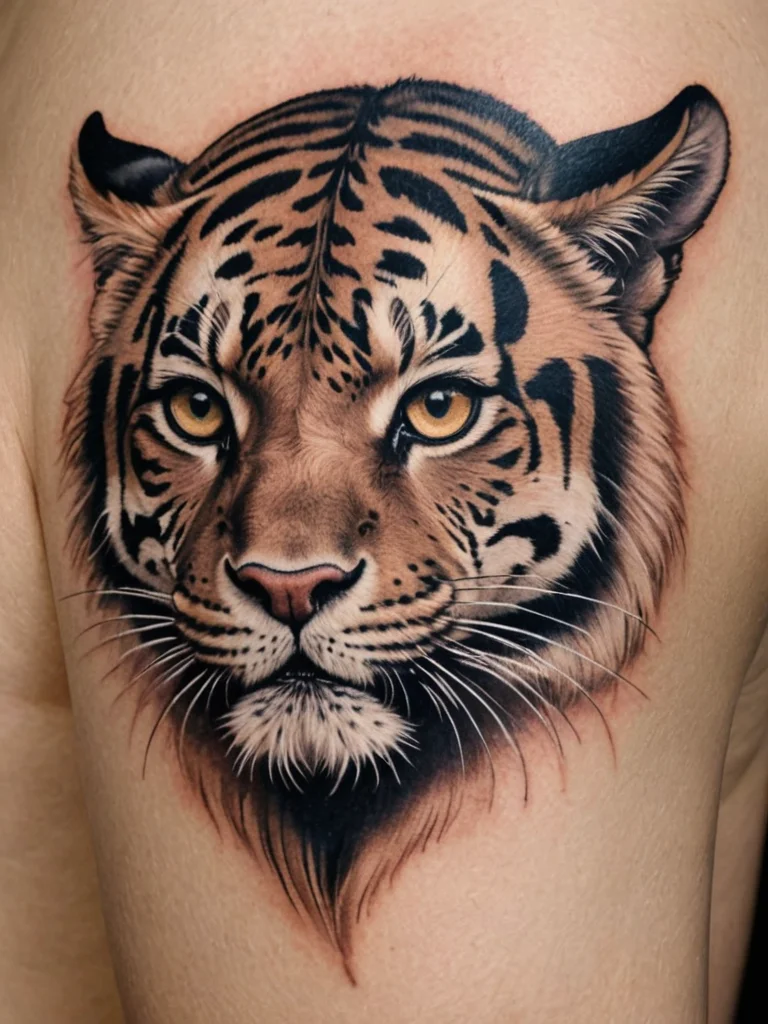
The initial consultation is the cornerstone of a successful tattoo collaboration. It’s the first opportunity for you and the artist to connect, share ideas, and lay the groundwork for the entire design process. Tattoo artists recommend approaching this consultation with a clear understanding of what you hope to achieve, but also with an open mind and a willingness to listen to the artist’s expertise. This phase is all about gathering information, understanding your vision, and establishing realistic parameters for the tattoo.
Eliciting the client’s vision: This involves more than simply asking what kind of tattoo you want. The artist needs to delve deeper into your motivations, the symbolism you are drawn to, and the overall message you want to convey. Questions might include:
- What inspired you to get this tattoo?
- What does this symbol or image mean to you?
- Are there any specific elements you want to include in the design?
- Do you have any reference images that capture the style you are looking for?
It is important to be as detailed and descriptive as possible when answering these questions. Don’t be afraid to share personal stories, anecdotes, or even abstract concepts that are relevant to your tattoo idea. The more information you provide, the better equipped the artist will be to understand your vision and translate it into a tangible design.
Gathering essential information: In addition to understanding your vision, the artist also needs to gather practical information about your preferences and limitations. This includes:
- Style: What type of tattoo style are you interested in? (e.g., traditional, realism, watercolor, geometric, tribal) Providing examples of tattoos in the style you like can be incredibly helpful.
- Placement: Where on your body do you want the tattoo to be located? This will affect the size, shape, and overall design of the tattoo. Some placements are more challenging than others and may require adjustments to the design.
- Size: How big do you envision the tattoo being? Consider the amount of detail you want to include and how it will translate to the chosen size.
- Pain tolerance: Some areas of the body are more sensitive than others. It is important to be honest about your pain tolerance, as this may influence the placement and the length of the tattoo sessions. Tattoo artists can provide guidance on which areas are generally less painful.
- Budget: Tattoos can range in price depending on the size, complexity, and artist’s hourly rate. It is important to establish a budget upfront so that the artist can create a design that fits within your financial constraints. Be wary of artists who offer significantly lower prices than others, as this may indicate a lack of experience or quality.
Consider bringing reference images to the consultation. These can be photos of tattoos you admire, paintings, drawings, or even real-life objects that inspire you. Reference images can help the artist understand your aesthetic preferences and provide a visual starting point for the design process. However, it is important to remember that the artist will not simply copy an existing tattoo. They will use the reference images as inspiration to create a unique and original design that is tailored to your specific vision.
The consultation is also an opportunity for you to ask questions about the artist’s experience, their approach to design, and their studio’s safety and hygiene practices. Don’t hesitate to ask anything that is on your mind. A reputable artist will be happy to answer your questions and address any concerns you may have.
At the end of the consultation, you and the artist should have a clear understanding of the tattoo’s overall concept, style, placement, size, and budget. The artist should also have a good sense of your personal vision and the meaning behind the tattoo. This foundation will serve as the basis for the next phase of the collaboration: the design development.
Think of the initial consultation as laying the foundation for a building. Without a solid foundation, the building will eventually crumble. Similarly, without a thorough and collaborative consultation, the tattoo may not meet your expectations or stand the test of time. Invest the time and effort to ensure that this phase is done right, and you will be well on your way to creating a tattoo that you will cherish for a lifetime.
Phase 2: Design development – techniques for translating ideas into visual concepts (sketching, digital mockups, reference images) and presenting them effectively
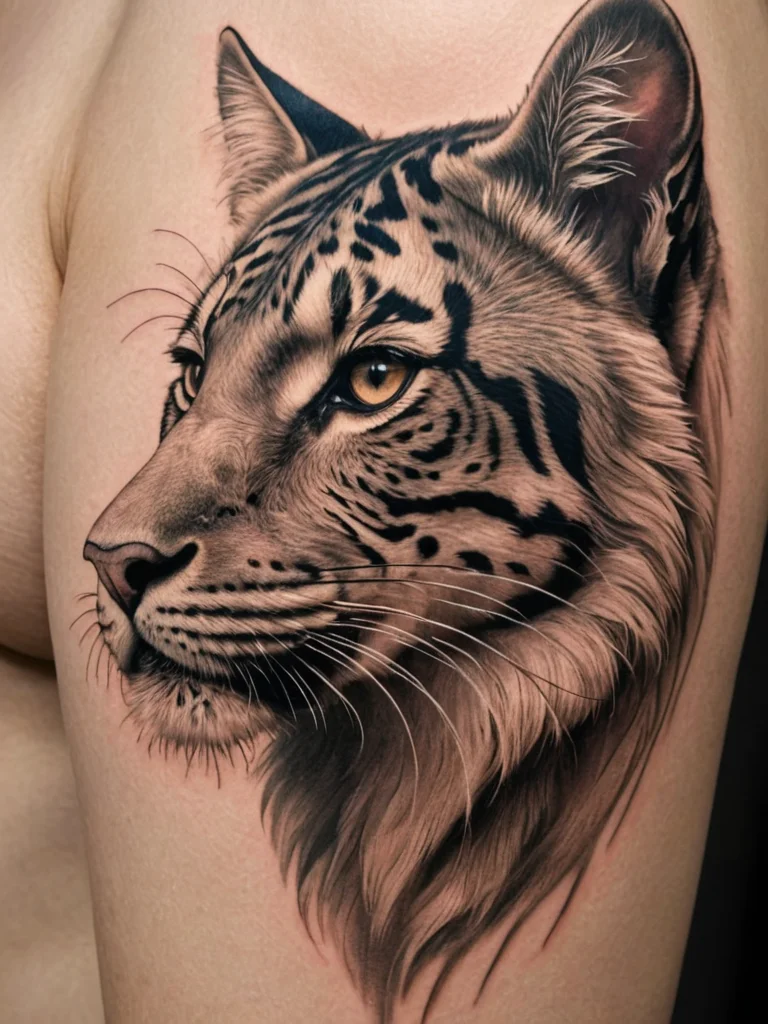
Once the initial consultation is complete, the design development phase begins. This is where the artist takes the information gathered during the consultation and translates it into visual concepts. Tattoo artists utilize various techniques, including sketching, digital mockups, and reference images, to bring your vision to life. The key is to communicate clearly and provide ongoing feedback throughout this process.
Sketching: This is often the first step in the design process. The artist will create rough sketches to explore different compositions, layouts, and elements. These sketches are not meant to be perfect or highly detailed, but rather to serve as a starting point for further refinement. You should review these sketches carefully and provide feedback on what you like and dislike. Don’t be afraid to suggest changes or explore alternative ideas. The sketching phase is all about experimentation and collaboration.
For example, if you are getting a floral tattoo, the artist might sketch different types of flowers, arrangements, and styles. They might also experiment with different backgrounds or shading techniques. You can then provide feedback on which flowers you prefer, how you want them arranged, and the overall style of the sketch. The artist can then use this feedback to refine the sketch and create a more detailed design.
Digital Mockups: In many cases, artists will use digital tools to create mockups of the tattoo design. This allows for greater precision and flexibility, as well as the ability to easily make changes and adjustments. Digital mockups can also be used to simulate how the tattoo will look on your skin, taking into account the contours of your body and the placement of the tattoo. This is a valuable tool for visualizing the final result and ensuring that you are happy with the design before it is applied.
The advantage of digital mockups is that they allow you to see exactly how the tattoo will look on your body. The artist can even take a picture of the area where you want the tattoo and overlay the digital design onto the image. This gives you a realistic preview of the final result and allows you to make any necessary adjustments. For example, you might decide that the tattoo is too large or too small, or that the placement needs to be adjusted slightly. Digital mockups make it easy to experiment with different options and find the perfect fit.
Reference Images: Throughout the design development phase, the artist will continue to use reference images to guide their work. These images can include photos of tattoos you admire, paintings, drawings, or even real-life objects that inspire you. Reference images help the artist understand your aesthetic preferences and ensure that the final design aligns with your vision. It’s important to provide high-quality reference images that are clear and well-lit.
If you are unsure about what style you want, you can provide a range of reference images that showcase different styles and techniques. The artist can then use these images to help you narrow down your preferences and choose a style that you are comfortable with. For example, you might provide reference images of traditional tattoos, realism tattoos, and watercolor tattoos. The artist can then explain the characteristics of each style and help you decide which one is the best fit for your tattoo idea.
Presenting Designs Effectively: The way the artist presents the designs is crucial for effective communication. The artist should explain the design choices they have made, the symbolism they have incorporated, and how the design relates to your initial vision. They should also be open to answering your questions and addressing any concerns you may have. Remember, this is a collaborative process, and your feedback is essential.
The artist should also present the designs in a clear and professional manner. This might involve creating a digital presentation, printing out the designs, or even sketching them directly onto your skin using temporary markers. The goal is to give you a clear and accurate representation of the final result. If you are unsure about anything, don’t hesitate to ask for clarification. The artist should be able to explain their design choices in a way that is easy to understand.
Iterative feedback is crucial. After reviewing the sketches or mockups, provide specific and constructive feedback. Instead of saying “I don’t like it,” try to explain what you don’t like and suggest ways to improve it. For example, you might say “I don’t like the placement of the flower; can we move it to the left?” or “I think the shading is too dark; can we lighten it up a bit?” The more specific your feedback, the easier it will be for the artist to make the necessary adjustments. Be patient, as this process may require several iterations before you arrive at a final design that you are happy with.
The design development phase is a critical part of the tattoo process. By actively participating in this phase, providing clear feedback, and working collaboratively with the artist, you can ensure that the final design is a true reflection of your vision.
Phase 3: Addressing feedback and iteration – how to handle revisions, overcome creative differences, and finalize the design (legal considerations, consent forms)
The iteration phase, fueled by your feedback, is where the tattoo design truly comes into its own. It’s a delicate dance of creative compromise and technical feasibility, guided by open communication and mutual respect. Addressing feedback effectively, navigating potential creative differences, and finalizing the design, all while keeping legal considerations in mind, is crucial for a positive and legally sound experience.
Handling Revisions: After the artist presents the initial design concepts, you will likely have revisions or changes you want to make. It’s essential to communicate these changes clearly and constructively. Instead of vague statements like “I don’t like it,” try to articulate specific concerns. For example, “The lines are too thick in this area” or “The shading is too dark, making it hard to see the details.” Provide specific suggestions on how to improve the design, such as “Can we make the lines thinner?” or “Could we lighten the shading to create more contrast?”
The artist, in turn, should be receptive to your feedback and willing to make reasonable adjustments. A skilled artist will listen attentively to your concerns, ask clarifying questions, and explain the reasoning behind their design choices. They may also offer alternative solutions or suggest compromises that address your concerns while maintaining the integrity of the design. It’s a back-and-forth process, a conversation between your vision and their expertise.
It’s also important to understand that not all revisions may be feasible. The artist may explain technical limitations, such as the size of the tattoo, the complexity of the design, or the limitations of the placement area. Be open to hearing their explanations and be willing to compromise if necessary. Remember, the goal is to create a tattoo that you are happy with, but it also needs to be a tattoo that is technically sound and will heal well over time.
Overcoming Creative Differences: It’s not uncommon to encounter creative differences during the design process. You may have a specific vision in mind, while the artist may have a different idea about how to execute it. When these differences arise, it’s important to communicate respectfully and find common ground. Try to understand the artist’s perspective and explain your own vision clearly. Listen to their suggestions and be willing to consider alternative approaches.
One helpful strategy is to focus on the underlying goals and values of the tattoo. What message do you want to convey? What emotions do you want to evoke? By focusing on these fundamental aspects, you can often find creative solutions that satisfy both your vision and the artist’s expertise. For example, if you want a tattoo that symbolizes strength and resilience, the artist may suggest using a different symbol or imagery that better represents those qualities.
If you are unable to resolve creative differences, it may be necessary to seek a second opinion from another artist. However, this should be done respectfully and professionally. Explain to the original artist that you are simply exploring other options and that you appreciate their time and effort. Switching artists mid-design can be a sensitive situation, so it’s important to handle it with tact and diplomacy.
Finalizing the Design: Once you are satisfied with the design, it’s time to finalize it and prepare for the tattoo session. This involves reviewing the design carefully, making any final adjustments, and confirming the placement, size, and colors. The artist should provide you with a final version of the design that you can approve in writing or digitally. Be absolutely sure that you are happy with every aspect of the design before giving your approval.
Legal Considerations and Consent Forms: Before getting tattooed, you will typically be required to sign a consent form. This form outlines the risks associated with tattooing, such as infection, allergic reactions, and scarring. It also confirms that you are of legal age to get tattooed and that you are not under the influence of drugs or alcohol. Read the consent form carefully and ask any questions you may have before signing it. The artist should be able to answer your questions and address any concerns you may have.
The consent form may also include information about copyright and ownership of the tattoo design. In most cases, the artist retains the copyright to the design, even though it is on your body. This means that you may not be able to reproduce the design without the artist’s permission. However, you typically have the right to display the tattoo publicly and to photograph it for personal use.
Some jurisdictions may have specific regulations regarding tattooing, such as licensing requirements for artists and studios, restrictions on tattooing certain areas of the body, and guidelines for hygiene and safety. Make sure that the artist and studio you choose are licensed and compliant with all applicable regulations. This will help ensure that you are getting a safe and professional tattoo.
Remember, the finalized design is a legally binding agreement. Once you approve it and sign the consent form, you are committing to the tattoo session and agreeing to pay for the tattoo. Be sure that you are 100% confident in your decision before proceeding.
This stage is about ensuring both creative satisfaction and legal protection. Thorough review, open communication, and careful attention to detail at this stage will set the stage for a positive and legally sound tattooing experience.
Conclusion: Ensuring client satisfaction and building a strong portfolio through collaborative tattoo design

Collaborative tattoo design is not merely about creating a visually appealing image; it’s about forging a meaningful connection between you, the client, and the tattoo artist, resulting in a piece of art that resonates deeply and stands the test of time. Ensuring your satisfaction and simultaneously allowing the artist to build a strong portfolio hinges on a process built on trust, open communication, and mutual respect.
Prioritizing Client Satisfaction: Your satisfaction should be the ultimate goal of any tattoo artist. This means not only creating a design that meets your aesthetic preferences but also ensuring that the entire experience is positive and comfortable. The artist should be attentive to your needs, patient with your requests, and willing to go the extra mile to ensure that you are happy with the final result. This may involve making multiple revisions, spending extra time explaining the design choices, or even offering a discount if you are not completely satisfied.
After the tattoo is complete, the artist should provide you with detailed aftercare instructions. These instructions will explain how to properly clean and care for your new tattoo to prevent infection and promote healing. The artist should also be available to answer any questions you may have about the aftercare process. Following these instructions carefully is essential for ensuring that your tattoo heals properly and looks its best for years to come.
A truly client-focused artist will also follow up with you after the tattoo has healed to check on your progress and address any concerns you may have. This demonstrates a commitment to your long-term satisfaction and shows that the artist values your business.
Building a Strong Portfolio: Collaborative tattoo design is also an opportunity for the artist to showcase their skills and build a strong portfolio. A well-designed and executed tattoo can be a powerful advertisement for the artist, attracting new clients and enhancing their reputation. To maximize the portfolio potential, the artist should document the entire design process, from the initial consultation to the final result. This may involve taking photos of the sketches, mockups, and the finished tattoo. The artist should also obtain your permission to use these images in their portfolio and on social media.
The artist should also strive to create unique and original designs that showcase their creativity and technical skills. Copying existing tattoos is not only unethical but also detrimental to the artist’s reputation. By creating original designs, the artist can demonstrate their artistic abilities and attract clients who are looking for something truly special. A strong portfolio should also showcase a variety of styles and techniques, demonstrating the artist’s versatility and adaptability.
Happy clients are the best form of advertising for any tattoo artist. When you are satisfied with your tattoo, you are more likely to recommend the artist to your friends and family. You may also be willing to write a positive review online or share photos of your tattoo on social media. These testimonials can be invaluable for attracting new clients and building the artist’s reputation. It’s a virtuous cycle: collaborative design leads to satisfied clients, who in turn contribute to a stronger artist portfolio and reputation.
In conclusion, successful collaboration in tattoo design benefits both you and the artist. For you, it ensures a meaningful and personalized piece of art that you will cherish for years to come. For the artist, it provides an opportunity to showcase their skills, build a strong portfolio, and attract new clients. By embracing collaboration, setting realistic expectations, and communicating effectively, you can create a tattoo that is not only visually stunning but also deeply meaningful and personally fulfilling. Remember, a tattoo is a permanent investment in yourself, so it’s worth taking the time to collaborate with a skilled artist and create something truly special. The power of collaborative creation transforms body art into personal narrative, etched in ink and lived out loud.