Navigating the world of tattoo artistry involves more than just technical skill; it also demands adeptness in handling diverse personalities and anxieties. You’ll inevitably encounter clients who exhibit micromanaging tendencies or heightened anxiety levels regarding their tattoo experience. Understanding the root causes of these behaviors and developing effective communication strategies are crucial for ensuring a positive and collaborative process, ultimately leading to a satisfied client and a stunning piece of art. Successfully managing these situations protects your well-being as an artist and safeguards your creative process.
Understanding client anxiety: Identifying the root causes of micromanagement
To effectively address client anxiety and micromanagement, it’s essential to first understand the underlying reasons driving these behaviors. Often, anxiety stems from a lack of control or perceived uncertainty about the outcome of the tattoo. You should consider these factors:
- Fear of the Unknown: Many first-time clients are stepping into uncharted territory. They might be anxious about the pain, the process, or the permanence of the tattoo. This fear can manifest as a need to control every aspect of the experience. For example, you might see clients excessively question the placement of the stencil, the colors being used, or even the pressure of the machine. They’re not necessarily questioning your skill; they’re seeking reassurance that everything is going according to *their* vision.
- Past Negative Experiences: A client might have had a bad experience with a previous tattoo artist, leading to trust issues and a desire to closely monitor the process. Perhaps they felt unheard or that their concerns were dismissed. This could lead them to be overly assertive and vigilant during the current session. You might notice hesitation when you suggest a particular shading technique or a general distrust of your professional judgment.
- Perfectionism: Some clients are simply perfectionists by nature. They have a very specific image in their mind of what they want the tattoo to look like, and any deviation from that vision can trigger anxiety. These clients might scrutinize every line and shadow, seeking absolute precision. While striving for quality is admirable, excessive focus on minor details can hinder the creative process.
- Body Image Issues: For some individuals, getting a tattoo is deeply intertwined with their body image. They may be anxious about how the tattoo will look on their skin, whether it will accentuate their perceived flaws, or if it will meet their aesthetic expectations. This anxiety can lead to micromanagement as they try to control the placement, size, and design of the tattoo to align with their ideal self-image.
- Misinformation and unrealistic expectations: The prevalence of tattoo imagery online can sometimes lead to unrealistic expectations. Clients may come in with heavily filtered or edited photos of tattoos, expecting the same level of flawless detail. It’s important to educate them about the limitations of tattooing and the natural variations that occur in skin. You might have to explain why a particular design wouldn’t translate well to their skin type or the area they’ve chosen.
- Underlying Anxiety Disorders: In some cases, a client’s micromanaging tendencies might be a symptom of an underlying anxiety disorder. While you’re not a therapist, recognizing this possibility can help you approach the situation with more empathy and understanding. If you suspect this is the case, gently suggest they speak to a mental health professional.
Understanding the source of the anxiety is the first step in mitigating its impact. You must become a keen observer, listening not only to the client’s words but also paying attention to their body language and overall demeanor. Empathetic listening and careful questioning can reveal the underlying fears and insecurities driving their behavior.
Setting clear expectations and boundaries: The foundation for a smooth tattoo process

Establishing clear expectations and firm boundaries is crucial for preventing and managing micromanaging clients. This process begins well before the needle touches the skin. You should clearly explain your tattooing process, limitations, and payment policies during the initial consultation.
- The Consultation: A Foundation of Transparency: The initial consultation is your opportunity to set the stage for a successful collaboration. This is where you discuss the client’s design ideas, assess their suitability, and explain your artistic approach. Be upfront about what you can and cannot achieve, particularly in terms of size, detail, and color saturation. For example, if a client wants an incredibly intricate design on a small area, explain that the details might blur over time. Clearly outline your pricing structure, deposit policies, and any fees for touch-ups or modifications.
- Design Approval: A Contract of Understanding: Before beginning the tattoo, have the client approve the final design, stencil placement, and color palette. Obtain written confirmation that they are satisfied with these elements. This documentation provides a clear reference point and helps prevent disputes later on. Explain that minor adjustments are possible during the tattooing process, but significant changes after the stencil is applied may incur additional costs.
- Session Length and Breaks: Managing Expectations Realistically: Be transparent about the estimated session length and the need for breaks. Explain that tattooing is physically demanding for both you and the client and that taking breaks is essential for maintaining focus and ensuring quality work. Emphasize that rushing the process can compromise the final result. Explain that you will need short breaks to stretch, hydrate, and maintain your focus.
- Payment and Touch-Ups: Clear Policies, Fewer Headaches: Clearly outline your payment policy, including when payments are due and acceptable forms of payment. Explain your policy on touch-ups, including whether they are included in the original price, the timeframe for free touch-ups, and the cost for touch-ups outside that timeframe. A written agreement covering these details can prevent misunderstandings and disputes down the road.
- Your Artistic Style: Being Honest About Your Strengths: It’s important to be honest about your artistic style and expertise. Don’t agree to take on a project that falls outside your skill set. If a client wants a hyper-realistic portrait and you specialize in traditional Japanese designs, politely decline and refer them to an artist who specializes in realism. Trying to force a style you’re not comfortable with will only lead to frustration for both you and the client.
- Setting Boundaries During the Tattooing Process: Once the tattooing begins, it’s crucial to maintain your boundaries. Politely but firmly address any micromanaging behavior. For example, if a client is constantly asking for changes to the stencil placement after it has been approved, remind them of the agreed-upon design and explain why further adjustments might compromise the overall composition. Let them know you value their input, but that you also need to focus on your work to deliver the best possible result.
Remember, boundaries aren’t about being inflexible; they’re about protecting your time, energy, and creative process. You should clearly explain why you are making certain decisions, referencing your experience and the agreed-upon design.
Communication strategies: How to reassure anxious clients and build trust
Effective communication is paramount when dealing with anxious clients. By actively listening to their concerns, providing clear explanations, and offering reassurance, you can build trust and create a more comfortable tattooing experience. You should remember that communication is key to resolving their anxieties.
- Active Listening: Hearing Beyond the Words: Active listening involves paying close attention to what the client is saying, both verbally and nonverbally. Make eye contact, nod to show you’re engaged, and ask clarifying questions to ensure you understand their concerns. For example, if a client expresses anxiety about the pain, ask them to describe their pain tolerance level and any previous experiences with pain. This will help you tailor your approach to their specific needs.
- Providing Clear Explanations: Demystifying the Process: Many clients are anxious because they don’t understand the tattooing process. Take the time to explain each step, from preparing the skin to applying the stencil to using the tattoo machine. Explain why you’re using specific techniques or colors and how they contribute to the overall design. Use simple, non-technical language that the client can easily understand. If they express concern about the cleanliness of the equipment, explain your sterilization procedures in detail.
- Offering Reassurance: Building Confidence: Anxious clients often need reassurance that they are in capable hands. Highlight your experience, training, and positive reviews. Show them examples of your previous work that are similar to their desired tattoo. During the tattooing process, provide ongoing feedback and encouragement. Let them know that you are paying attention to their comfort level and that they can stop at any time if they need a break. A simple “You’re doing great!” can go a long way in alleviating anxiety.
- Using Visual Aids: Painting a Clear Picture: Visual aids can be incredibly helpful in communicating your ideas and reassuring anxious clients. Use digital mockups to show them how the tattoo will look on their skin. Show them reference images of similar tattoos you’ve done in the past. Use color charts to illustrate the range of hues available and explain how they will appear on different skin tones. This visual communication can help bridge the gap between their expectations and the reality of the tattooing process.
- Empathy and Validation: Acknowledging Their Feelings: Acknowledge and validate the client’s feelings, even if you don’t necessarily agree with them. Avoid dismissing their concerns or telling them they’re overreacting. Instead, say something like, “I understand you’re feeling anxious about the pain. Many people experience that. We’ll take it slow and do everything we can to make you comfortable.” This shows that you care about their well-being and are willing to work with them to address their concerns.
- Open Dialogue: Fostering Collaboration: Encourage open communication throughout the tattooing process. Let the client know that they can ask questions or express concerns at any time. Create a safe and supportive environment where they feel comfortable sharing their thoughts and feelings. By fostering a collaborative relationship, you can empower them to take an active role in their tattoo experience and reduce their anxiety.
Remember, communication is a two-way street. You should not only be clear and informative, but also actively listen to and validate the client’s feelings. Empathy and understanding are crucial for building trust and creating a positive tattoo experience.
Managing excessive demands: Techniques for redirecting and refocusing client concerns

Even with clear communication and established boundaries, some clients may still exhibit excessive demands or micromanaging behaviors. It’s crucial to develop strategies for redirecting their concerns and refocusing their attention on the overall artistic vision. Remember to always be professional, while standing your ground and protecting your creative license.
- Acknowledging the Request: The First Step to Redirecting: Before dismissing a client’s demand, acknowledge their request and demonstrate that you’ve heard them. For example, if a client is constantly asking for minor adjustments to the stencil, acknowledge their concerns by saying, “I understand you want the lines to be perfectly aligned. I’m carefully considering your feedback and incorporating it into the design.”
- Explaining the Rationale: Providing a Reasoned Response: After acknowledging the request, explain your rationale for either accepting or declining it. Provide a clear and concise explanation that is based on your artistic expertise and the overall goals of the tattoo. For example, if a client wants a change that would compromise the structural integrity of the design, explain why that change is not feasible. “While I appreciate your suggestion, altering the angle of the wing at this point would affect the overall balance of the piece and could lead to distortion over time.”
- Offering Alternatives: Finding a Middle Ground: When possible, offer alternative solutions that address the client’s underlying concerns while still maintaining the integrity of your artistic vision. For example, if a client is concerned about the darkness of a particular color, suggest using a lighter shade or a different shading technique. “Instead of using solid black for the shadows, we could use a diluted gray wash to create a softer, more subtle effect.”
- Reframing the Perspective: Shifting the Focus: Sometimes, clients get caught up in minor details and lose sight of the bigger picture. Try to reframe their perspective by reminding them of the overall artistic vision and how the tattoo will look as a whole. “I understand you’re focused on the individual petals of the flower, but remember that the overall goal is to create a sense of depth and movement. These small variations will contribute to that effect.”
- Setting Time Limits for Feedback: Maintaining Momentum: If a client is constantly providing feedback and slowing down the tattooing process, set a time limit for their input. Explain that you value their feedback but that you need to maintain momentum to complete the tattoo within a reasonable timeframe. “I want to make sure you’re happy with the progress, so let’s take a few minutes now to review the design and address any remaining concerns. After that, I need to focus on completing the tattooing process.”
- Taking Breaks: Resetting the Energy: When tensions rise, take a break. Suggest a short break for both of you to stretch, relax, and clear your heads. Use this time to reassess the situation and develop a plan for moving forward. Sometimes, a few minutes of distance can provide a fresh perspective and help diffuse the tension.
Remember, your goal is not to control the client’s behavior but to guide them towards a more productive and collaborative approach. By acknowledging their concerns, explaining your rationale, offering alternatives, and reframing the perspective, you can help them feel heard and respected while still maintaining control over the artistic process. Setting clear boundaries and taking breaks when necessary can help prevent the situation from escalating.
When to refer or dismiss: Knowing your limits and protecting your well-being
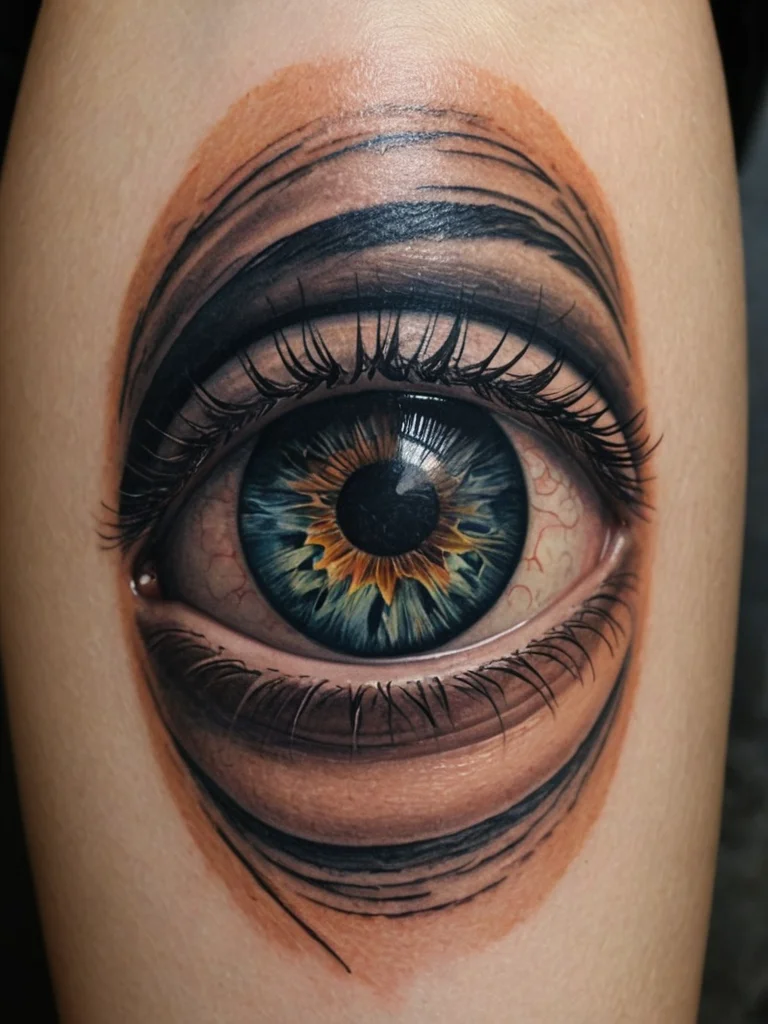
While most client anxieties can be managed through effective communication and clear boundaries, there are instances where it’s necessary to refer a client to another artist or, in extreme cases, dismiss them altogether. Knowing your limits and prioritizing your well-being is essential for maintaining a sustainable and fulfilling career. This isn’t about failing; it’s about understanding your limitations and the client’s needs.
- Recognizing Red Flags: Identifying Unmanageable Behavior: Be aware of red flags that indicate a client’s behavior is beyond your ability to manage. These might include:
- Constant criticism and negativity, despite your best efforts to address their concerns.
- Demanding unrealistic changes or requests that compromise the artistic integrity of the design.
- Disrespectful or abusive language or behavior towards you or your staff.
- Refusal to adhere to your established policies and procedures.
- Signs of underlying mental health issues that are interfering with the tattooing process (e.g., severe anxiety, paranoia).
- Referral to Another Artist: A Win-Win Solution: When possible, consider referring the client to another artist who might be a better fit for their personality or artistic preferences. This can be a win-win solution, as it allows the client to get the tattoo they desire while protecting your mental and emotional well-being. Explain to the client that you believe another artist might be better suited to their specific needs and offer to help them find a reputable alternative.
- Dismissal: A Last Resort, But Sometimes Necessary: In extreme cases, when a client’s behavior is consistently disruptive, disrespectful, or abusive, it may be necessary to dismiss them as a client. This is a difficult decision, but it’s essential for protecting yourself and your business. Clearly and calmly explain to the client that you are no longer able to provide them with tattooing services and offer a refund for any unused portion of their deposit. Document the reasons for the dismissal in detail.
- Protecting Your Mental Health: Prioritizing Self-Care: Dealing with difficult clients can take a toll on your mental health. It’s crucial to prioritize self-care and develop strategies for managing stress. This might include:
- Setting boundaries with all clients, not just the difficult ones.
- Taking regular breaks during the workday.
- Engaging in activities that you enjoy outside of work.
- Seeking support from friends, family, or a therapist.
- Learning from Experience: Refining Your Approach: Every interaction with a difficult client is an opportunity to learn and refine your approach. Reflect on what you could have done differently and adjust your policies and procedures accordingly. For example, you might consider adding a clause to your client agreement that outlines acceptable behavior and the consequences of violating those standards.
Ultimately, knowing when to refer or dismiss a client is a matter of experience and intuition. Trust your gut feeling and prioritize your well-being. Remember, you have the right to create a safe and respectful work environment for yourself and your staff. By setting clear boundaries, managing expectations, and knowing your limits, you can navigate the challenges of dealing with difficult clients and maintain a thriving and fulfilling career as a tattoo artist.