Choosing to remove a tattoo is often a decision heavier than choosing to get one. Whether it’s ‘regret ink,’ a faded piece, or simply clearing space for new art, the process requires dedication, patience, and choosing the right technology. For those considering removal in the Western market, two primary non-surgical methods dominate the conversation: traditional laser fragmentation and the increasingly popular saline extraction method.
As experts in tattoo culture, we understand that this is a critical choice affecting your skin’s health and the final outcome. This detailed comparison cuts through the marketing hype to provide a technical, practical look at how saline and laser removal stack up against each other, helping you determine the safest and most effective path for your unique piece of ink.
1. Saline vs. Laser Tattoo Removal: A Comprehensive Comparison
While both saline and laser removal aim to eliminate pigment from the dermis, their mechanisms of action are fundamentally different. Laser removal is a process of physical destruction followed by biological absorption, while saline removal is a chemical extraction process utilizing osmosis.
- Laser (Photo-Acoustic): Uses highly focused light energy to shatter the ink particles into tiny fragments. The body’s immune system (macrophages) then absorbs and flushes these fragments out via the lymphatic system.
- Saline (Osmotic Extraction): Involves introducing a hypertonic (high-salt concentration) solution directly into the tattooed skin. This creates an osmotic imbalance, drawing the ink pigment to the surface where it is expelled through scabbing.
Understanding this core difference is essential, as it dictates suitability for different ink types, colors, and skin depths.
2. A Brief History of Tattoo Removal Techniques: From Ancient Times to Modern Solutions
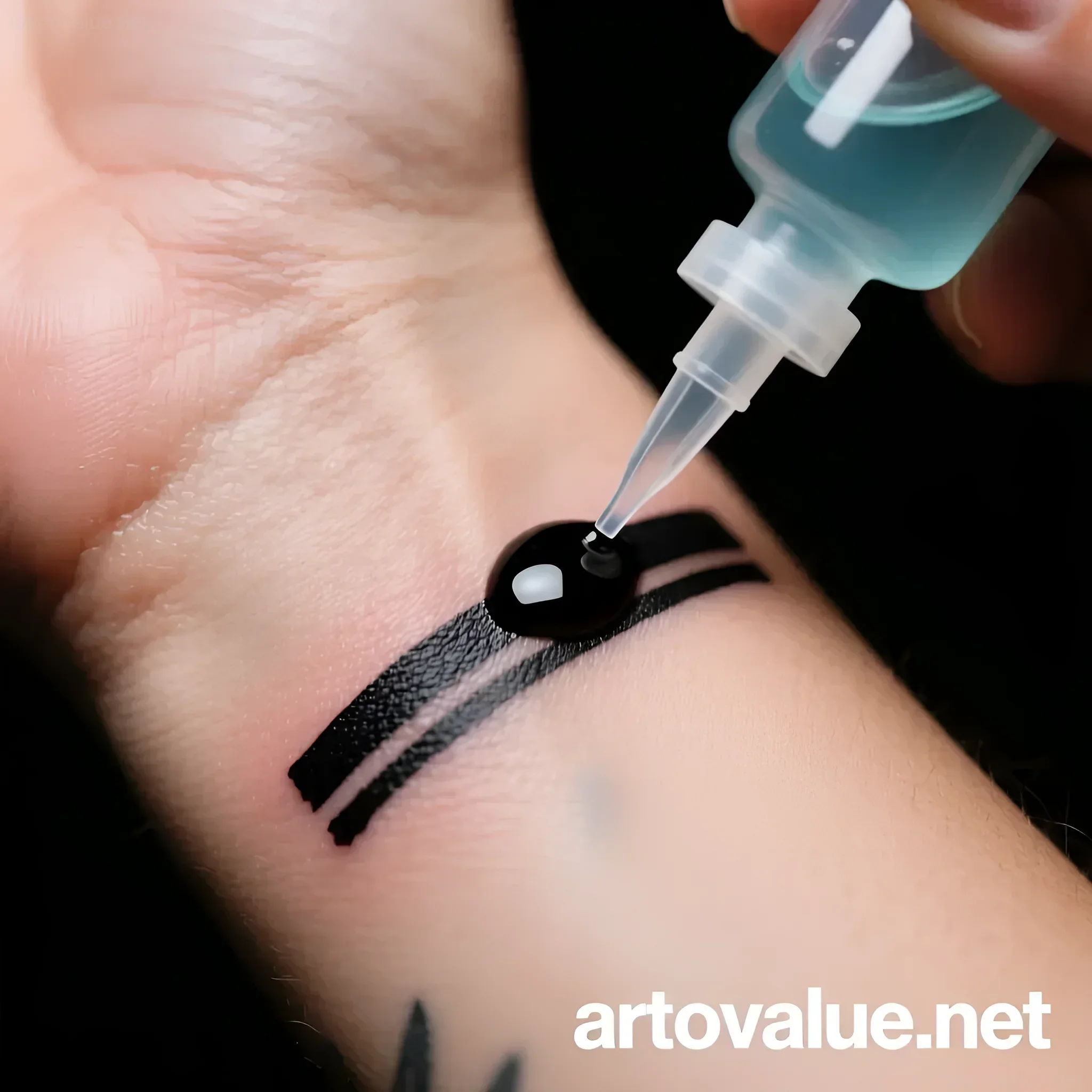
The desire to remove tattoos is as old as tattooing itself. For centuries, removal was a brutal, non-selective process that caused significant scarring.
Early methods included:
- Abrasive Techniques: Using wine, lime, or sandpaper to physically scrape away the skin (dermabrasion).
- Acidic Solutions: Applying strong acids, which often resulted in severe chemical burns and disfigurement.
- Surgical Excision: Cutting the tattoo out and suturing the remaining skin, suitable only for very small pieces.
The modern era of removal began in the 1980s with the development of Q-switched lasers. These devices offered the first method of selective removal—targeting only the pigment without destroying surrounding tissue. This technology has continuously evolved, leading to the highly efficient Picosecond (Pico) lasers used widely today.
Saline removal, while seemingly simple, stems from specialized techniques developed in the permanent makeup (PMU) industry. Artists needed a gentler, more targeted way to lift superficial pigment, particularly around sensitive areas like the eyes and lips. Over time, the technique was refined using highly controlled, buffered solutions, making it a viable alternative for smaller body tattoos and colors resistant to laser light.
3. How Saline Tattoo Removal Works: The Science Behind the Salt

Saline removal is often marketed as a “natural” alternative, but its effectiveness relies on precise chemical principles.
The Osmotic Process Explained
The technician uses a standard coil or rotary tattoo machine, or sometimes a microblading tool, to gently open the skin over the existing tattoo. Instead of pigment, a sterile, concentrated saline solution (usually a high percentage of sodium chloride mixed with distilled water and sometimes balancing ingredients) is implanted into the dermis.
The Mechanism:
- Hypertonic Environment: The implanted saline creates a hypertonic solution—meaning it has a much higher concentration of salt than the surrounding tissue fluids and the ink particles.
- Osmotic Pressure: Nature always seeks equilibrium. To balance the high salt content, the body’s moisture and fluids rush to the area.
- Reverse Osmosis & Expulsion: This rush of fluid effectively pushes the encapsulated tattoo pigment (which is now suspended in the fluid) up and out of the skin, where it mixes with the saline.
The mixture of ink and saline forms a crust or scab on the surface of the skin. When this scab naturally falls off (typically 7–14 days later), the trapped ink pigment is shed with it. This method is particularly effective at treating lighter pigments, such as white or flesh tones, which lasers often struggle to recognize.
4. How Laser Tattoo Removal Works: Targeting Ink with Light
Laser removal is the gold standard for most large, dark, and deep tattoos. It relies on the principle of Selective Photothermolysis.
The Fragmentation Process
Modern tattoo removal uses ultra-fast pulsing lasers (Q-switched, Nanosecond, or Picosecond) that deliver a specific wavelength of light.
Key Laser Concepts:
- Wavelength Specificity: Different ink colors absorb different light wavelengths. Black ink absorbs all wavelengths (making it the easiest), while green requires a specific 755nm or 694nm wavelength, and reds require 532nm.
- Photo-Acoustic Effect: When the laser pulse hits the ink particle, the massive energy absorption happens in less than a nanosecond (or a picosecond, which is a trillionth of a second). This rapid heating causes the ink to expand and shatter instantly, creating a shockwave (the ‘snapping’ sound you hear).
- Immune Response: Once shattered, the microscopic ink fragments are small enough for the body’s scavenger cells (macrophages) to engulf and remove via the lymphatic system.
The main advantage of Pico technology over older Q-switched lasers is speed. Faster pulses mean less heat diffusion into surrounding skin, resulting in fewer sessions needed, less risk of thermal damage, and better clearance of stubborn colors.
5. Saline vs. Laser: Key Differences – Cost, Pain, Effectiveness & Recovery

When making a decision, practical considerations like your budget, pain tolerance, and expected downtime are crucial. The table below summarizes the core differences.
| Feature | Laser Removal (Pico/Q-Switched) | Saline Removal (Osmotic) |
|---|---|---|
| Mechanism | Light energy shatters ink internally; body absorbs fragments. | Hypertonic solution draws ink externally through scabbing. |
| Effectiveness (Overall) | High for dark inks, large areas, professional tattoos. | High for PMU, light/white inks, shallow pigment. |
| Pain Level | Moderate to High (Sharp, hot snapping sensation). Local anesthetic often used. | Moderate (Scratching, stinging sensation, similar to original tattooing). Topical numbing is typical. |
| Cost per Session | Higher (due to equipment cost and technician specialization). | Lower (comparable to a standard tattoo or PMU session). |
| Total Sessions Needed | 3–12 sessions for full removal, depending on ink density and color. | 5–15+ sessions, especially for dense body tattoos. |
| Recovery/Downtime | Faster surface healing (blistering, redness, swelling). Can resume normal activity quickly. | Slower (Requires formation and shedding of a thick, ink-laden scab). Area must be kept dry for up to 10 days. |
Effectiveness Note: Laser removal is generally more efficient for removing large, dense, black-ink tattoos found deep in the dermis. Saline removal, because it relies on the technician manually working the solution into the skin layer by layer, is better suited for smaller areas or superficial pigment.
6. Ideal Candidates & Tattoo Suitability: Which Method is Right for Your Ink?
The right method depends entirely on the tattoo itself, your skin type (Fitzpatrick scale), and your ultimate goal (full removal vs. fading for a cover-up).
Ideal Candidates for Laser Removal:
- Large & Dense Tattoos: Laser covers large surface areas quickly and effectively targets deeply embedded, professional inks.
- Black & Dark Inks: Black ink absorbs laser light most efficiently, leading to faster results.
- Cover-Up Preparation: If your goal is to fade a tattoo enough for new artwork, laser is the fastest way to achieve significant lightening.
- Clients Seeking Low Scarring Risk: When performed correctly, modern Pico lasers minimize textural changes compared to the deeper trauma of osmotic removal.
Ideal Candidates for Saline Removal:
- Cosmetic Tattoos (PMU): Eyebrows, lip liner, or microblading pigment that is shallow and often contains titanium dioxide (white/flesh tones). Saline is safer near the eyes and excels at lifting titanium dioxide, which lasers can sometimes oxidize and turn black.
- Small, Fresh Tattoos: Saline can be highly effective on recent, small tattoos (under six months old) where the pigment hasn’t settled deeply.
- Colors Resistant to Laser: White, yellow, and flesh-toned inks that lasers bypass or react poorly with.
- Clients with Darker Skin Tones (Fitzpatrick IV–VI): While lasers can be used carefully, saline poses a lower risk of permanent hypo- or hyperpigmentation because it doesn’t use intense heat that interacts with the skin’s melanin.
Expert Insight: If you have a poorly executed tattoo with shallow, inconsistent pigment, saline might be a surprisingly fast and effective solution. If you have a large, highly saturated sleeve, laser is the only practical option.
7. Aftercare & Potential Side Effects: Managing Healing & Minimizing Risks

Aftercare is non-negotiable for successful removal, regardless of the method. Poor aftercare is the leading cause of adverse outcomes, including scarring and infection.
Saline Aftercare Protocol:
The primary instruction is Do Not Disturb the Scab. The scab is the mechanism of ink removal.
- Immediate Care: Keep the area completely dry for 24–48 hours.
- Scabbing Phase (Days 3–14): A thick, dark scab containing the expelled ink will form. This must be left alone to fall off naturally. Picking or premature removal can lead to scarring and loss of pigment in the surrounding skin.
- Post-Scab: Once the scab is gone, the skin will be pink and sensitive. Use Vitamin E or specialized scar serums to promote healthy healing.
- Potential Side Effects: Longer healing time (up to 12 weeks for the underlying tissue), higher risk of textural changes (slight indentation) if the technician worked too deep, and temporary redness.
Laser Aftercare Protocol:
The goal is to manage heat, inflammation, and blistering.
- Immediate Care: Apply a cold compress immediately post-session. Keep the area elevated if possible.
- Blistering & Swelling: Blistering is a normal reaction indicating the body is processing the ink. Do not pop blisters; allow them to reabsorb naturally.
- Sun Protection (CRITICAL): Strict avoidance of UV exposure is mandatory. Laser-treated skin is highly photosensitive. Sun exposure can cause severe burns, hyperpigmentation, or permanent darkening of the skin.
- Potential Side Effects: Temporary hypopigmentation (loss of natural skin color) or hyperpigmentation (darkening), ghosting (a faint outline of the original tattoo), and minor textural changes.
8. Popular Variations & Emerging Technologies in Tattoo Removal
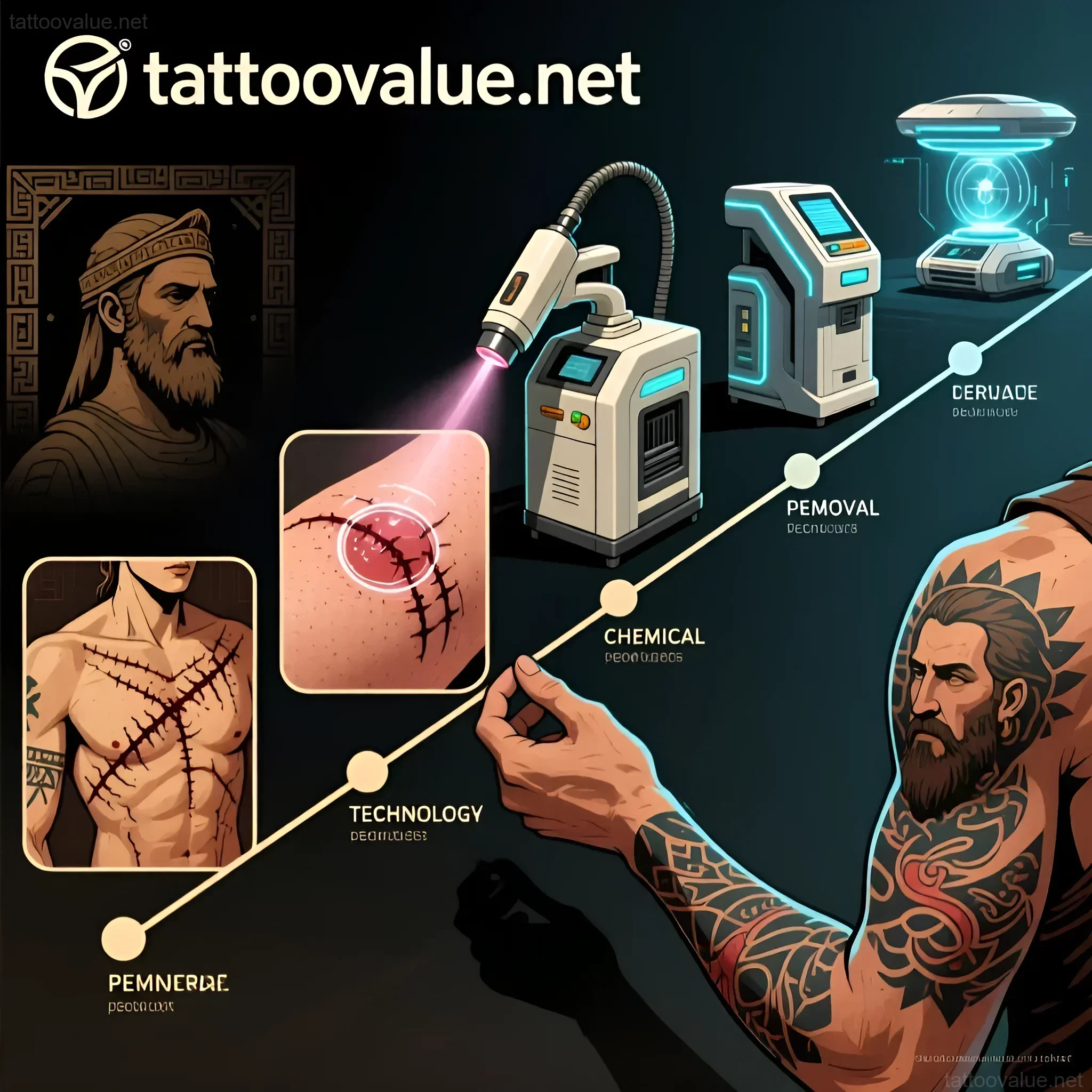
The field of tattoo removal is constantly innovating, offering variations that maximize efficiency and comfort.
Laser Variations:
- The R20 Method: This technique involves four passes of the laser over the tattoo in a single session, separated by 20-minute intervals to allow the skin to cool and the gas bubbles (created by the shattering ink) to dissipate. This can significantly reduce the number of overall sessions needed.
- Fractional Laser Resurfacing: Sometimes used in conjunction with standard removal, this technique creates micro-channels in the skin. This can help pull deeper ink particles closer to the surface and improve skin texture, minimizing the ‘ghosting’ effect.
Chemical Variations (Related to Saline):
While saline is the most common osmotic method, some practitioners use specialized chemical solutions:
- Glycolic or Lactic Acid Solutions: These are often stronger acids used similarly to saline, implanted into the skin to create a controlled wound and pull out pigment. While sometimes effective, they carry a higher risk of chemical burn and scarring if not handled by a highly experienced specialist. Saline remains the preferred choice due to its gentler nature.
9. Frequently Asked Questions (FAQ) About Saline & Laser Tattoo Removal
Q: Can I combine saline and laser removal methods?
A: Absolutely, and this is often the recommended strategy for complex removals. Many clients use laser removal first to target the deep, dark pigments. If residual light colors (like white highlights or yellow residue) remain, a few sessions of saline removal can effectively lift the stubborn, superficial inks that the laser struggled with. This ensures the most comprehensive clearance.
Q: Does the age of the tattoo matter?
A: Yes. Older tattoos (10+ years) are generally easier for laser removal because the body has already naturally broken down some of the pigment over time. Very fresh tattoos (under six months) are generally not treated by laser specialists because the skin is still healing, but saline can sometimes be used to lift pigment early if the client is highly distressed.
Q: How long must I wait between sessions?
- Laser: Typically 6–8 weeks. This period is crucial for allowing the body’s lymphatic system to flush out the shattered ink particles. Treating too soon is ineffective and increases the risk of scarring.
- Saline: Due to the deeper tissue trauma involved in creating the scab, the waiting period is often longer, usually 8–12 weeks, ensuring the skin has fully recovered and normalized its texture before the next session.
Q: Is complete removal guaranteed?
A: No reputable specialist will guarantee 100% removal. Factors like ink composition (many cheap inks contain plastics and metals), density, depth, location, and the client’s immune response all impact the outcome. The goal is always maximum fading, often resulting in a faint ‘ghost’ outline or slight textural change.
10. Interesting Facts & Future Trends in Tattoo Removal Technology
The science of ink removal is rapidly advancing, fueled by the growing demand for clear skin.
Fascinating Facts:
- Black is Easiest: Despite being the darkest, black ink is the easiest color to remove because it absorbs all laser wavelengths efficiently. Yellow, white, and light green are often the most challenging laser targets.
- Location Matters: Tattoos located closer to the heart (e.g., chest, neck, upper arms) remove faster than those on the extremities (ankles, fingers). This is due to better circulation and lymphatic drainage in the central areas.
- Immune Health is Key: Clients who exercise regularly, drink plenty of water, and abstain from smoking often see faster results, as their lymphatic systems are more efficient at flushing out the ink particles.
Future Trends:
The focus is shifting from simple fragmentation to bio-absorption and immune enhancement:
Injectable Solutions: Research is underway on injectable solutions that specifically target and encapsulate the ink pigment, making it easier for the body to absorb without needing the intense thermal shock of a laser. While still experimental, this could revolutionize removal for certain ink types.
Optimized Pico Lasers: The next generation of Pico lasers will likely offer even more precise wavelength control and faster pulse rates, minimizing skin trauma further and significantly reducing the session count, making removal less of a marathon and more of a sprint.