The allure of creating your own artwork, permanently etched onto your skin, can be a powerful draw. Diy tattoo kits, readily available online, promise this creative freedom at an affordable price. However, venturing into the world of self-administered tattoos with these kits is fraught with dangers, both visible and invisible. It’s a decision that can lead to serious health complications, legal repercussions, and ultimately, profound regret. Before you even consider purchasing one of these kits, understand the real risks involved and why professional tattoo artists strongly advise against them.
Why you should never buy a diy tattoo kit online: understanding the risks
The primary appeal of diy tattoo kits lies in their apparent convenience and cost-effectiveness. You might think, “Why pay a professional when I can do it myself for a fraction of the price?” This is a dangerous line of reasoning. These kits often contain substandard equipment, inks of questionable origin, and inadequate instructions. The low price point reflects the compromised quality of the materials, directly impacting your safety and the final outcome of your tattoo.
Consider this analogy: you wouldn’t attempt to perform surgery on yourself with tools purchased from a discount store, would you? Tattooing, while seemingly less invasive, still involves penetrating the skin with needles, introducing foreign substances (ink) into your body. The potential for infection, allergic reactions, and permanent scarring is significantly heightened when using unregulated and often counterfeit equipment. Reputable tattoo studios invest heavily in sterilization equipment, high-quality inks from trusted suppliers, and the ongoing training of their artists to ensure the highest standards of safety and hygiene. These are investments that diy kits simply cannot replicate.
Furthermore, the learning curve for tattooing is steep. Professional tattoo artists undergo extensive apprenticeships, honing their skills under the guidance of experienced mentors. They learn about skin anatomy, proper needle depth, sterilization techniques, and aftercare protocols. A diy kit provides none of this crucial knowledge, leaving you to learn through trial and error – with your own skin as the canvas. This can result in poorly executed tattoos that are aesthetically displeasing and potentially dangerous.
Think about the long-term consequences. A poorly done tattoo is not just a cosmetic issue; it’s a permanent mark that can affect your self-esteem and limit your future opportunities. Removal is expensive, painful, and often leaves scarring. Correcting a botched diy tattoo may cost far more than the price of a professional tattoo in the first place.
Many people who have attempted diy tattoos regret their decision, often citing infection, scarring, and the realization that the final result was far from their expectations. The initial savings are quickly overshadowed by the costs of medical treatment, tattoo removal, or cover-up work.
Hidden dangers: infection, scarring, and other health risks of diy tattoos
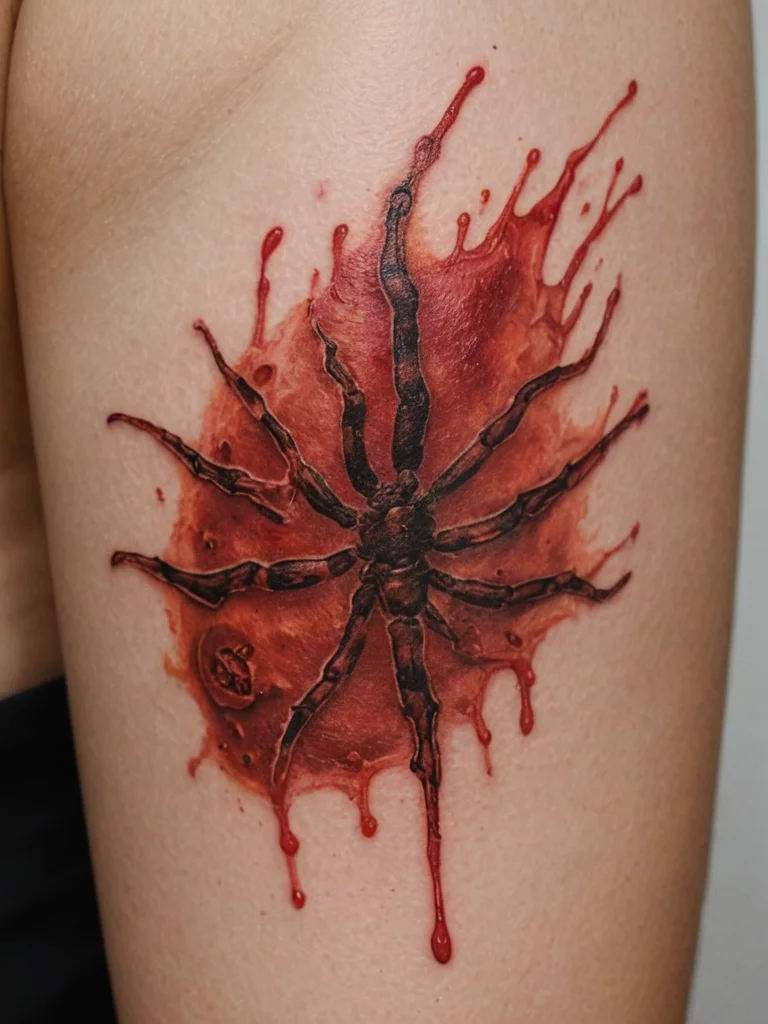
The most significant danger associated with diy tattoo kits is the risk of infection. These kits often lack proper sterilization equipment, and the instructions provided are frequently inadequate for ensuring a sterile environment. Even if you diligently follow the instructions, you may still be unknowingly introducing harmful bacteria into your skin.
Imagine your skin as a protective barrier, guarding your body against the outside world. When you tattoo, you’re essentially creating thousands of tiny puncture wounds, bypassing this barrier and creating direct pathways for bacteria, viruses, and fungi to enter your bloodstream. If the needles, ink, or your skin are not properly sterilized, you could contract a range of infections, from minor skin irritations to life-threatening conditions.
Some of the infections commonly associated with diy tattoos include:
- Staphylococcus (Staph) infections: These bacterial infections can cause painful skin abscesses, boils, and in severe cases, bloodstream infections (sepsis) that can be fatal.
- Streptococcus (Strep) infections: Similar to staph infections, strep can cause skin infections, cellulitis, and even necrotizing fasciitis (flesh-eating bacteria), a rapidly spreading infection that requires immediate medical attention.
- Hepatitis B and C: These viral infections attack the liver and can lead to chronic liver disease, cirrhosis, and liver cancer. They are transmitted through contaminated blood and are a significant risk when using unsterile tattoo equipment.
- HIV: Although less common, HIV can also be transmitted through contaminated needles.
- Tetanus: This bacterial infection affects the nervous system and can cause muscle stiffness, spasms, and even death. It’s crucial to ensure you are up-to-date on your tetanus vaccination before getting any tattoo, regardless of whether it’s done professionally or at home.
- Mycobacterium infections: These infections can cause skin nodules, ulcers, and abscesses that are difficult to treat.
Beyond infections, scarring is another common complication of diy tattoos. Inexperienced tattooers often apply too much pressure or use the wrong needle depth, leading to excessive trauma to the skin. This can result in keloid scarring (raised, thickened scars), hypertrophic scarring (raised scars that stay within the boundaries of the original wound), or pitted scars. Scarring can distort the tattoo design and leave permanent blemishes on your skin.
Allergic reactions to tattoo ink are also a concern, particularly with diy kits where the ink composition is often unknown or unregulated. Some inks contain heavy metals or other allergenic substances that can trigger skin rashes, itching, swelling, and even anaphylaxis (a severe, life-threatening allergic reaction). Black and red inks are particularly known for causing allergic reactions.
Furthermore, the lack of proper aftercare instructions in diy kits can contribute to complications. Proper aftercare is essential for preventing infection and promoting healing. Ignoring these guidelines can increase the risk of inflammation, scarring, and ink fading.
It’s also important to consider the potential for psychological distress associated with a poorly executed diy tattoo. Regret, shame, and embarrassment are common emotions experienced by individuals who are unhappy with their diy tattoo results. This can lead to anxiety, depression, and a decreased sense of self-worth.
Legal and ethical implications: why performing diy tattoos is wrong
While the health risks of diy tattoos are paramount, the legal and ethical implications should also be carefully considered. In many jurisdictions, tattooing without a license is illegal and can result in fines or even jail time. These laws are in place to protect public health and ensure that tattoo artists meet certain standards of training and hygiene.
Think of it this way: licensed tattoo artists have undergone rigorous training and inspection to ensure they meet safety standards. They operate in regulated environments where their equipment and procedures are subject to scrutiny. Diy tattoo artists, on the other hand, operate outside of these regulations, posing a risk to themselves and anyone they tattoo.
Even if you are only tattooing yourself, you may still be violating local laws. The act of tattooing, regardless of who the recipient is, is often considered a regulated activity. Check your local regulations carefully before attempting any diy tattoos.
Beyond the legal aspects, there are also ethical considerations. Performing a tattoo requires a certain level of skill, knowledge, and responsibility. A licensed tattoo artist has a duty of care to their clients, ensuring their safety and well-being. Diy tattoo artists often lack the necessary expertise to provide this level of care, potentially putting their clients at risk.
Consider the power dynamic involved in tattooing. The person receiving the tattoo is placing their trust in the person performing it. A responsible tattoo artist will take this trust seriously, ensuring that the client is fully informed about the risks and benefits of the procedure, and that they are comfortable with the design and placement of the tattoo. Diy tattoo artists may not have the experience or knowledge to handle these responsibilities appropriately.
Furthermore, tattooing someone without their informed consent is a serious ethical violation. This can occur if the person is under the influence of drugs or alcohol, or if they are not fully aware of the permanent nature of the tattoo. A responsible tattoo artist will always ensure that their clients are capable of making informed decisions before proceeding with the tattoo.
It’s also important to consider the impact of diy tattoos on the professional tattooing industry. Licensed tattoo artists invest significant time and money in their training, equipment, and studio space. Diy tattoos undermine their profession and create unfair competition. By choosing to get a tattoo from a licensed artist, you are supporting a legitimate business and contributing to the growth of a thriving art form.
Spotting a fake: how to identify unsafe and unsterile tattoo equipment sold online
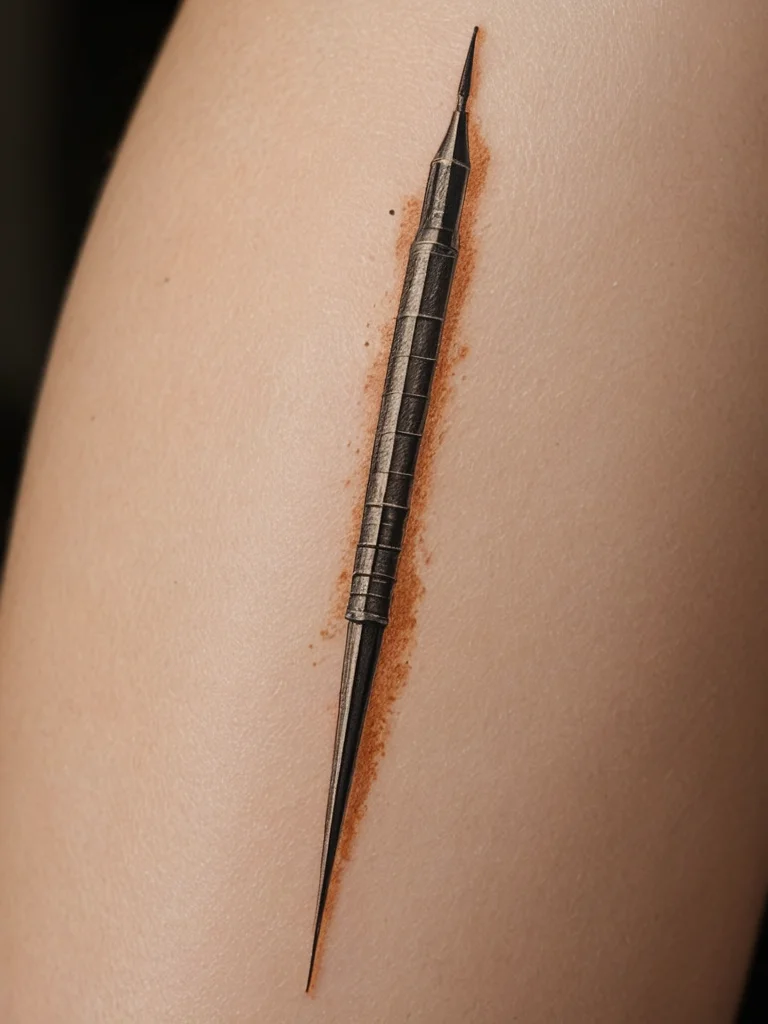
The internet is flooded with diy tattoo kits, making it difficult to distinguish between legitimate products and potentially dangerous counterfeits. Many of these kits contain substandard equipment that can pose serious health risks. Learning how to identify these unsafe kits is crucial to protecting yourself from harm.
First and foremost, pay close attention to the price. If a tattoo kit seems too good to be true, it probably is. High-quality tattoo equipment is expensive, and legitimate suppliers will not drastically undercut their prices. Be wary of kits that are significantly cheaper than those sold by reputable retailers.
Examine the packaging and labeling carefully. Look for any signs of tampering, such as broken seals or damaged boxes. Check the expiration dates on the ink bottles and make sure they are not expired. The packaging should also include clear and accurate information about the manufacturer, ingredients, and sterilization methods.
Inspect the needles closely. They should be individually packaged and sterilized, with a clear indication of the sterilization method used (e.g., ethylene oxide gas). The needles should be sharp and free from any defects. Avoid kits that contain loose needles or needles that appear to be dull or bent.
Pay attention to the quality of the tattoo machine. It should be well-constructed and made from durable materials. The machine should operate smoothly and quietly, without any excessive vibrations or overheating. Avoid kits that contain flimsy or poorly made machines, as these are more likely to malfunction and cause injury.
Check the ink bottles for any signs of leakage or contamination. The ink should be a consistent color and consistency, without any lumps or sediment. Avoid kits that contain ink bottles that are unsealed, damaged, or filled with a suspicious-looking liquid.
Read online reviews and testimonials carefully. Look for any complaints about the quality of the equipment, the safety of the ink, or the customer service provided by the seller. Be wary of reviews that seem overly positive or generic, as these may be fake.
Research the manufacturer of the tattoo kit. Check their website and look for any information about their quality control procedures, sterilization methods, and customer support. Avoid kits from manufacturers that are unknown or have a poor reputation.
Trust your instincts. If something about a tattoo kit seems suspicious or unsafe, don’t buy it. It’s better to err on the side of caution and invest in a professional tattoo from a reputable artist.
Remember, the safety and quality of your tattoo depend on the equipment used. Don’t compromise your health by purchasing a cheap and potentially dangerous diy tattoo kit.
Safe alternatives: how to find a reputable tattoo artist and studio near you
If the idea of getting a tattoo still appeals to you, the safest and most responsible approach is to seek out a reputable tattoo artist and studio. This ensures that you receive a high-quality tattoo in a clean, sterile environment, minimizing the risk of infection, scarring, and other complications. Finding the right artist and studio requires careful research and consideration.
Start by asking for recommendations from friends, family, or colleagues who have tattoos. Their personal experiences can provide valuable insights into the quality of the artists and studios in your area. You can also search online directories and review websites to find tattoo studios near you.
When researching tattoo studios, pay attention to their online reputation. Read reviews carefully and look for any patterns of complaints or concerns. A reputable studio will have mostly positive reviews and a strong online presence.
Visit the tattoo studios in person to assess their cleanliness and professionalism. The studio should be clean, well-lit, and organized. The artists should be friendly, knowledgeable, and willing to answer your questions. Observe their sterilization procedures and make sure they follow strict hygiene protocols.
Look for studios that use autoclaves to sterilize their equipment. An autoclave is a medical-grade sterilizer that uses high pressure and steam to kill bacteria, viruses, and fungi. The studio should also use single-use needles and disposable ink caps to prevent cross-contamination.
Examine the artists’ portfolios carefully. Their portfolios should showcase a variety of tattoo styles and designs, demonstrating their skill and versatility. Pay attention to the quality of their line work, shading, and color blending. Choose an artist whose style aligns with your personal preferences.
Schedule a consultation with the artist you are considering. During the consultation, discuss your tattoo ideas in detail and ask any questions you may have. The artist should be able to provide you with helpful advice and guidance on design, placement, and aftercare.
Pay attention to the artist’s communication skills. They should be able to explain the tattooing process clearly and answer your questions patiently. A good artist will also be honest about the risks and limitations of the procedure.
Don’t be afraid to ask about the artist’s experience and training. A reputable artist will have undergone extensive training and apprenticeship, and will be knowledgeable about skin anatomy, sterilization techniques, and aftercare protocols.
Trust your instincts. If you feel uncomfortable or unsure about an artist or studio, don’t hesitate to walk away. It’s better to wait and find the right artist than to risk getting a poorly done or unsafe tattoo.
Remember, getting a tattoo is a permanent decision. Take your time, do your research, and choose a reputable artist and studio that you trust. The extra effort will be well worth it in the long run.