The allure of a new tattoo can be strong, especially during challenging times. For individuals undergoing chemotherapy, the desire to express themselves through body art or mark a significant milestone can be particularly appealing. However, the intersection of tattoos and chemotherapy is a complex one, requiring careful consideration and medical guidance. Getting a tattoo while undergoing or shortly after chemotherapy presents significant risks that must be understood and addressed. This article will explore these risks from a medical perspective, offering insights into how chemotherapy affects the body, the importance of consulting with your oncologist, and alternative options for self-expression during treatment.
Introduction: understanding the risks – why tattoos and chemotherapy don’t mix (initially)
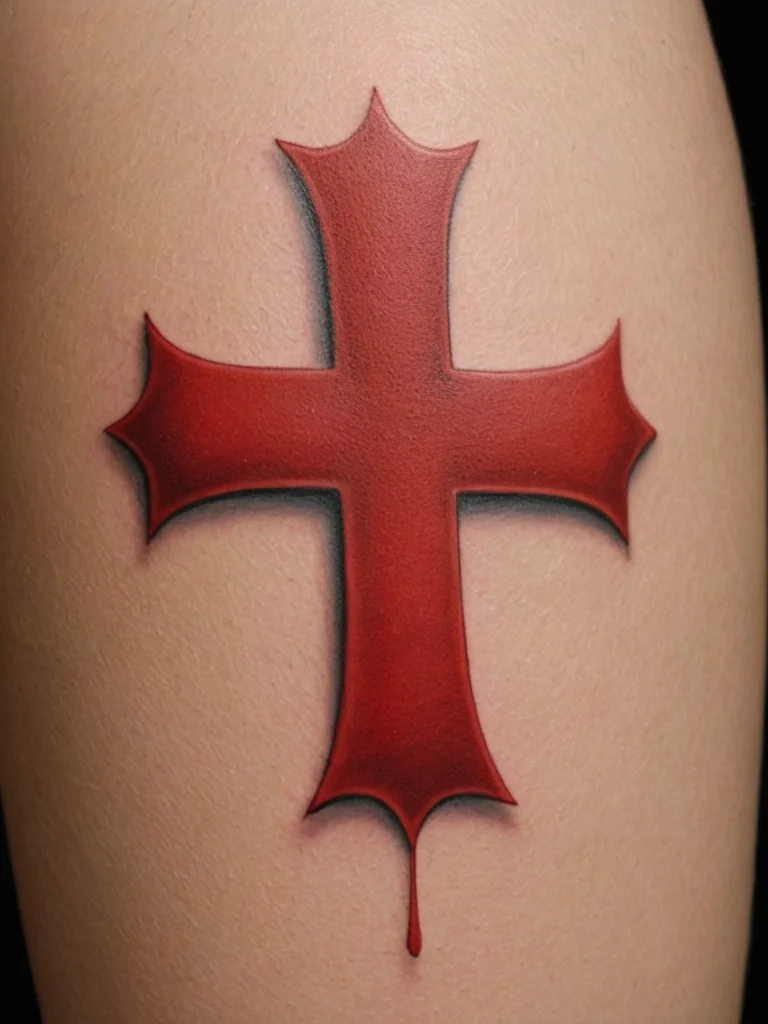
For many, tattoos are a form of personal expression, a way to commemorate an event, or simply an aesthetic choice. The process involves injecting ink beneath the skin, creating a permanent design. However, this process inherently disrupts the skin’s natural barrier, requiring the body’s immune system to kick in and initiate healing. Chemotherapy, on the other hand, significantly compromises the immune system, making the body more susceptible to infections and hindering its ability to heal properly. The combination of these two factors creates a potentially dangerous scenario.
The primary concern lies in the increased risk of infection. Chemotherapy drugs target rapidly dividing cells, which unfortunately include not only cancer cells but also healthy cells such as those in the bone marrow, which produce vital immune cells. This leads to a weakened immune system, making it harder for the body to fight off bacteria, viruses, and fungi that could enter through the broken skin during the tattooing process. What might be a minor infection in a healthy individual can become a serious, even life-threatening, complication for someone undergoing chemotherapy.
Beyond infection, impaired healing is another significant risk. Chemotherapy can slow down the body’s ability to repair tissue damage. This means that a tattoo, which normally heals within a few weeks, could take significantly longer to heal, leaving you vulnerable to infection for a prolonged period. Poor healing can also result in a distorted tattoo design, scarring, or other complications. Furthermore, some chemotherapy drugs can cause skin sensitivity or other skin reactions, which could be exacerbated by the trauma of tattooing.
It’s crucial to understand that these risks are not merely theoretical; they are based on the known effects of chemotherapy on the body and the potential complications associated with tattooing. While the appeal of getting a tattoo may be strong, prioritizing your health and well-being during and immediately after chemotherapy treatment is paramount. It’s important to weigh the potential benefits against the very real and significant risks involved.
Chemotherapy’s impact on your body: how it affects skin, immunity, and healing (and why that matters for tattoos)
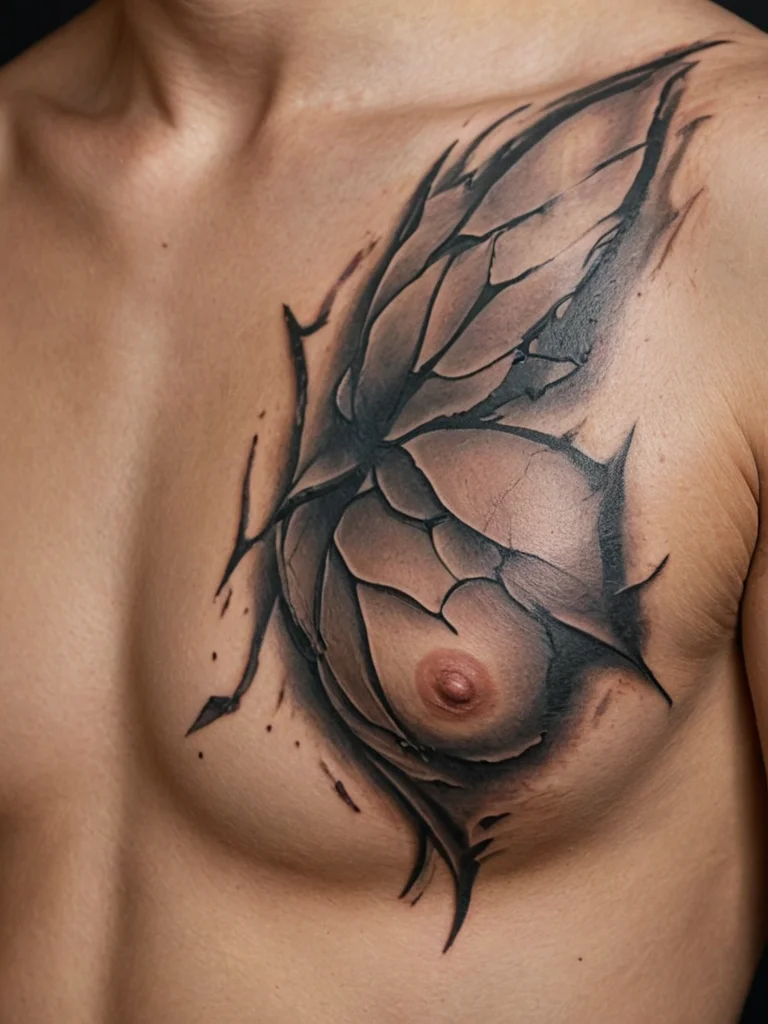
To fully grasp the risks associated with getting a tattoo during chemotherapy, it’s essential to understand how chemotherapy affects your body, particularly your skin, immune system, and ability to heal. Chemotherapy drugs are designed to target and destroy rapidly dividing cancer cells. However, these drugs also affect other rapidly dividing cells in the body, including those found in the bone marrow, hair follicles, and the lining of the digestive tract. This is what leads to many of the common side effects associated with chemotherapy.
The impact on the bone marrow is particularly relevant when considering tattoos. Bone marrow is responsible for producing white blood cells, which are the body’s primary defense against infection. Chemotherapy can suppress bone marrow function, leading to a condition called neutropenia, which is a deficiency of neutrophils, a type of white blood cell that plays a crucial role in fighting bacterial infections. With fewer neutrophils circulating in the bloodstream, your body is less able to ward off infections that could enter through the broken skin during tattooing. Even minor skin abrasions can become portals for bacteria to enter the body and cause serious illness.
Chemotherapy can also affect the skin directly. Some chemotherapy drugs can cause skin dryness, itching, rashes, and increased sensitivity to sunlight. These skin changes can make the tattooing process more uncomfortable and increase the risk of complications. The skin may be more prone to tearing or bleeding during the procedure, and the ink may not be absorbed evenly, resulting in a poorly defined tattoo. In addition, some chemotherapy drugs can cause a condition called hand-foot syndrome, which is characterized by redness, swelling, and pain in the palms of the hands and soles of the feet. This condition can make it difficult to care for a new tattoo and increase the risk of infection.
Furthermore, chemotherapy can impair the body’s ability to heal. The rapid cell division that is essential for wound healing is suppressed by chemotherapy drugs. This means that a tattoo, which normally heals within a few weeks, may take significantly longer to heal, leaving you vulnerable to infection for a prolonged period. Poor healing can also result in scarring, which can distort the tattoo design and lead to permanent skin damage. In some cases, delayed healing can even lead to the formation of keloids, which are raised, thickened scars that can be itchy and painful.
It’s also important to remember that the specific side effects of chemotherapy can vary depending on the type of drugs used, the dosage, and the individual’s overall health. Some people may experience more severe side effects than others. Therefore, it’s crucial to discuss your individual situation with your oncologist to understand the potential risks of getting a tattoo during or after chemotherapy.
The oncologist’s perspective: when, if ever, is it safe to get a tattoo during or after chemotherapy? (consulting your doctor)

The most important step you can take if you’re considering getting a tattoo during or after chemotherapy is to consult with your oncologist. They are the best source of information about your individual health status and the potential risks associated with tattooing. Your oncologist can assess your immune function, skin condition, and overall health to determine whether it is safe for you to undergo the procedure. They can also advise you on the timing of the tattoo, taking into account your chemotherapy schedule and any potential side effects.
Generally, oncologists advise against getting a tattoo during active chemotherapy treatment. The risks of infection and impaired healing are simply too high. However, in some cases, it may be possible to consider getting a tattoo after chemotherapy, once your immune system has recovered and your body is healing properly. The timing of this will vary depending on the type of chemotherapy you received, the duration of treatment, and your individual recovery rate.
Your oncologist will likely want to see evidence that your immune system has recovered sufficiently before giving you the green light for a tattoo. This may involve blood tests to check your white blood cell count, particularly your neutrophil count. If your neutrophil count is within the normal range, it indicates that your bone marrow is functioning properly and your immune system is strong enough to fight off infection. However, even if your neutrophil count is normal, your oncologist may still recommend waiting several more months to ensure that your immune system is fully recovered.
In addition to assessing your immune function, your oncologist will also want to examine your skin. Chemotherapy can cause long-term changes to the skin, such as dryness, sensitivity, and thinning. If your skin is still fragile or easily irritated, it may not be suitable for tattooing. Your oncologist may recommend using moisturizers or other topical treatments to improve your skin condition before considering a tattoo.
It’s important to be honest and open with your oncologist about your desire to get a tattoo. They can provide you with personalized advice and guidance based on your individual circumstances. Don’t be afraid to ask questions and express any concerns you may have. Remember, your oncologist’s primary goal is to protect your health and well-being.
Even if your oncologist approves of you getting a tattoo, it’s crucial to follow their instructions carefully and take all necessary precautions to minimize the risk of complications. This may involve choosing a reputable tattoo artist, following strict aftercare instructions, and monitoring for any signs of infection.
Minimizing risks: steps to take if you’re considering a tattoo after chemotherapy (choosing a reputable artist, aftercare, and monitoring for infection)
If your oncologist has given you the go-ahead to get a tattoo after chemotherapy, it’s essential to take steps to minimize the risk of complications. Choosing a reputable tattoo artist, following strict aftercare instructions, and monitoring for any signs of infection are crucial for a safe and successful tattoo experience.
Selecting a reputable tattoo artist is paramount. Look for an artist who is licensed, experienced, and has a strong reputation for hygiene and safety. Ask to see their portfolio and check online reviews to get a sense of their work quality and professionalism. Don’t hesitate to ask questions about their sterilization procedures, ink quality, and aftercare instructions. A reputable artist will be happy to answer your questions and address any concerns you may have.
Ensure that the tattoo studio is clean and well-maintained. The artist should use sterile equipment, including disposable needles, gloves, and other single-use items. The work area should be properly disinfected between clients. Observe the artist’s hygiene practices closely. They should wash their hands thoroughly before and after each tattoo, and they should wear gloves throughout the procedure. If you have any doubts about the studio’s hygiene standards, don’t proceed with the tattoo.
Following strict aftercare instructions is just as important as choosing a reputable artist. Your tattoo artist will provide you with specific instructions on how to care for your new tattoo. These instructions typically involve cleaning the tattoo gently with soap and water, applying a thin layer of antibiotic ointment or moisturizer, and keeping the tattoo covered with a bandage or protective film for the first few days. Avoid scratching or picking at the tattoo, as this can increase the risk of infection and scarring. Protect the tattoo from sunlight and harsh chemicals. Wear loose-fitting clothing to avoid irritating the skin.
Monitoring for any signs of infection is crucial. Even with the best precautions, there is always a risk of infection after getting a tattoo. Be vigilant for any signs of redness, swelling, pain, pus, or fever. If you notice any of these symptoms, seek medical attention immediately. Don’t try to treat the infection yourself. Your doctor may prescribe antibiotics to clear up the infection. Early treatment is essential to prevent the infection from spreading and causing more serious complications.
It’s also important to be aware of the potential for allergic reactions to tattoo ink. Some people may develop an allergic reaction to certain pigments in the ink, which can cause itching, swelling, and redness around the tattoo. If you suspect that you’re having an allergic reaction, consult with your doctor. They may recommend antihistamines or corticosteroids to relieve the symptoms.
Finally, remember that getting a tattoo is a permanent decision. Take your time to choose a design that you love and that is meaningful to you. Don’t rush into the process. Research different tattoo styles and artists to find someone who is a good fit for you. Be patient with the healing process. It can take several weeks for a tattoo to heal completely. With proper care and attention, you can enjoy your new tattoo for many years to come.
Alternative forms of body art: temporary options and non-invasive ways to express yourself during treatment (henna, makeup, and jewelry)

While the risks associated with permanent tattoos during or shortly after chemotherapy are significant, there are many alternative forms of body art that allow you to express yourself without compromising your health. These temporary options provide a safe and creative outlet during treatment, allowing you to explore different styles and designs without the commitment and potential complications of a traditional tattoo.
Henna tattoos are a popular and ancient form of body art that involves applying a paste made from the henna plant to the skin. The paste stains the skin a reddish-brown color, creating intricate and beautiful designs. Henna tattoos are temporary, typically lasting for one to three weeks. They are a safe and natural alternative to traditional tattoos, as they do not involve piercing the skin. However, it’s important to use natural henna, as some commercial henna products contain chemical additives that can cause skin irritation or allergic reactions. Look for henna that is made with pure henna powder, water, and essential oils. Avoid black henna, which often contains a chemical dye called paraphenylenediamine (PPD) that can cause severe skin reactions.
Makeup can also be used to create temporary body art. With the right products and techniques, you can create stunning and elaborate designs on your skin. Body paint, airbrush makeup, and temporary tattoos are all great options for creating temporary body art. These products are readily available at most drugstores and beauty supply stores. Be sure to choose products that are hypoallergenic and non-comedogenic to avoid irritating your skin. Practice your designs on a small area of skin before applying them to a larger area.
Jewelry is another great way to express yourself during chemotherapy. Statement necklaces, earrings, bracelets, and rings can add a touch of sparkle and personality to your look. Choose pieces that are comfortable and easy to wear. Avoid jewelry that is too heavy or constricting, as this can irritate your skin. Consider using magnetic clasps or adjustable straps to make it easier to put on and take off your jewelry. You can also use body jewelry, such as belly button rings or nipple rings, to express yourself. However, it’s important to make sure that the jewelry is made of a hypoallergenic material, such as surgical steel or titanium, to avoid allergic reactions.
Temporary tattoos are another fun and easy way to express yourself. These tattoos are applied to the skin with water and typically last for a few days. They come in a wide variety of designs and styles, from simple shapes to intricate patterns. Temporary tattoos are a great option for trying out different designs before committing to a permanent tattoo. They are also a fun way to celebrate special occasions or events.
Ultimately, the goal is to find a way to express yourself that is safe, comfortable, and enjoyable. There are many different options available, so don’t be afraid to experiment and try new things. Remember, your health and well-being are the most important things to consider during and after chemotherapy treatment. By exploring alternative forms of body art, you can find a way to express yourself creatively without compromising your health.