Few things cause as much anxiety for a tattoo collector as noticing their fresh artwork is no longer perfectly flat. When the initial redness subsides, and you start seeing the detail, discovering a raised texture—sometimes slightly puffy, sometimes sharply defined along the lines—can trigger immediate worry. Is this normal inflammation, or is your body rejecting the ink? Is this the start of a scar?
The short answer, which should immediately ease most of your concerns, is yes, it is absolutely normal for a healing tattoo to have a raised look. This raising is a direct physical manifestation of the biological process required to encapsulate the pigment and repair the skin trauma. However, understanding the difference between normal temporary swelling and potential long-term complications is critical for peace of mind and proper aftercare.
1. Is a Raised Tattoo During Healing Normal? A Comprehensive Guide
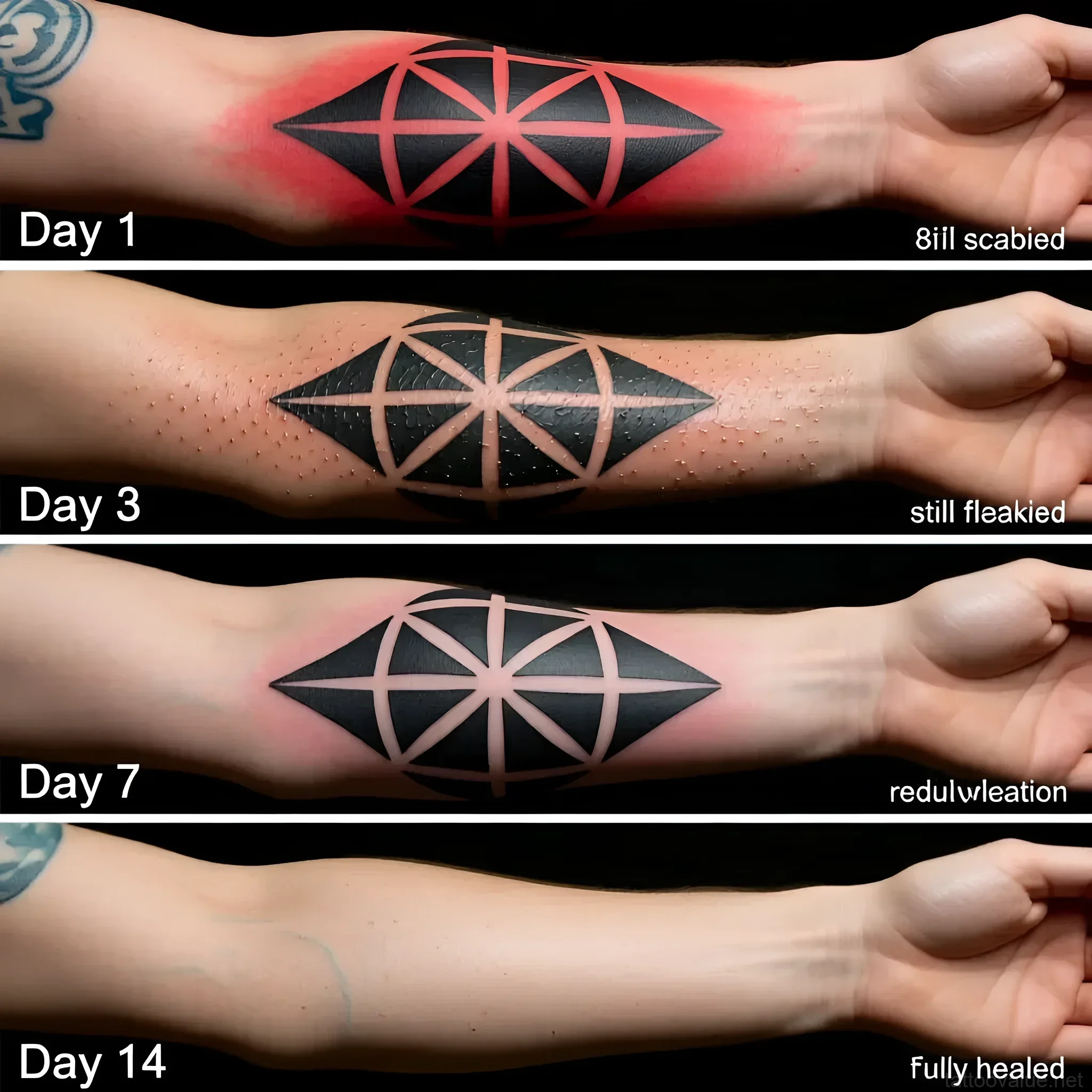
As a leading portal for tattoo culture, we want to provide clarity: a mild to moderate raised texture is a standard part of the initial healing phase. Think of the tattoo process not just as art application, but as a controlled wound. When the needle deposits ink into the dermis (the second layer of skin), the body immediately launches an immune response.
This response involves a cascade of events—inflammation, fluid accumulation, and the migration of repair cells—all of which cause the skin to temporarily swell and elevate. This elevation usually lasts for the first week, sometimes peaking around days 3–5, before gradually receding.
The Timeline of Normal Raising:
- Days 1–3 (Acute Inflammation): The tattoo is red, hot, sore, and noticeably raised. This is edema (swelling) from tissue fluid and blood plasma rushing to the area.
- Days 4–14 (Proliferation & Scabbing): The raised appearance might become more defined, often following the contours of the thickest lines or most saturated areas. This is due to the formation of scabs and the buildup of fibrin tissue.
- Weeks 3–6 (Maturation): The peeling phase ends, and the surface should begin to flatten significantly. Mild texture might persist, especially in large areas of color packing, but it should feel less puffy.
If your tattoo is raised but shows no excessive heat, spreading redness, or discharge (pus), it is usually just your body doing its job to heal the wound.
2. Understanding Tattoo Healing: The Stages & What to Expect
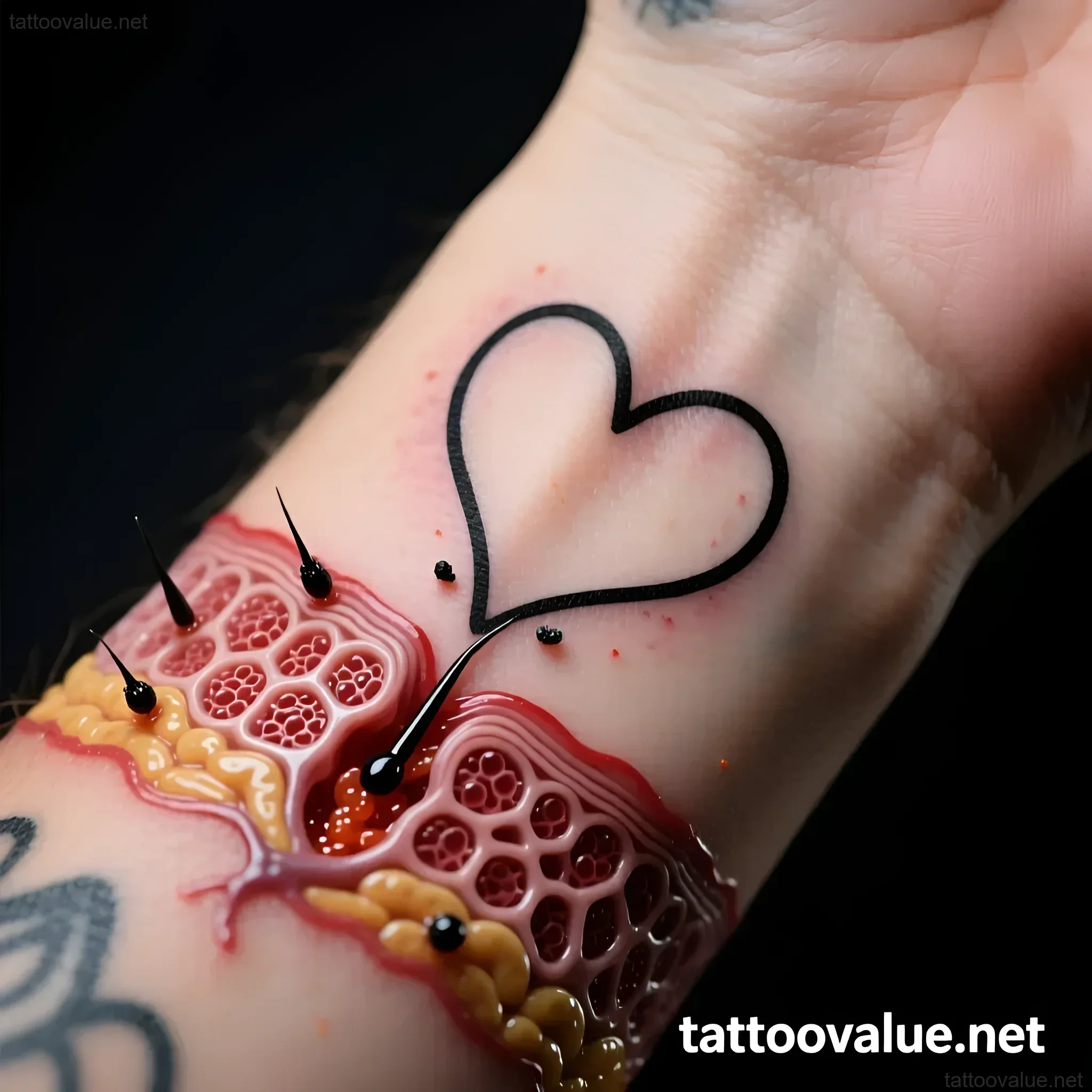
To fully appreciate why a tattoo raises, we must review the four crucial stages of wound healing, paying special attention to the first two:
Stage 1: Hemostasis and Inflammation (The Raising Starts)
Immediately after the tattooing session, the body triggers hemostasis to stop bleeding. Following this, the inflammatory phase begins. Immune cells (neutrophils and macrophages) flood the area to clear debris and foreign particles (including some excess ink). This influx of fluid and immune cells is medically known as edema, and it is the primary culprit behind the initially raised, puffy look.
Expert Insight: The depth of the needle penetration and the density of the ink deposits directly correlate with the severity of the initial inflammatory response. A heavy blackwork piece will almost always be more raised than a delicate fine-line design.
Stage 2: Proliferation (The Raising Becomes Defined)
During this stage (roughly days 4–21), the body starts rebuilding the damaged tissue. Fibroblasts migrate to the area and lay down collagen—the structural protein that gives skin its strength. Scab formation is part of this stage. If the artist was heavy-handed, or if the tattoo is heavily saturated, the scabs can be thicker, causing the skin immediately beneath and around them to look elevated and bumpy.
Stage 3 & 4: Maturation and Remodeling (The Flattening)
This long-term phase can last months or even years. Collagen fibers are reorganized, strengthened, and aligned. During this period, the raised texture should gradually flatten completely, leaving a smooth surface where the tattoo resides.
3. Why Does My Tattoo Feel & Look Raised? The Science Behind It
The physical sensation of a raised tattoo is not random; it is a complex biological signal. We can break down the causes into three main categories:
A. Dermal Trauma and Foreign Body Response
The tattoo machine introduces pigment particles into the dermis. The body views these particles as foreign invaders. Macrophages, the immune system’s cleanup crew, attempt to engulf and remove the pigment. Those macrophages that successfully engulf the ink become trapped in the dermal layer, locking the color in place.
- The Result: The concentration of these immune cells, along with the necessary collagen scaffolding being built around the ink, creates a thicker layer of tissue than the surrounding, untouched skin. This localized thickening causes the elevation.
B. Localized Edema and Lymphatic Drainage
Swelling is simply fluid retention. The lymphatic system works overtime to drain the excess plasma, inflammatory mediators, and cellular debris from the wound site. If lymphatic drainage is sluggish (perhaps due to poor circulation or tight clothing), the area remains engorged and raised for longer.
C. Scabbing and Fibrin Formation
A thick scab is essentially dried plasma and dead cells. A tattoo that develops thick, heavy scabs (often due to poor saturation technique, overworking the skin, or improper aftercare, like soaking the tattoo) will look significantly more raised than one that peels like a sunburn. When these scabs lift, they often leave behind a texture that can feel slightly raised or bumpy until the underlying skin fully smooths out.
Expert Tip: If only the thick outlines are raised, this is often a sign of deep pigment saturation in those specific areas. Outlines require more passes and deeper needle penetration than shading, leading to a more pronounced initial trauma response.
4. Distinguishing Normal Raised Healing from Potential Complications (Keloids & Hypertrophic Scarring)
While temporary raising is normal, persistent or severely raised skin warrants closer examination. The greatest fear is often scarring, specifically hypertrophic scars or keloids. It is vital to know the difference between these abnormal responses and standard healing.
Normal Healing vs. Scarring: A Comparison
| Symptom | Normal Raised Healing | Hypertrophic Scarring | Keloid Formation (Abnormal) |
|---|---|---|---|
| Timeline | Subsides within 4–6 weeks. | Develops within 4–8 weeks; persists for months, slowly improving. | Develops slowly (months); permanent unless treated. |
| Boundaries | Stays strictly within the tattoo lines. | Stays strictly within the tattoo lines. | Grows beyond the original tattoo boundary. |
| Appearance | Puffy/swollen; texture follows lines. | Red, thick, firm, and raised dramatically. | Shiny, dome-shaped, rubbery, often dark purple/red. |
| Symptom Severity | Mild discomfort, itching. | Can be itchy, sometimes painful or sensitive. | Often painful, intensely itchy, and restrictive. |
Understanding Hypertrophic Scarring
Hypertrophic scars are the most common form of abnormal scarring in tattoos. They result from an overproduction of collagen during the proliferation phase. This often happens if the skin was overworked (too many needle passes) or if the tattoo became infected or suffered significant trauma (like picking massive scabs). While noticeable and firm, these scars generally flatten and soften significantly over a period of 12 to 18 months.
Understanding Keloids
Keloids are genetically predisposed and less common. They are characterized by tissue that aggressively grows outside the original wound boundaries. If you have a known history of keloid formation, you should discuss this risk extensively with your artist and potentially consult a dermatologist before getting tattooed.
5. Optimal Aftercare to Minimize Raised Appearance & Promote Flat Healing
While some initial swelling is inevitable, excellent aftercare can significantly reduce the duration and severity of the raised look, guiding the skin toward a smooth, flat surface.
Managing Inflammation and Edema
The goal is to keep the area calm and clean without irritating the healing tissue:
- Gentle Cleaning: Use a mild, unscented soap and lukewarm water, twice daily. Do not scrub. Vigorously rubbing the tattoo can re-injure the dermal layer, restarting the inflammatory cycle and increasing the raised look.
- Moisturize Thinly: Applying a thick layer of ointment or lotion traps heat and moisture, which can prolong swelling and lead to heavy, soggy scabs. Use a minimal amount of approved, breathable moisturizer (like specialized tattoo balm or unscented lotion) only 2–3 times a day.
- Elevation (Where Possible): If the tattoo is on an extremity (ankle, foot, wrist), elevating the limb above heart level for the first 48 hours helps gravity assist lymphatic drainage, significantly reducing initial puffiness.
- Avoid Overheating: Excessive heat (hot tubs, saunas, intense exercise that causes profuse sweating) dilates blood vessels, increasing blood flow and swelling to the area. Keep the tattoo cool and dry.
A Note on Scab Management
The best way to minimize persistent textural issues is to prevent thick scabs from forming. If scabs do form, never pick or scratch them. Picking forcibly removes the developing collagen layer beneath, causing unnecessary trauma that almost guarantees a raised scar.
6. Placement & Tattoo Style: Do They Influence Raised Healing?
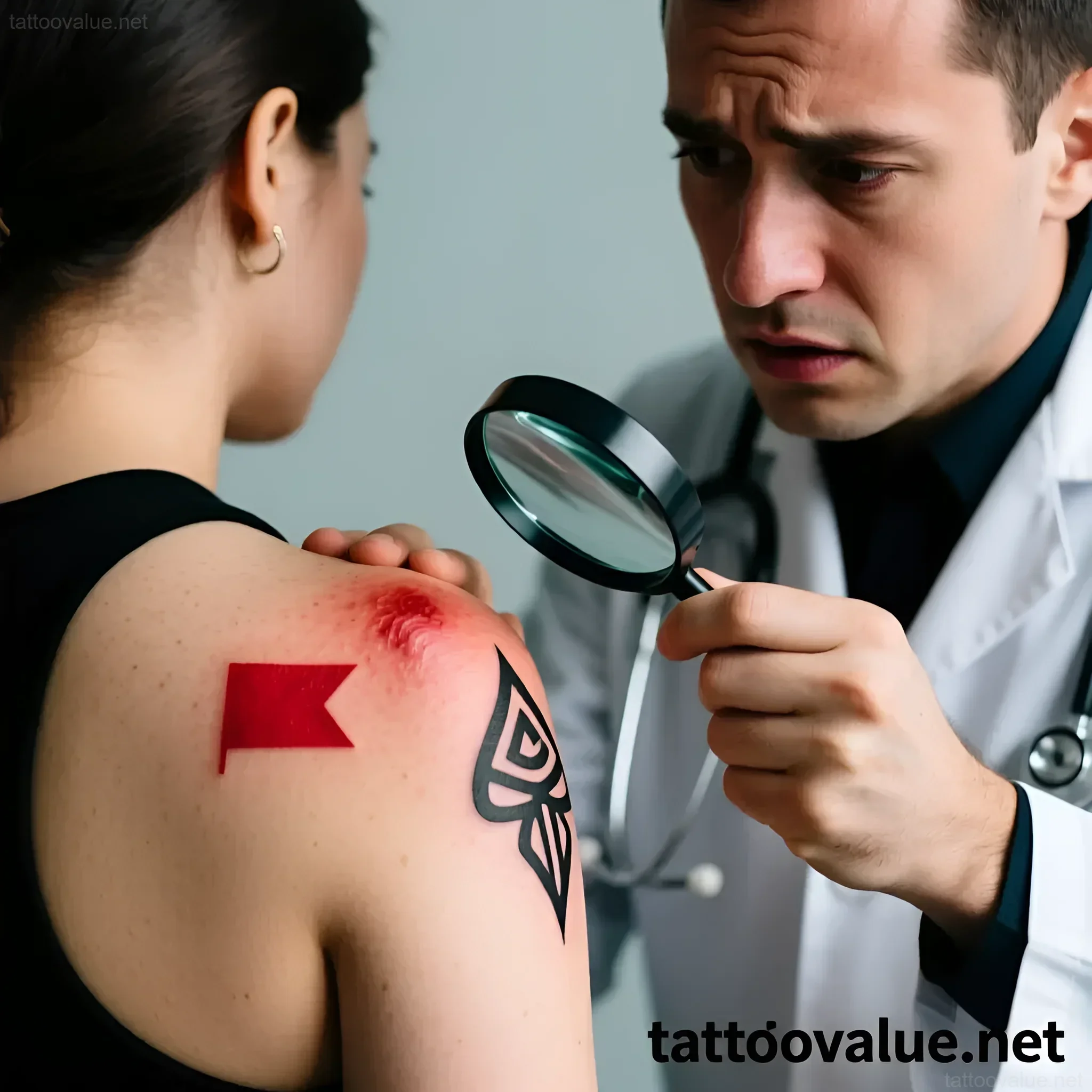
Absolutely. The location on the body and the technique used by the artist are major determinants of how much and how long a tattoo remains raised during healing.
Influence of Body Placement
Areas of the body prone to movement, friction, or poor circulation tend to show more prolonged swelling and raising:
- High Movement Areas (Elbow Ditch, Knees, Armpits): Constant stretching and compression irritate the healing wound, maintaining inflammation and swelling longer than static areas.
- Thin Skin Areas (Ribs, Inner Biceps, Feet/Ankles): Skin in these spots is more delicate and has less underlying fat/muscle padding to absorb the trauma, often leading to more immediate and pronounced raising.
- Areas of Fluid Accumulation (Lower Legs/Feet): Due to gravity, fluid naturally pools in the lower extremities. Tattoos here are almost guaranteed to be significantly raised and swollen for the first week.
Influence of Tattoo Style
The amount of skin trauma correlates directly with the style:
Styles Prone to Significant Initial Raising:
- Blackwork and Blackout: These styles require extremely dense saturation across large areas, necessitating many passes over the same skin, causing maximum trauma.
- Heavy Traditional/Neo-Traditional: Bold lines and dense color packing involve deeper penetration and more pigment, leading to a strong immune response and prolonged raising.
- Realism (Color or Black & Grey): While shading can be delicate, realism often involves complex layering and blending, requiring the artist to spend significant time working the same patch of skin.
Styles Prone to Minimal Raising:
- Fine Line and Single Needle: Less trauma, shallower penetration, and minimal saturation result in a healing process that often feels more like a mild abrasion than a deep wound.
- Dotwork/Whip Shading: These techniques deposit ink with less continuous damage to the dermal layer, leading to less swelling.
7. When to Consult a Doctor: Red Flags & Professional Advice
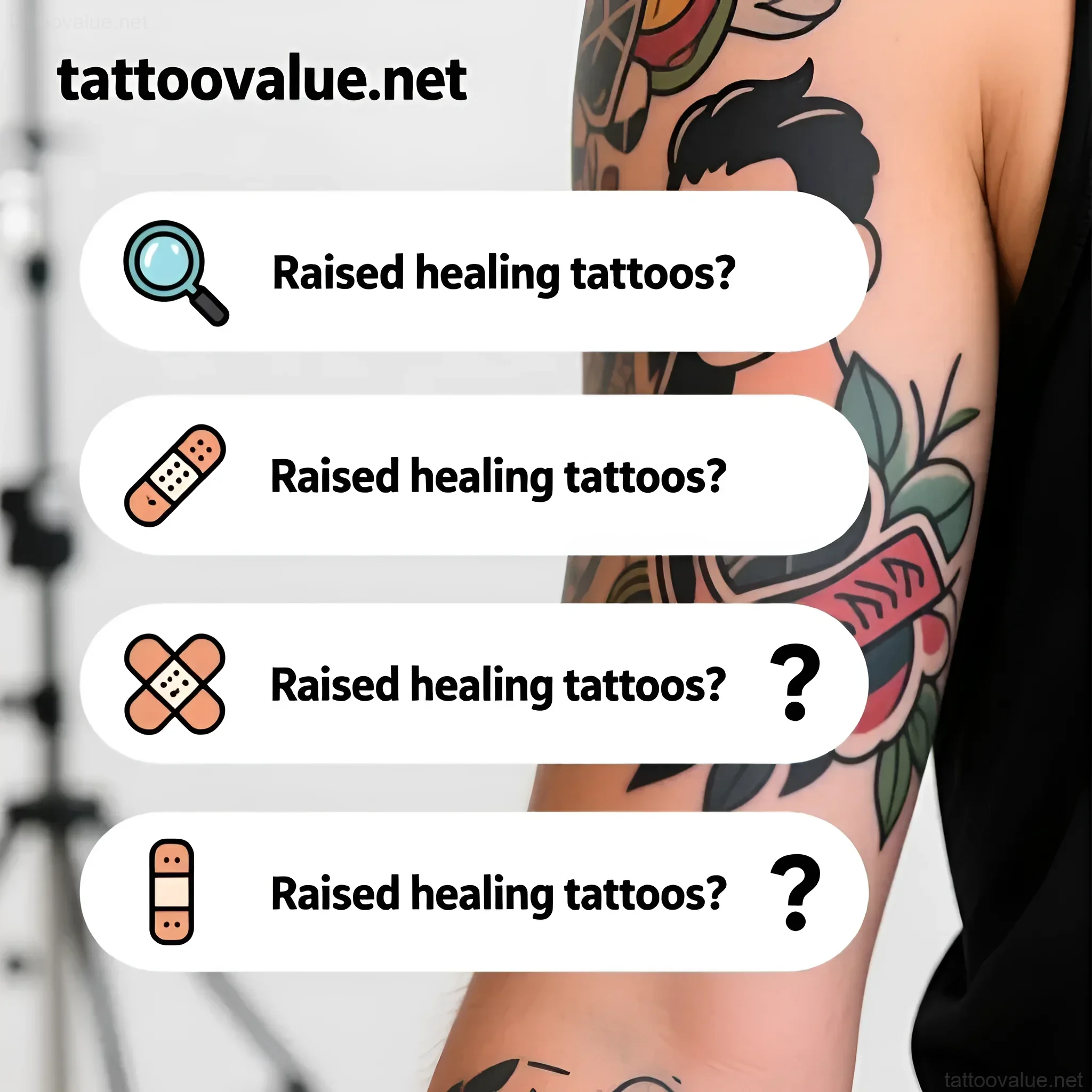
While we emphasize that mild raising is normal, you must remain vigilant for signs that the raising is pathological—that is, related to infection or a severe allergic reaction.
Critical Signs That Require Medical Intervention:
If the raised appearance is accompanied by any of the following symptoms, seek medical advice immediately:
- Fever or Chills: A systemic sign that the infection has entered your bloodstream (sepsis).
- Extreme, Throbbing Pain: Pain that worsens significantly over the first few days, is unresponsive to over-the-counter pain relief, and feels deeply throbbing or burning.
- Spreading Redness (Cellulitis): Redness that extends far outside the boundaries of the tattoo. Draw a line around the redness with a pen; if the redness spreads past that line within 24 hours, it is a serious sign of infection (cellulitis).
- Discharge/Pus: Thick, yellow, green, or foul-smelling discharge. Clear plasma is normal; pus is not.
- Persistent Raising After 6 Weeks: If the tattoo remains severely raised, firm, and uncomfortable well past the initial healing phase (6–8 weeks), consult a dermatologist to assess for hypertrophic scarring or keloid potential.
Remember, your tattoo artist is an expert in application and initial aftercare, but they are not medical professionals. If you suspect infection, prioritize your health and contact a primary care physician or dermatologist.
8. Frequently Asked Questions (FAQ) About Raised Healing Tattoos
Q: Is it normal for only the lines, but not the shading, to be raised?
A: Yes, this is extremely common. Outline work requires the artist to implant ink deeper and more densely to ensure permanence and crispness. This creates more targeted trauma than the lighter shading passes, resulting in the lines taking longer to flatten than the shaded areas.
Q: My tattoo is a week old, and the scabs are falling off, but the skin underneath is still slightly raised. Is this okay?
A: This is perfectly normal. The skin underneath the scab is newly formed (epithelialized) and still highly fragile. It is undergoing the remodeling phase, which involves intense collagen production. It may take several more weeks (up to 6) for this new skin layer to fully compress and match the surrounding texture.
Q: Can old, fully healed tattoos become raised again?
A: Yes, this phenomenon is often reported. If a fully healed tattoo suddenly becomes raised, it is usually a sign of a localized immune response. Common triggers include:
- Allergies: Reacting to environmental allergens or new products.
- Illness: When your immune system is fighting a cold, flu, or virus, it sometimes triggers an inflammatory response in areas containing foreign bodies (the tattoo pigment).
- Sun Exposure: Sunburn can cause the tattooed area to swell much more intensely than the surrounding skin.
Q: Does a raised tattoo mean it will be a scar?
A: Not necessarily. A temporarily raised tattoo is part of the normal inflammatory process. Scarring (hypertrophic or keloid) is a consequence of excessive, uncontrolled collagen production. If you follow proper aftercare and the raising subsides within the first month, the likelihood of permanent scarring is very low. Keep the area moisturized and protected from further trauma.