For anyone passionate about body modification, the history of tattooing is more than just an academic curiosity; it is the bedrock of our craft. When we look at the world’s oldest tattoos, we are not just observing artifacts; we are witnessing the genesis of human self-expression, medicine, and spiritual belief rendered in permanent pigment. These ancient markings, preserved by ice and arid sands, offer profound insights into why our ancestors chose to mark their skin, revealing practices far more sophisticated and intentional than often imagined.
Unearthing the Past: A Journey Through the World’s Oldest Tattoos
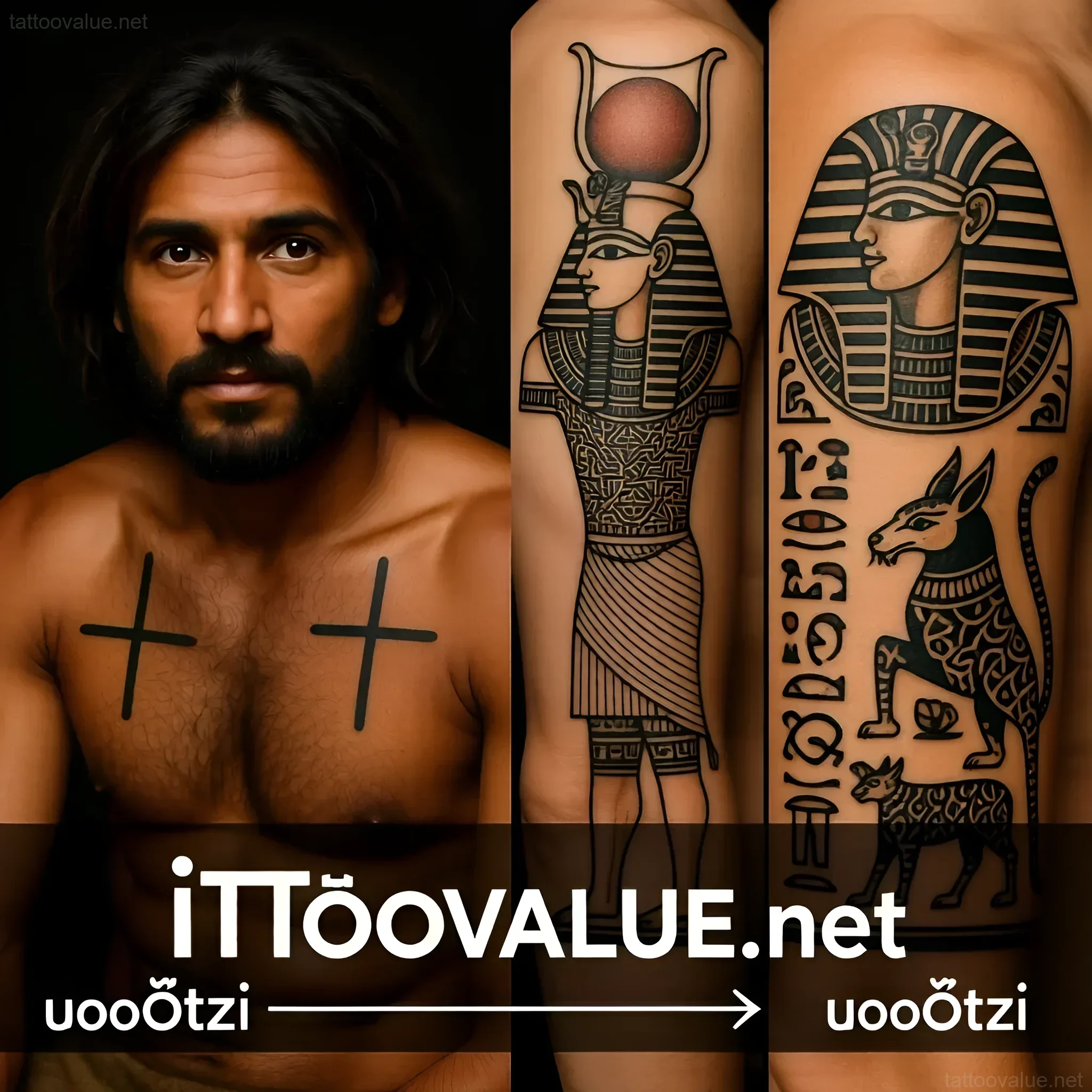
The quest to identify the oldest evidence of tattooing is a continuous archaeological process, often shifting based on new discoveries and advanced dating techniques. For decades, the title of the world’s oldest known tattooed human remains was held by the inhabitants of Ancient Egypt or the elaborate nomadic cultures of Siberia. However, a stunning discovery in 1991 irrevocably reset the timeline, pushing the documented history of tattooing back by nearly a millennium.
This pivotal figure is Ötzi the Iceman, discovered frozen in the Ötztal Alps on the border of Austria and Italy. Dated to approximately 3250 BCE, Ötzi’s body is a time capsule, offering undeniable proof that the practice of tattooing was deeply ingrained in European Neolithic culture. His markings are minimalistic, almost abstract, yet they speak volumes about the earliest known applications of ink.
The significance of these ancient finds lies not just in their age, but in their context. They demonstrate that tattooing was not a frivolous or purely aesthetic pursuit. It was intrinsically linked to survival, healing, social structure, and complex spiritual narratives, practices that resonate even with modern motivations for getting inked.
From Ötzi the Iceman to Ancient Egypt: A Historical Timeline of Early Tattooing
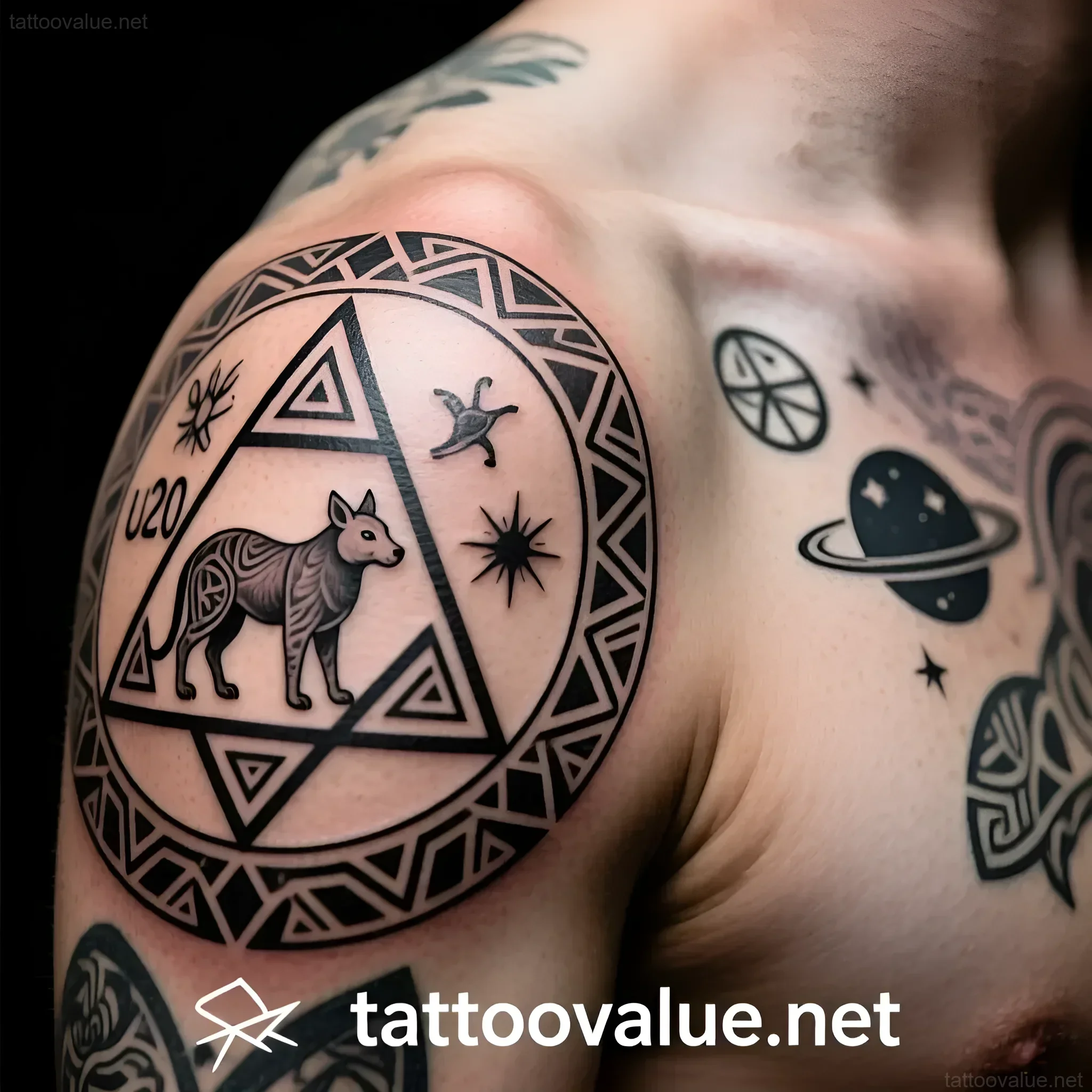
To truly appreciate the scope of ancient tattooing, we must examine the three primary archaeological sites that define this history:
1. Ötzi the Iceman (c. 3250 BCE)
Ötzi remains the undisputed champion of ancient ink. He bore 61 distinct tattoos, composed entirely of simple lines, crosses, and dots, clustered in small groups. Analysis confirmed these were created using carbon-based pigment (soot or ash) inserted into small, carefully made incisions.
- Location: Primarily concentrated around the lower spine, joints (wrists, ankles, knees), and the chest.
- Pattern Type: Non-representational, geometric groupings of parallel lines (often 2 to 4 lines long) and small crosses.
- The Healing Hypothesis: The placement of these markings often corresponds precisely to traditional acupuncture points used to treat chronic pain, particularly those associated with arthritis and degenerative conditions found in Ötzi’s body (especially in his knees and lower back). This suggests the earliest known tattoos were fundamentally therapeutic, a form of ancient medical intervention.
2. Predynastic Egypt (c. 3100 BCE)
While Ötzi is older, recent discoveries in Egypt have challenged the timeline for figurative tattooing. Until recently, the oldest Egyptian tattoos were found on female mummies from the Middle Kingdom (c. 2000 BCE), often priestesses of Hathor, like Amunet, whose body displayed horizontal lines and diamond patterns associated with fertility and protection.
However, excavations at Gebelein revealed two mummies, a male and a female, dating to 3100 BCE. The male mummy displayed dark smudges on his upper arm, which were confirmed to be a tattoo depicting a wild bull (aurochs) and a Barbary sheep. The female mummy featured S-shaped motifs on her shoulder, confirming that figurative tattooing existed in the Nile Valley concurrently with, or immediately after, Ötzi’s era, and was practiced by both sexes for symbolic, protective purposes.
3. The Pazyryk Culture (Siberia, 5th–3rd Century BCE)
The Pazyryk findings, particularly the remains known as the Siberian Ice Maiden (Princess Ukok) and the Pazyryk Warrior, represent a massive leap in stylistic complexity. Preserved by permafrost in the Altai Mountains, these tattoos are not simple dots; they are highly detailed, narrative masterpieces reflecting the Scythian animal style.
- The Pazyryk Warrior: His body was covered in spectacular, interwoven zoomorphic designs, including a massive creature on his shoulder combining a griffin and a deer, flowing down his arm and across his chest.
- The Siberian Ice Maiden: Her arm featured a complex, stylized deer with exaggerated antlers terminating in floral motifs, symbolizing rebirth and the connection between the earthly and spirit worlds.
- Symbolism: These tattoos were undeniable markers of status, lineage, and spiritual power. They depicted mythological narratives and spirit guides essential for the nomadic journey in life and the afterlife.
Decoding the Symbolism: What Did the Oldest Tattoos Mean?
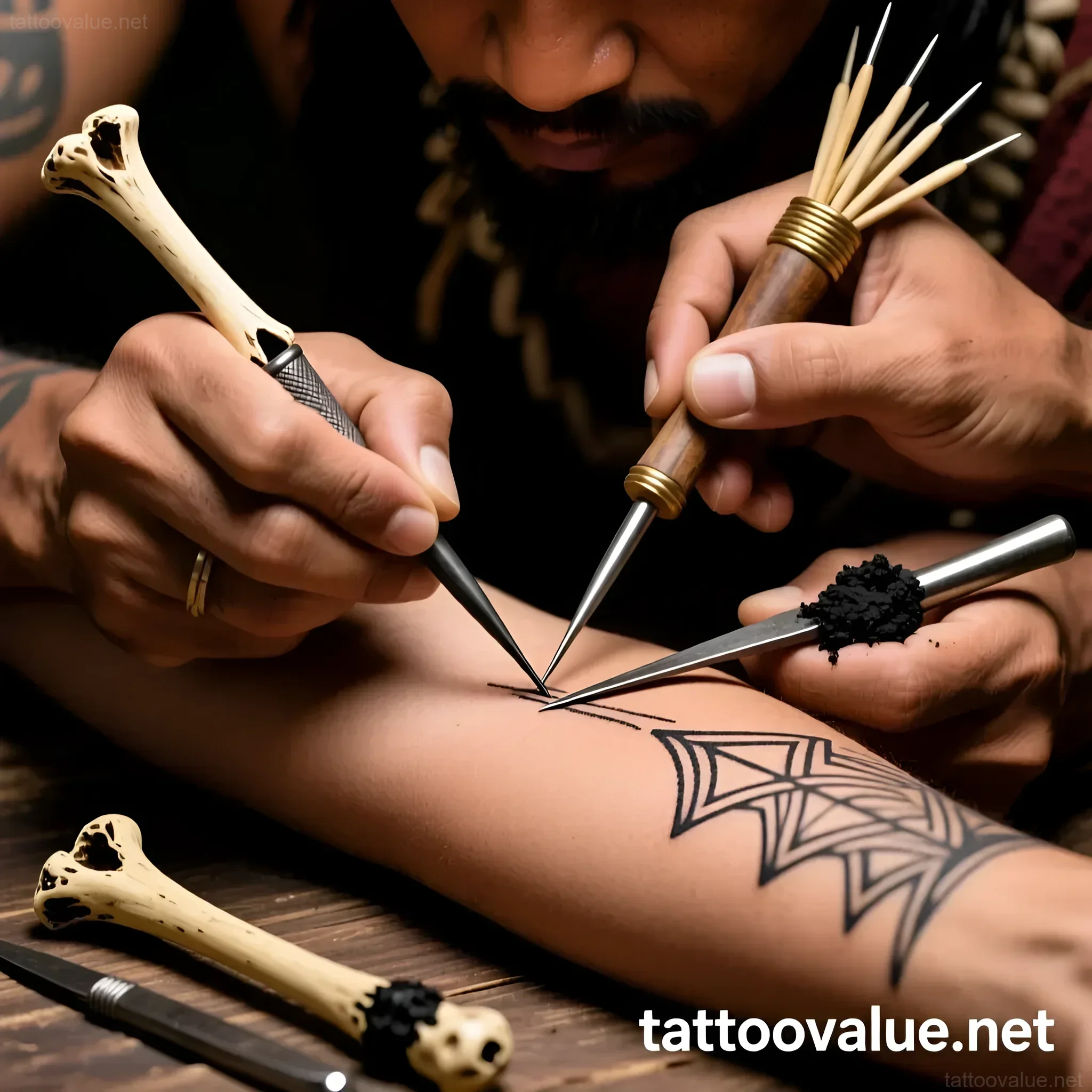
The meaning behind ancient tattoos varies drastically depending on the culture, but we can categorize the primary functions observed across the oldest remains:
Therapeutic and Curative Markings (The Ötzi Paradigm)
The most compelling interpretation of Ötzi’s 61 tattoos is their function as a medicinal practice. The simple line and dot patterns were not placed randomly; they targeted areas of physical distress. This is perhaps the most humbling realization: the earliest documented use of tattooing was as a form of healing, using pigment insertion to stimulate specific pressure points.
- The Crosses: Often placed directly over joints or areas of localized pain, suggesting a form of focused counter-irritation or ritualized healing.
- The Parallel Lines: Found along the lumbar region and lower legs, corresponding to pathways utilized in modern-day traditional Chinese medicine (TCM) for chronic ailments.
Spiritual Protection and Fertility (The Egyptian Context)
In Ancient Egypt, particularly among women, tattoos served as powerful amulets. The placement (often on the abdomen, thighs, and breasts) and the imagery confirm this intent:
- Net and Diamond Patterns: These designs, often found on the torso, are thought to represent the protective netting used during childbirth or the concept of eternal life and regeneration.
- Besz Tattoos: Later Egyptian tattoos often featured the dwarf god Bes, the protector of women and children, meant to guard the wearer during pregnancy and labor. The tattoos acted as permanent, internalized prayers for safe passage.
Status, Lineage, and Mythological Narrative (The Pazyryk Style)
The Pazyryk tattoos were the antithesis of Ötzi’s simplicity. They were large, complex, and highly visible, serving as a permanent identity marker in a hierarchical nomadic society. These tattoos were the individual’s spiritual passport and curriculum vitae.
- Zoomorphic Designs: The use of powerful animals (tigers, deer, eagles, mythical creatures) signified tribal affiliation, personal totems, and the wearer’s mastery over nature or status within the warrior class.
- Interwoven Narratives: The complex, flowing style (often referred to as the ‘Scythian animal style’) suggested an ongoing narrative, perhaps linking the wearer to heroic ancestors or specific spiritual journeys. They were designed to be recognizable identifiers in the afterlife.
Techniques of the Ancients: How Were Early Tattoos Applied?
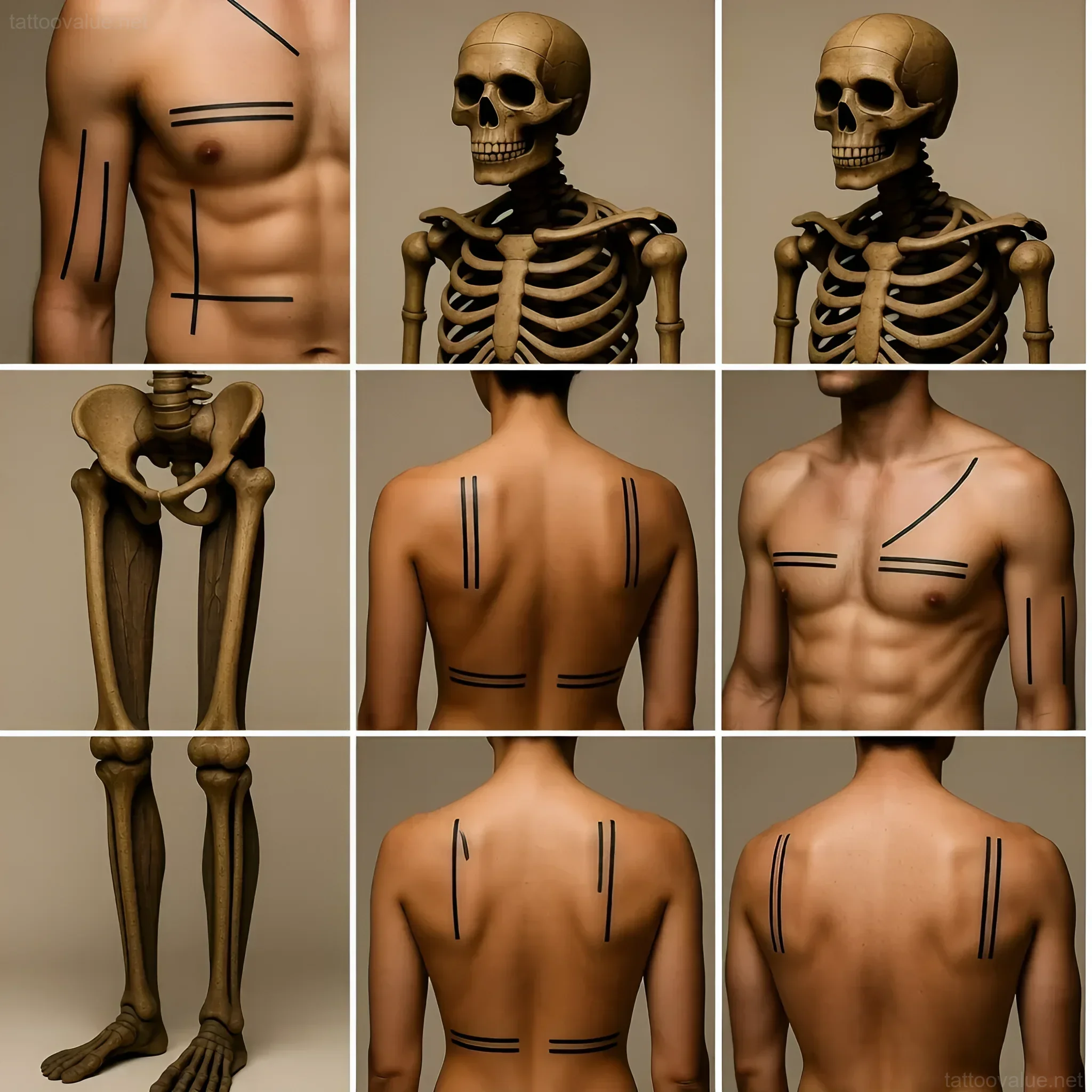
The methods used by ancient tattooists were remarkably effective, often relying on simple, durable tools and materials that were readily available in their environment. The technique depended heavily on the desired result—precision for therapeutic dots versus broad coverage for status symbols.
The Poking and Incision Method (Ötzi)
Ötzi’s tattoos were not created by the continuous needle puncture technique common today. Instead, analysis suggests a meticulous process of incision:
- Tool: A sharp, fine tool, likely a sharpened bone splinter, flint blade, or possibly a needle made of copper (given his possession of a copper axe).
- Process: The skin was likely cut or incised precisely along the desired line or dot. Pigment (finely crushed charcoal or soot) was then rubbed into the open wound. This method ensures deep, permanent penetration, resulting in the slightly blurred, deep blue-black markings visible on Ötzi today.
The Raking and Tapping Method (Likely Pazyryk and later Tribal)
For the large, shaded areas and complex designs found on the Pazyryk remains, a single-point incision would have been prohibitively time-consuming. While the exact tools are lost, it is hypothesized that they used a method involving:
- Tool: A comb-like instrument (a rake) or a bundle of sharpened bone or antler needles, attached to a handle.
- Process: The tool would be dipped in pigment and then tapped or struck into the skin using a mallet. This method allows for faster application and the creation of broader, filled areas, essential for the intricate zoomorphic designs.
The Pigments of Permanence
Across nearly all ancient tattooed remains, the pigment used is carbon-based. This is crucial because carbon (soot, ash, charcoal) is chemically inert and extremely stable, ensuring the mark lasts thousands of years. Other potential additives included:
- Iron Oxides: Used to add reddish or brownish hues, though carbon black dominates the earliest finds.
- Plant Extracts: Though less stable over millennia, certain plant materials may have been used for color, mixed with binders like water, animal fat, or plant oils.
Where Did They Ink? Common Placement Areas in Ancient Tattooing
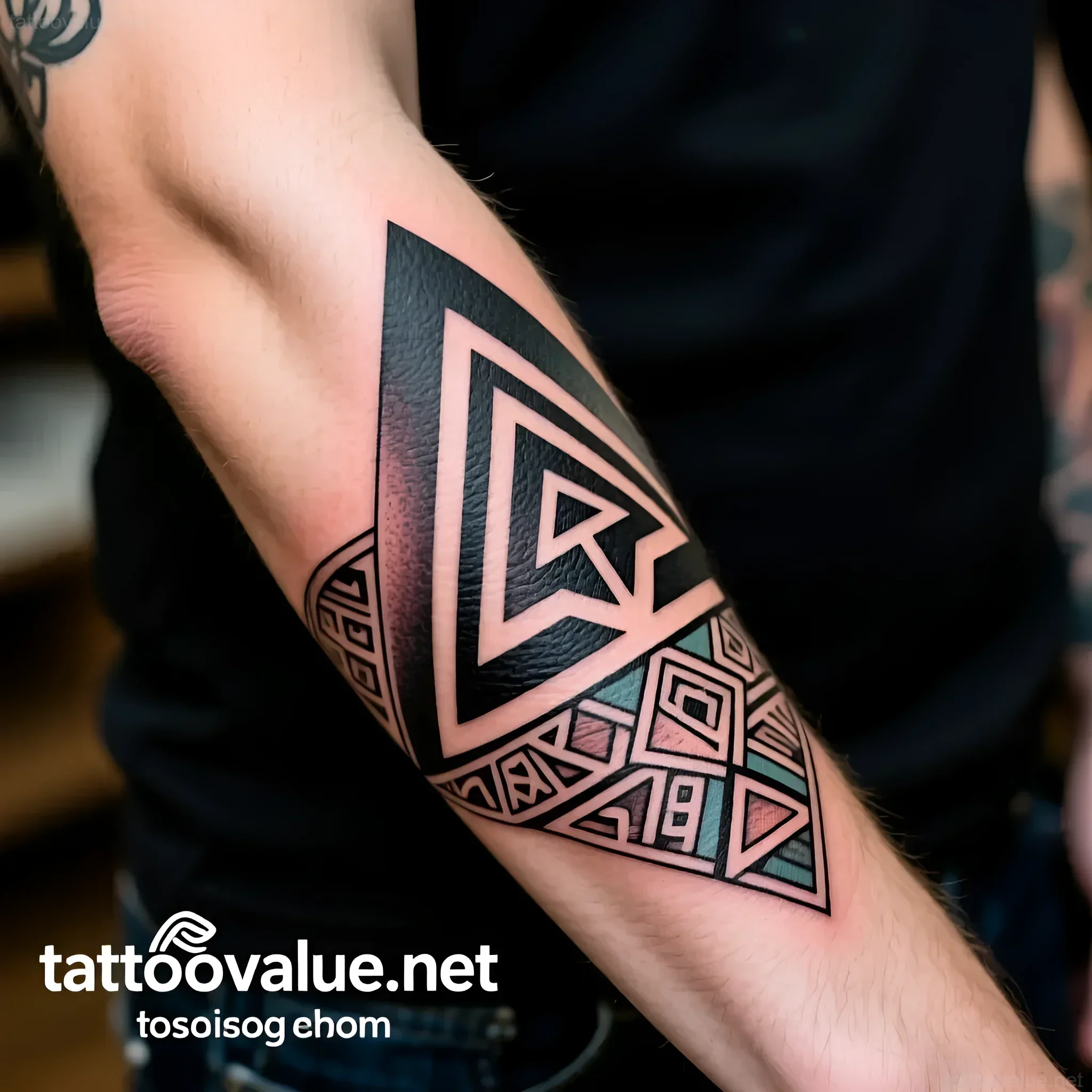
Placement was never arbitrary in ancient tattooing; it was dictated by function, visibility, and spiritual purpose. Understanding where the ink was placed helps us decode the intention behind the mark.
1. Therapeutic Zones (Ötzi’s Placement)
For therapeutic marks, placement was functional rather than aesthetic:
- Lower Back and Lumbar Region: The highest concentration of marks, directly targeting areas of chronic skeletal stress.
- Joints: Wrists, ankles, and knees, often afflicted by age and strenuous activity. These placements suggest a direct attempt to mitigate pain associated with mobility.
2. Protective and Ritual Areas (Egyptian Placement)
Egyptian tattoos focused on areas related to life, birth, and divine connection:
- Abdomen and Thighs: Crucial areas for fertility and protection during childbirth, emphasizing the ritualistic role of the markings.
- Upper Arms and Shoulders: For figurative tattoos like the bull and sheep, placement here offered high visibility, likely signaling status or devotion to specific deities or totems.
3. High-Status and Narrative Display (Pazyryk Placement)
The Pazyryk culture used tattoos as public declarations, requiring maximum visibility and coverage:
- Shoulders and Arms: The primary canvas for the largest, most detailed mythological scenes (e.g., the massive griffin-deer on the warrior’s shoulder). These were highly visible when dressed in lighter clothing or during ritual displays.
- Legs and Chest: Used to continue the narrative flow, creating a full-body spiritual armor that ensured recognition and power in the physical and spiritual realms.
Preservation & Discovery: How We Know About Ancient Tattoos (and the Challenges)
The survival of skin tissue bearing tattoos over thousands of years is exceptionally rare, requiring specific, extreme environmental conditions. Our knowledge is entirely dependent on these fortunate, albeit grim, acts of preservation.
The Miracles of Preservation
Two primary mechanisms have protected the world’s oldest tattoos:
- Desiccation (Extreme Dryness): The arid desert climate of Egypt and Peru (where later, but still ancient, mummies like the Lady of Cao were found) naturally dehydrates the body quickly, preventing bacterial decay and preserving the skin structure.
- Cryopreservation (Extreme Cold): Freezing in ice or permafrost, as seen with Ötzi and the Pazyryk mummies, halts decomposition entirely. This offers the best quality of preservation, often retaining fine details of the designs and even the cellular structure of the skin.
Archaeological Challenges and Modern Techniques
Studying these ancient markings presents significant challenges:
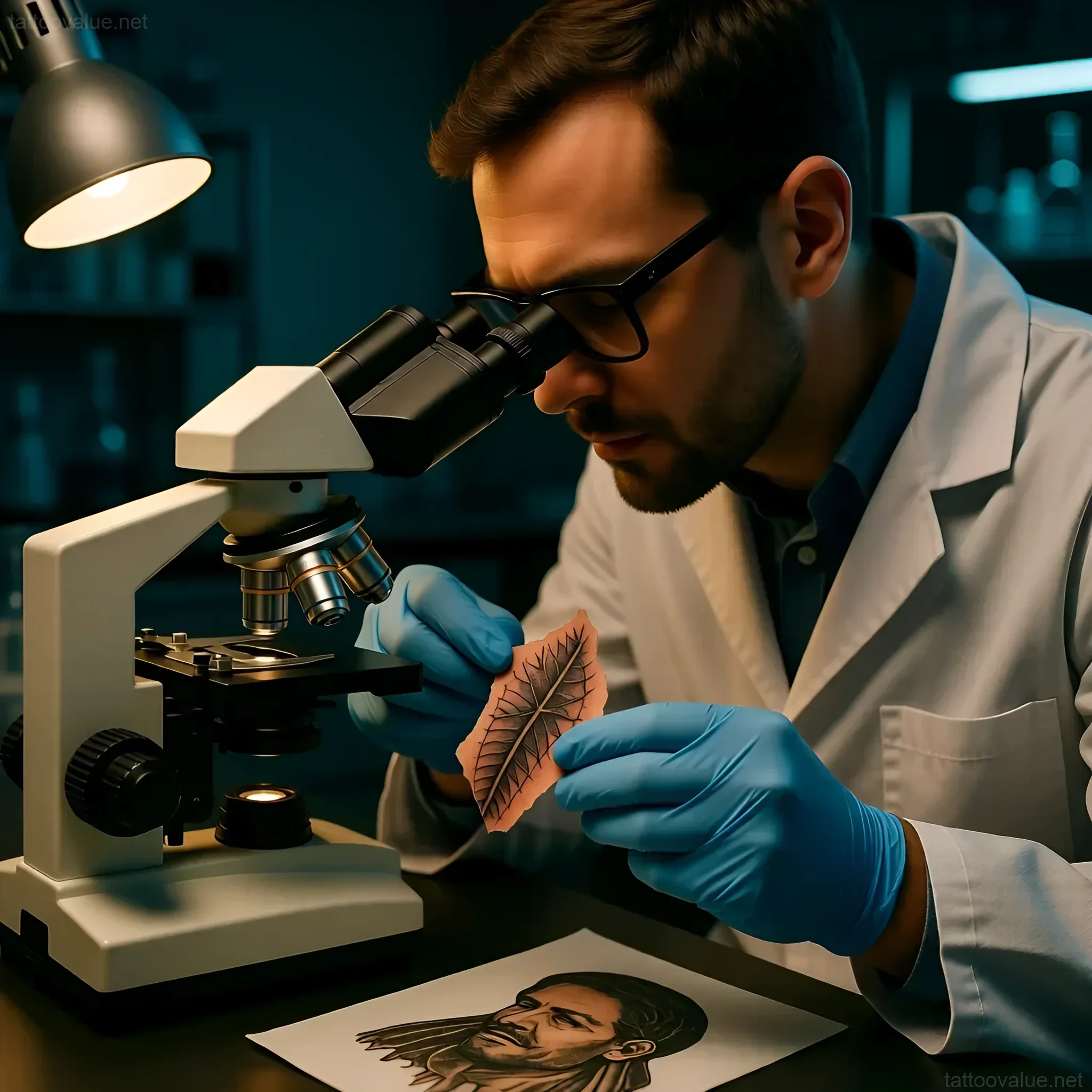
- Distinguishing Tattoos from Markings: A key challenge is confirming whether a dark smudge is a true tattoo (pigment deliberately inserted into the dermis) or post-mortem staining, such as decomposition or embalming materials. Modern techniques like infrared photography and microanalysis are essential for confirming the presence of carbon pigment beneath the epidermal layer.
- Dating Limitations: While the remains themselves can be accurately carbon-dated, the relationship between tattooing practices in one region (e.g., the Alps) and another (e.g., Egypt) remains complex. We know what survived, but we don’t know who was tattooing earlier in environments where soft tissue decay was rapid.
- Ethical Considerations: The study of human remains, particularly those revered by modern indigenous groups (such as the Pazyryk findings), requires careful ethical consideration and non-invasive techniques.
Echoes of the Past: Modern Tattoo Styles Inspired by Ancient Designs
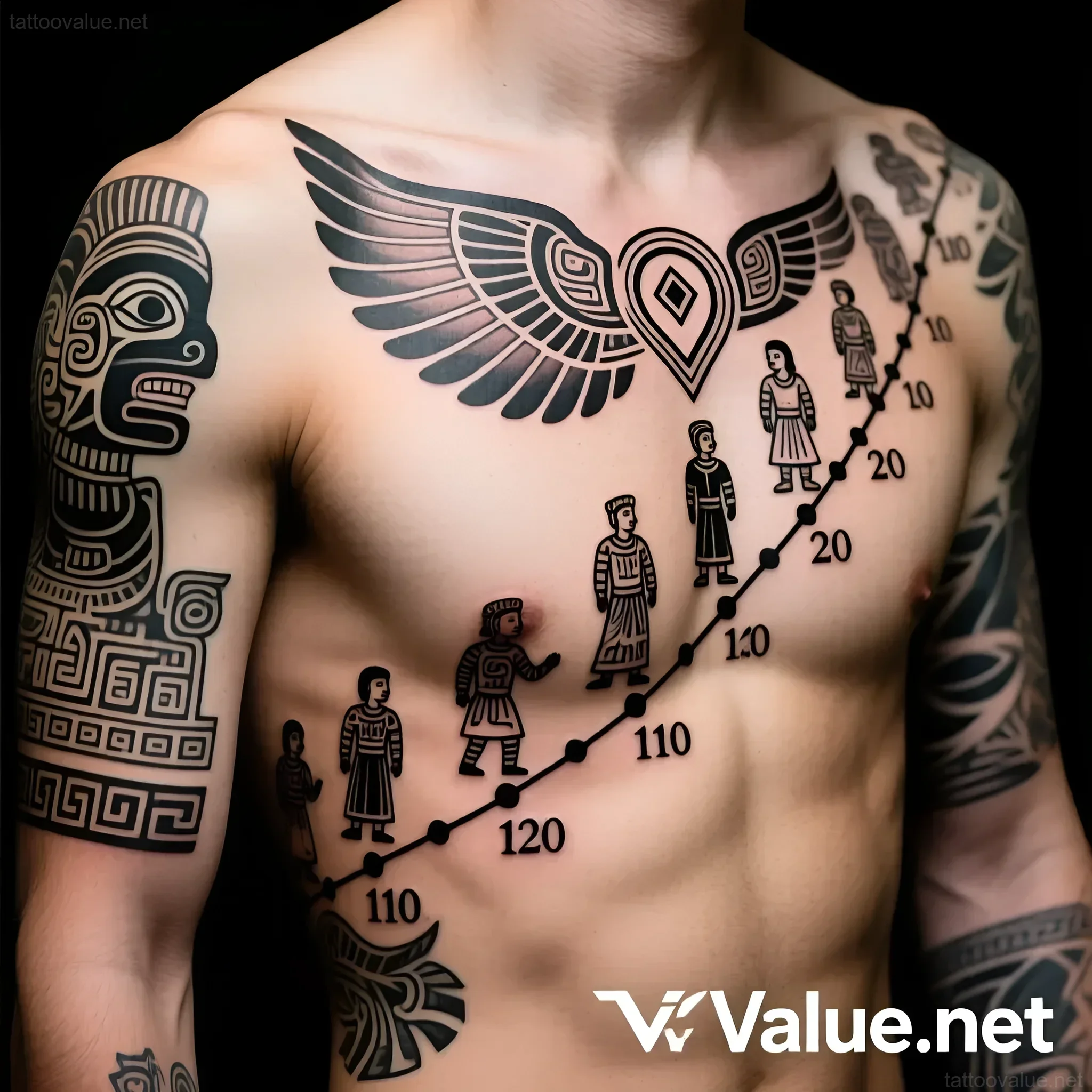
The legacy of the world’s oldest tattoos is not confined to museums; it actively informs contemporary tattoo art. Many modern styles draw direct inspiration from the minimalist symbolism of the Neolithic or the powerful narratives of the Iron Age nomadic tribes.
The Ötzi Influence: Minimalism and Fine-Line Geometry
The simplicity and functional placement of Ötzi’s marks are perfectly suited for several contemporary Western styles:
- Fine-Line Blackwork: Ötzi’s straight, parallel lines are the epitome of modern fine-line work—clean, precise, and often geometric. Clients seeking minimalist designs that carry deep, personal meaning often gravitate toward this aesthetic.
- Geometric Dotwork: The clusters of dots found on Ötzi can be mirrored in modern geometric dotwork, where patterns are used not just for decoration but to signify personal alignment, focus, or even therapeutic intention (such as mindfulness symbols or mandalas placed on specific body areas).
- The Intentional Placement Trend: Modern enthusiasts are increasingly aware of the connection between tattoos and wellness. Designs placed specifically over joints or along the spine, echoing Ötzi’s practice, are sought after for their symbolic link to resilience and healing.
The Pazyryk Influence: Narrative Neo-Tribal and Black and Grey Realism
The Pazyryk art style—dynamic, flowing, and deeply symbolic—is a rich source of inspiration for large-scale pieces:
- Neo-Tribal/Blackwork: The powerful, stylized zoomorphic forms of the Scythian animal style translate beautifully into modern blackwork. Artists adopt the fluidity and interlocking nature of the ancient designs, creating dynamic pieces that cover large areas like shoulders and chests.
- Mythological Sleeves: The Pazyryk culture used the body as a canvas for a continuous narrative. This directly inspires modern sleeve work and back pieces that tell a story using multiple interconnected symbols and creatures, emphasizing the wearer’s journey or personal mythology.
The Egyptian Influence: Symbolic Protection
The Egyptian focus on protective amulets and fertility symbols inspires timeless choices:
- Amuletic Geometry: Modern geometric tattoos often utilize symbols like the diamond, the eye of Horus, or the Ankh, adopting the ancient belief that these shapes offer spiritual protection and balance.
- Hidden Ink: Just as the Egyptian women’s tattoos were often partially concealed, modern clients often choose tattoos in intimate or private areas for protection, focusing the power of the symbol inwardly rather than outwardly.
Conclusion: The Enduring Legacy of the World’s Oldest Tattoos – and What They Tell Us
The world’s oldest tattoos are a powerful testament to the continuity of human experience. From the therapeutic dots etched onto Ötzi’s frozen skin to the majestic, mythological beasts adorning the Pazyryk Warrior, these markings affirm that tattooing is an ancient, fundamental human impulse.
They teach us that the desire to mark the body is often driven by deep necessity—healing, protection, belonging, and the declaration of identity. They were not mere decoration; they were integral to survival, spiritual life, and social hierarchy. As professional artists and enthusiasts, recognizing this profound history enriches every piece of work we create or wear. The ink we apply today is an unbroken conversation with these ancient practitioners, a powerful reminder that every tattoo holds the weight of millennia of human meaning.