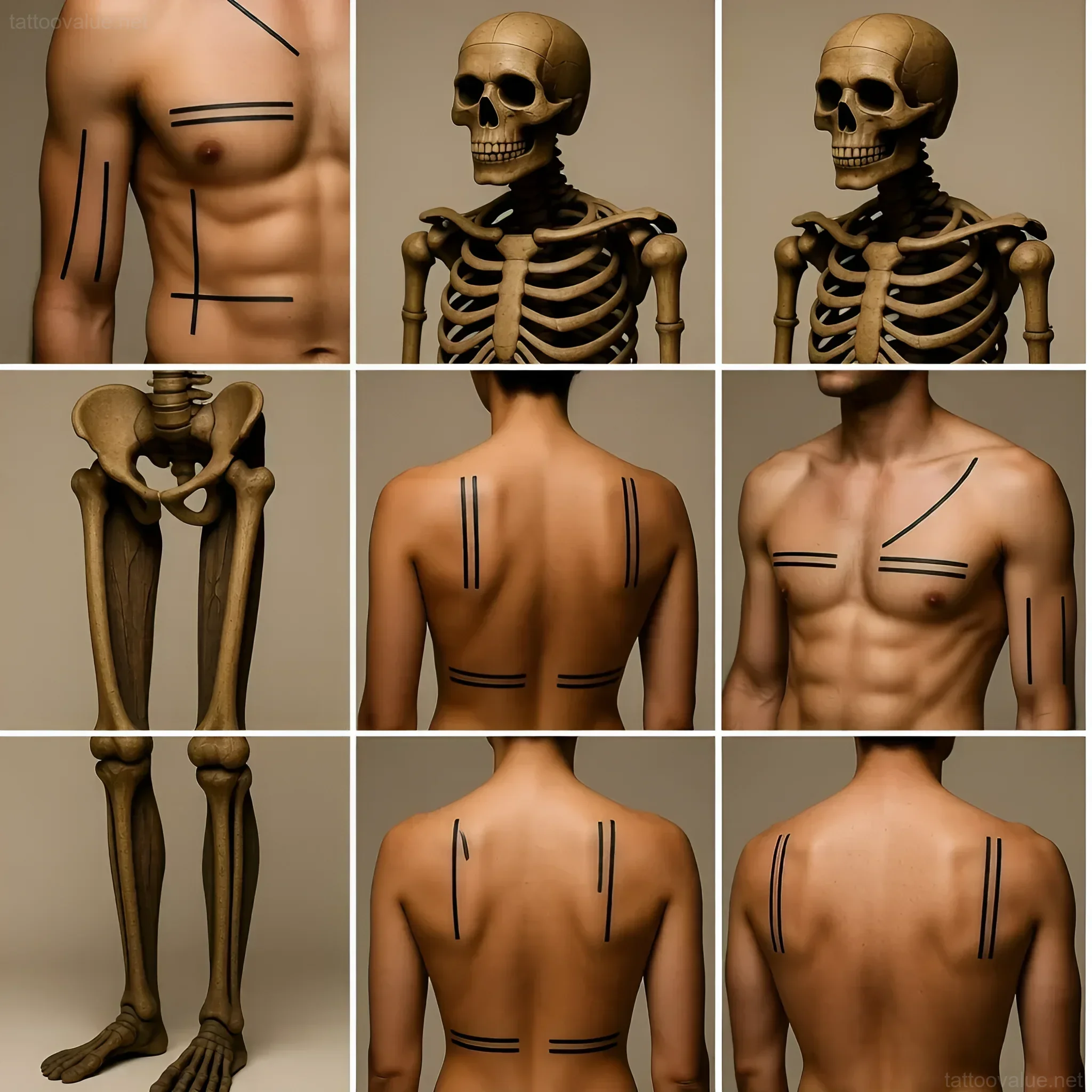
Detailed Tattoo Description
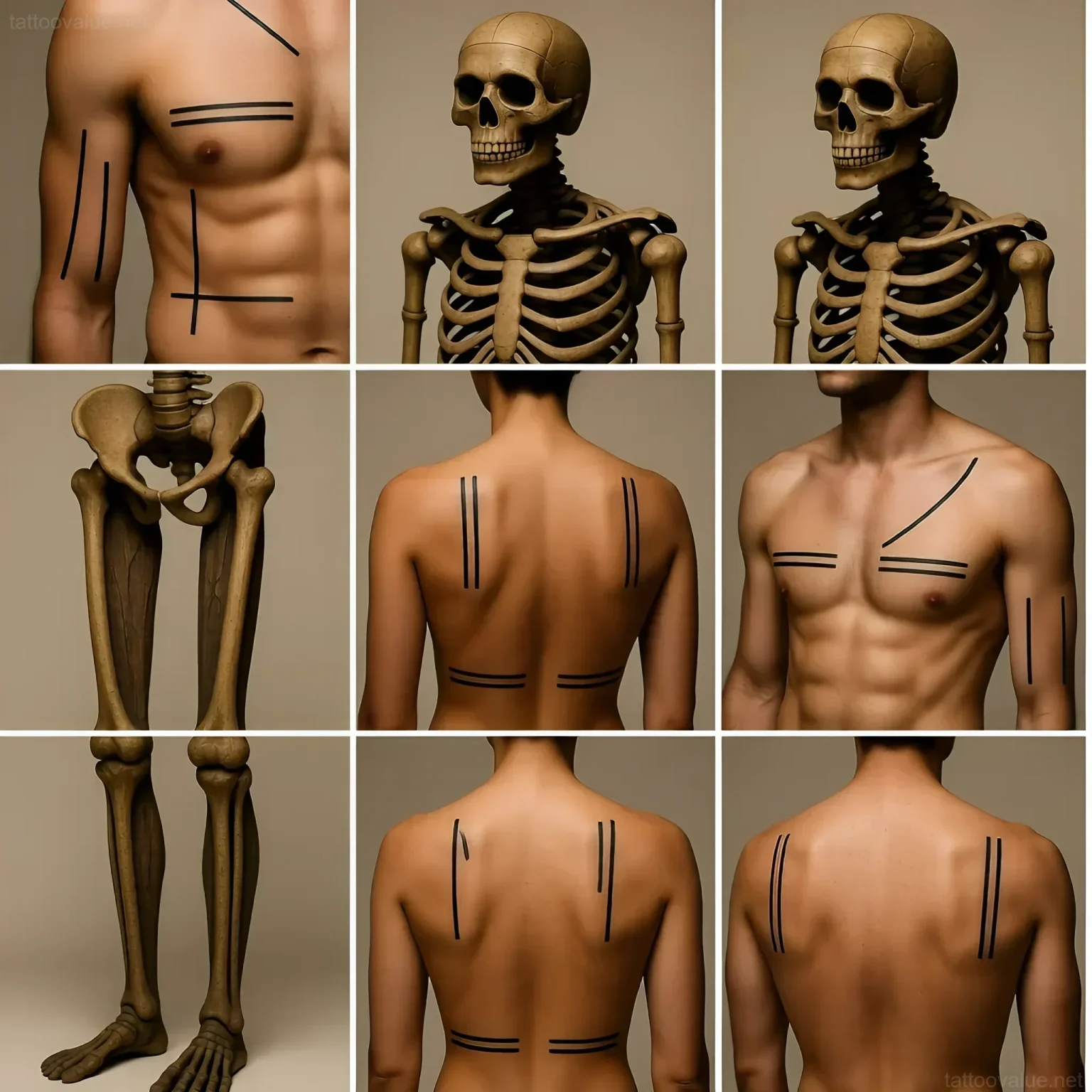
This image showcases a reconstruction of the tattoos found on Ötzi the Iceman, a remarkably preserved mummy dating back over 5,300 years. The tattoos consist of simple, linear markings – primarily short, parallel lines and groupings of dots – applied to various areas of the body. The lines are dark and appear to follow the natural contours of muscles and joints, with a concentration on the back, wrists, and ankles. The overall composition is minimalist, focusing on precise placement rather than elaborate designs.
Symbolism and Meaning
The purpose of these ancient tattoos remains a subject of ongoing research, but the prevailing theory suggests a therapeutic function rather than purely aesthetic or social signaling. The placement of the tattoos corresponds to areas of the body prone to joint pain and degeneration, leading researchers to believe they were a form of acupuncture or pain relief. Linear markings have been historically associated with pathways of energy or meridians in various cultures, hinting at a potential understanding of the body’s internal systems. It’s also possible they held a protective or spiritual significance, warding off illness or injury.
Style and Execution Technique
The tattoos were created using a rudimentary technique, likely involving soot rubbed into small incisions made in the skin. This method differs significantly from modern tattooing, resulting in a less refined and more textured appearance. The lines are not perfectly straight or uniform, reflecting the limitations of the tools and techniques available at the time. The simplicity of the design suggests a focus on functionality and accessibility rather than artistic complexity.
Placement Recommendations
While replicating Ötzi’s exact tattoo placement might not be universally appealing, the areas he chose – along joints and areas of muscle tension – could inspire modern designs. Consider placing similar linear patterns along the spine, wrists, or ankles to subtly echo the ancient practice and potentially focus on areas of personal discomfort or energy flow.