For many of us, getting a new tattoo is a profound act of self-expression, marking a milestone or celebrating a deeply held belief. As dedicated members of the tattoo community, we often prioritize giving back—and blood donation is one of the most impactful ways to do so. However, the moment you leave the studio with fresh ink, a crucial question arises: Can you donate blood after a tattoo?
The short answer is yes, absolutely, but not immediately. There is a mandatory waiting period, a non-negotiable pause designed to protect both the donor and the recipient. This isn’t a judgment on your choice of body art; it is a vital public health safety measure rooted in science and strict regulatory standards. Understanding this waiting period—why it exists, how long it lasts, and how it varies based on where you got your ink—is essential for every responsible tattoo enthusiast.
Understanding the Connection: Tattoos, Blood Donation & Health Risks
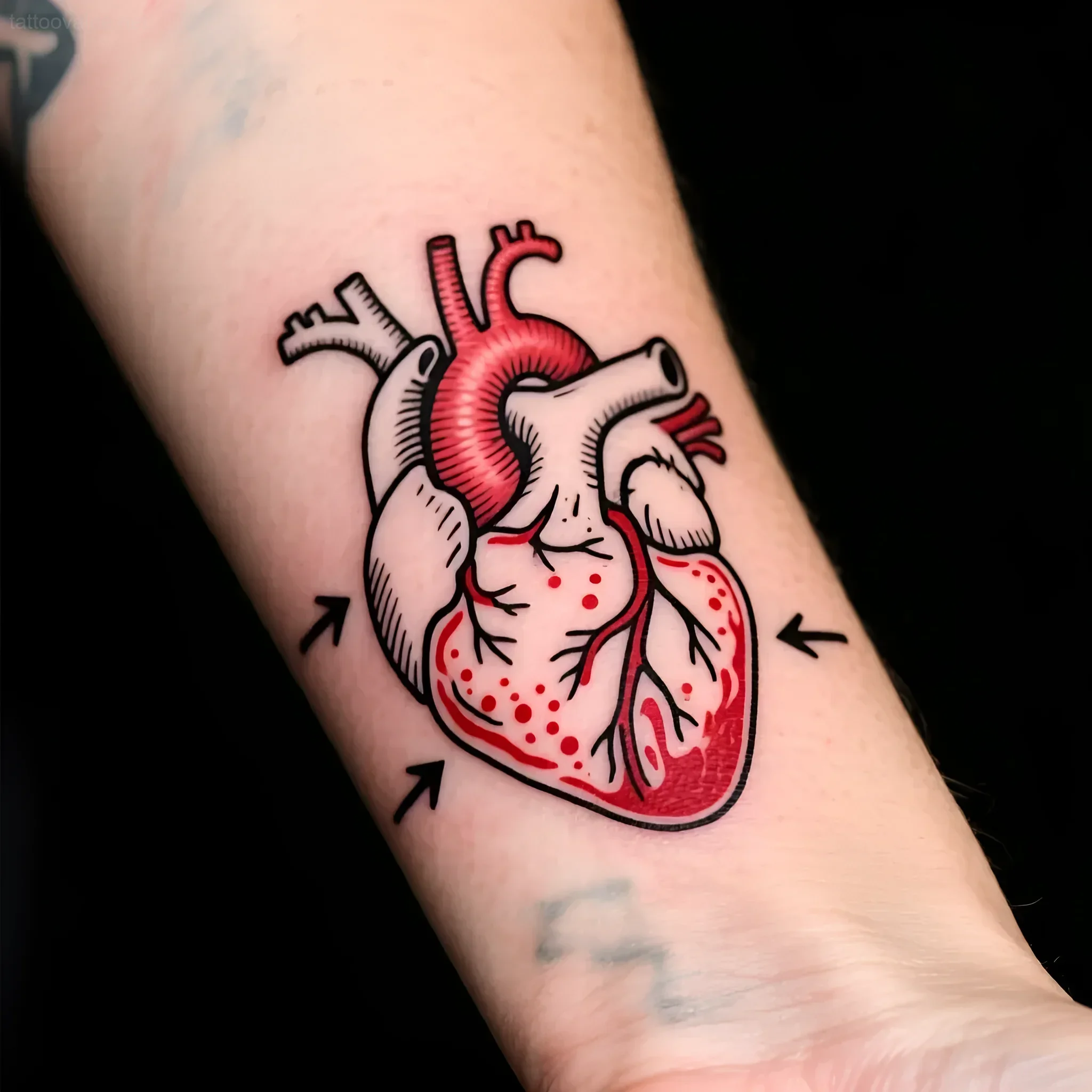
To understand the waiting period, we must first address the foundational concern: the potential transmission of bloodborne pathogens. Tattoos, by their very nature, involve breaking the skin barrier. While modern, professional tattoo studios adhere to rigorous sterilization protocols, any procedure involving needles carries an inherent, albeit minimal, risk of exposure to viruses if equipment or procedures are compromised.
The Primary Concern: Bloodborne Pathogens
The waiting period is specifically designed to mitigate the risk of transmitting viruses that could be passed through blood transfusion. The main pathogens of concern include:
- Hepatitis B and C: These viruses can cause severe liver damage and are highly transmissible via blood.
- HIV (Human Immunodeficiency Virus): While highly screened for, the precautionary waiting period adds an extra layer of protection.
The Scientific Rationale: The Window Period
The length of the mandatory delay is not arbitrary; it is based on the scientific concept of the Window Period. This is the time frame between when a person is infected with a virus (like HIV or Hepatitis) and when the infection can be reliably detected by standard screening tests performed on donated blood.
Even the most advanced screening technologies require a certain viral load to register a positive result. If a person were infected during the tattooing process, donating blood too soon—before the virus has multiplied sufficiently to be detectable—could result in contaminated blood entering the supply. The waiting period ensures that if any exposure occurred, the potential infection would be detectable before the blood is used.
The Waiting Period Explained: Why the Delay After Getting Inked?
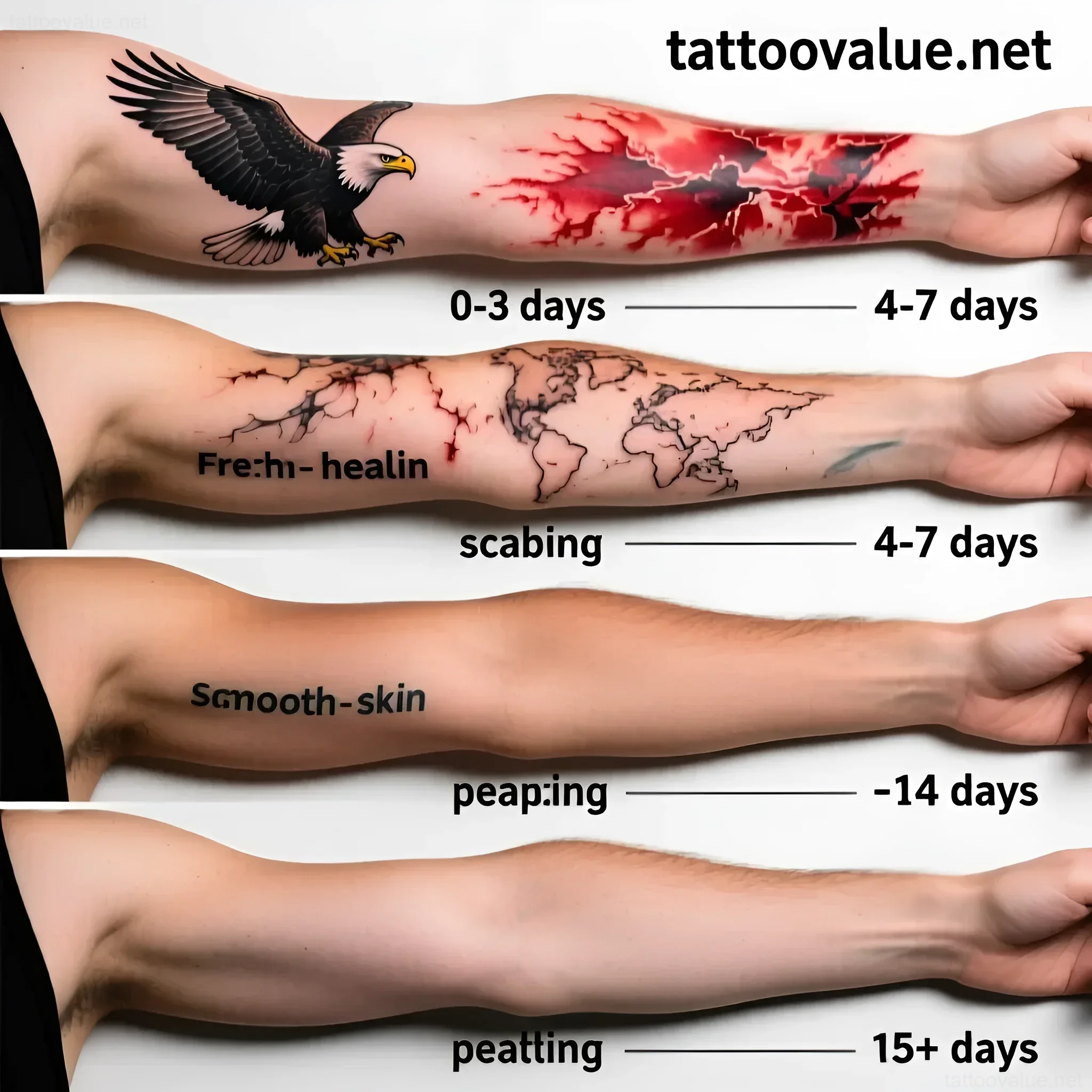
The duration of the waiting period depends almost entirely on the regulatory status of the facility where the tattoo was performed. This is the most critical distinction for donors, especially those in the United States.
Scenario 1: The Standard 3-Month (or 4-Month) Wait
In many regions, especially the UK, Canada, and Australia, the standard waiting period is 3 or 4 months (90 to 120 days). This period is applied broadly because it covers the vast majority of the window period for the most concerning pathogens.
Scenario 2: The 12-Month Mandatory Wait (The Regulation Factor)
In the United States, the American Red Cross and the FDA (Food and Drug Administration) mandate a 12-month waiting period if the tattoo was received in a state or facility that does not regulate tattoo parlors. This is the crucial nuance.
Why the difference? If a state or local jurisdiction does not have a formal regulatory program requiring stringent sterilization, licensing, and inspection of tattoo artists, the risk profile is considered higher. If you received your tattoo in a state where the studio is officially licensed, inspected, and regulated (using single-use needles, proper autoclaving, etc.), the waiting period is typically reduced to 3 months (90 days). If the state lacks this regulatory oversight, the full 12-month wait applies as a comprehensive safety measure against unknown practices.
Before you get inked, ask your artist about their licensing and regulation status. A professional studio should be proud to confirm they operate under state or local health department regulations. If you are unsure, or if you received the tattoo in a non-professional setting (e.g., a home or unlicensed studio), always assume the 12-month waiting period applies.
Regulations by Country: US, UK, Canada, Australia & More
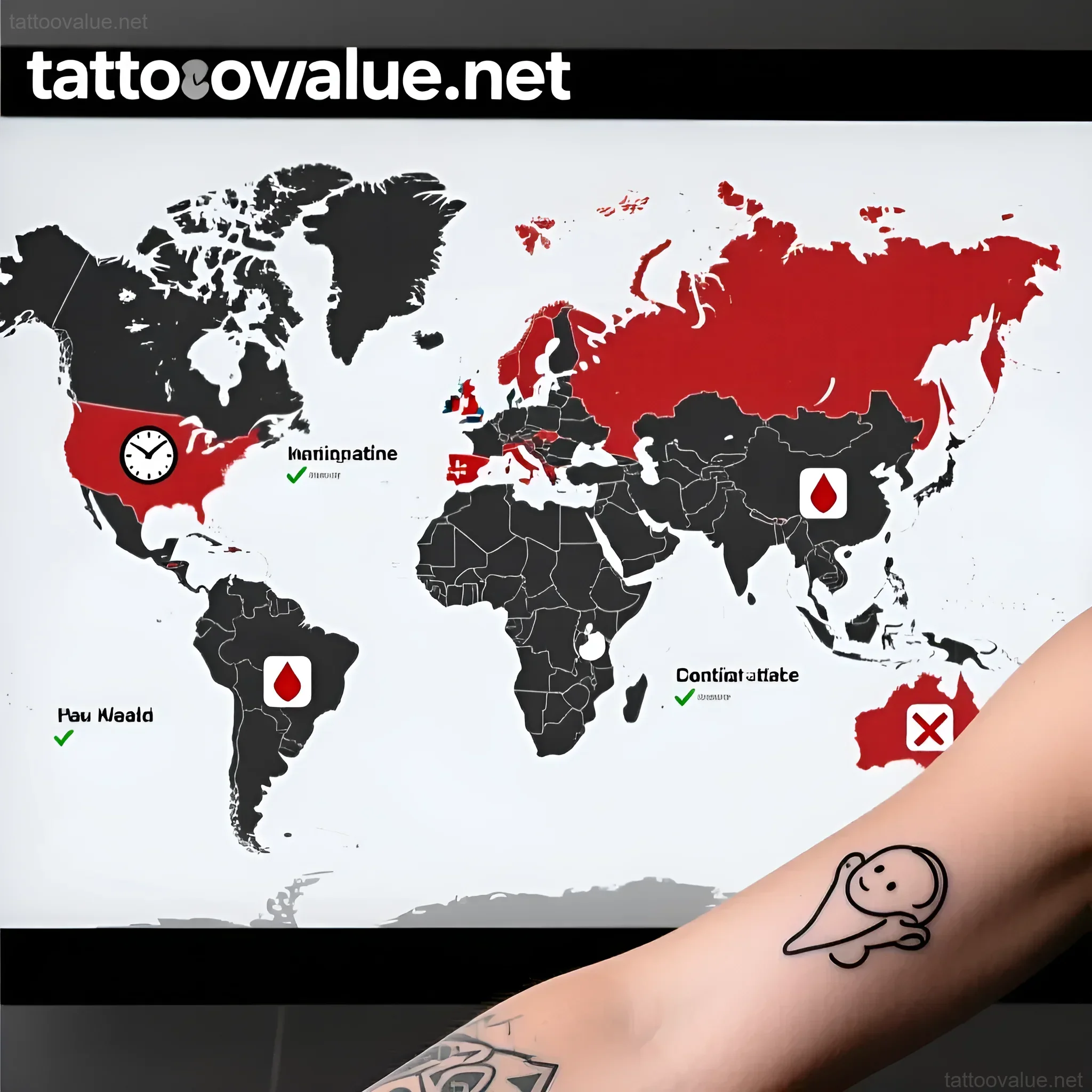
While the goal of blood safety is universal, the exact duration of the mandatory deferral period varies slightly by country, reflecting different national health policies and risk assessments. Here is a breakdown for major Western markets:
United States (American Red Cross / FDA Guidelines)
- Regulated Tattoo Shop: If the tattoo was performed in a state-regulated facility (licensed by the state health department), the waiting period is typically 3 months (90 days).
- Unregulated Tattoo Shop: If the tattoo was received in a non-regulated state, unlicensed shop, or by a non-certified artist, the waiting period is 12 months (1 year).
- Note: Currently, states like New York, California, and Texas generally regulate tattoo parlors, allowing the 3-month deferral. However, regulations can change, so always confirm with the donation center.
United Kingdom (NHS Blood and Transplant)
- Standard Waiting Period: The UK maintains a consistent deferral period of 4 months (16 weeks) for any tattoo received in the UK, regardless of whether it was done in a licensed parlor or not. This also applies to permanent makeup and semi-permanent treatments.
Canada (Canadian Blood Services)
- Standard Waiting Period: Canadian Blood Services requires a waiting period of 3 months (90 days) after receiving a tattoo or piercing, provided the procedure was completed using sterile, single-use needles.
Australia (Australian Red Cross Lifeblood)
- Standard Waiting Period: Australia follows a deferral period of 4 months (120 days) after receiving a tattoo. This is a clear, standard rule designed for ease of adherence and maximum safety margin.
These national rules emphasize a key takeaway: if you are a frequent traveler, the country where the tattoo was applied matters. If you received a tattoo abroad, you might face a different or extended waiting period based on the perceived safety standards of that location.
Factors Affecting the Waiting Period: Tattoo Size, Location & Aftercare
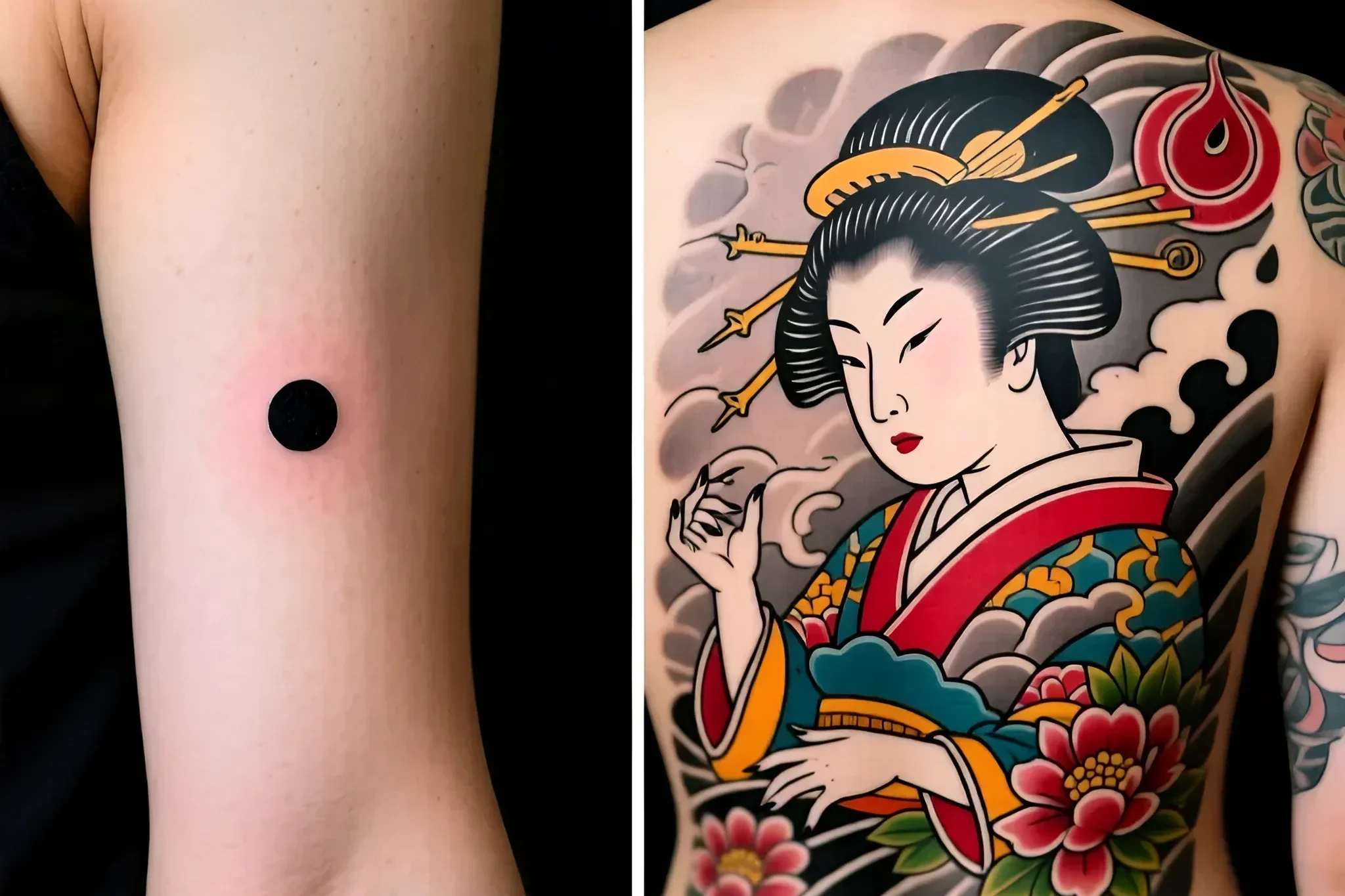
Many first-time donors wonder if the size or location of the tattoo influences the deferral period. Does a small dot on the wrist require the same wait as a full back piece?
The definitive answer is no. The size, complexity, color, or location of your tattoo has absolutely zero impact on the mandatory waiting period. The risk is associated with the process (the needle breaking the skin) and the environment (the hygiene standards of the studio), not the final artistic result.
Cosmetic Tattoos and Micropigmentation
It is crucial to note that the rules apply universally to all forms of permanent and semi-permanent body modification involving pigments and needles:
- Eyebrow Microblading/Permanent Makeup: These procedures involve skin penetration and pigment deposition, classifying them under the same safety protocols as traditional body tattoos. The same 3, 4, or 12-month deferral applies based on regulation.
- Medical Tattoos: Tattoos performed for medical reasons (e.g., nipple reconstruction after mastectomy, marking radiation targets) also require the standard waiting period.
Piercings and the Deferral Rule
The rules for piercings often mirror those for tattoos, but with a critical distinction regarding the equipment used:
- Piercings with Gun/Non-Sterile Equipment: If the piercing was done using a reusable piercing gun or in a non-sterile environment (e.g., a mall kiosk that doesn’t adhere to single-use needle protocols), the 12-month deferral is standard in the US.
- Piercings with Single-Use Needles: If the piercing was performed by a licensed professional using a sterile, single-use needle and jewelry, the wait is typically reduced to 3 or 4 months, matching the tattoo deferral.
The Role of Aftercare
While excellent aftercare is vital for the health and appearance of your tattoo, it does not shorten the blood donation waiting period. The waiting period is about virus detection in the bloodstream, not skin healing. Even if your tattoo heals perfectly in two weeks, the deferral time must still be observed.
Preparing to Donate After Your Tattoo: Ensuring a Smooth Process
Once your mandatory waiting period has passed, you are ready to give back. However, a responsible donor, especially one with extensive body art, should take specific steps to ensure the donation process is successful and safe for both parties.
1. Calculate Your Eligibility Date Precisely
Mark the exact date you received your tattoo and count forward 90, 120, or 365 days, depending on your local regulation. Do not guess. If you try to donate even one day early, you will be deferred.
2. Be Transparent During the Screening Process
When you arrive at the donation center, you will undergo a confidential screening process. Be completely honest when answering questions about when and where you received your tattoo. Specifically, they will ask:
- The exact date of the procedure.
- The location (city and state/province).
- Whether the facility was licensed or regulated.
Providing accurate information ensures the donation center can correctly verify your eligibility based on their regional protocols.
3. Address Iron and Hydration Levels
Tattoo enthusiasts often spend significant time and money on their passion. Ensure your general health is optimized before donation, especially concerning iron levels, which are crucial for a successful donation:
- Hydration: Drink plenty of water (at least 16 ounces) an hour before your appointment.
- Iron-Rich Foods: Ensure you consume iron-rich foods (red meat, spinach, beans, fortified cereals) in the days leading up to the donation. If you are a frequent donor, consult your doctor about iron supplementation.
- Rest: Get a good night’s sleep. Fatigue can make the donation experience unpleasant.
4. Post-Donation Care
After donating, follow the standard advice: rest, eat a good snack, and avoid heavy lifting or strenuous exercise for the rest of the day. Remember that your body is recovering from a blood draw, not skin trauma, so your tattoo aftercare routine is irrelevant at this point, but general physical care is paramount.
Popular Variations & Common Questions About Tattoo & Blood Donation
Even with clear guidelines, specific scenarios related to tattoos often confuse potential donors. Addressing these specific questions can help the tattoo community give blood confidently.
Q1: Does getting a tattoo touch-up restart the clock?
A: Yes. Any procedure that involves breaking the skin and introducing ink, even if it is just a small touch-up, is considered a new procedure for blood donation purposes. If the touch-up was done today, the mandatory waiting period (3, 4, or 12 months) starts over from today’s date.
Q2: What about tattoos done with Henna or temporary tattoos?
A: No deferral needed. Henna (if pure and natural) and temporary tattoos do not involve needles or skin penetration. Since there is no risk of bloodborne pathogen transmission, these forms of body art do not affect your ability to donate blood.
Q3: I have old tattoos. Do they affect my eligibility?
A: No. If you received your tattoos years ago and have observed the required waiting period since the last time you were inked, your old tattoos do not disqualify you. They are permanent, healed works of art and pose no current risk to the blood supply.
Q4: I received my tattoo overseas. How long must I wait?
A: Usually 12 months. Most major blood donation organizations (Red Cross, NHS) apply a conservative 12-month deferral period for tattoos received outside of the US, UK, Canada, or Australia, particularly if the country has less stringent health regulation standards, simply because verifying the specific hygiene practices is impossible.
Q5: Can I donate plasma or platelets instead of whole blood?
A: The rules are the same. The mandatory waiting period applies equally to whole blood, plasma, and platelet donations, as the underlying risk is the presence of a bloodborne virus in the donor’s system, regardless of the component being collected.
Giving Back & Staying Safe: A Conclusion on Tattoos and Blood Donation
Being a dedicated enthusiast of tattoo culture and a responsible citizen committed to public health are not mutually exclusive identities. In fact, they go hand-in-hand. The mandatory waiting period after receiving new ink is not an obstacle; it is a testament to the high safety standards maintained by global health organizations.
The key takeaway is preparation and patience. When planning your next tattoo project, consider the timing if you are a regular blood donor. If you know you have an important donation drive coming up, schedule your tattoo accordingly. If you have just been inked, use the waiting period—be it 3 months or 12 months—to focus on excellent aftercare and prepare your body to be in peak condition for your next donation.
By respecting the essential waiting period, you ensure that your passion for body art never compromises the safety and availability of the world’s blood supply. You can wear your art proudly and still contribute to saving lives, proving that ink and altruism are perfectly compatible.