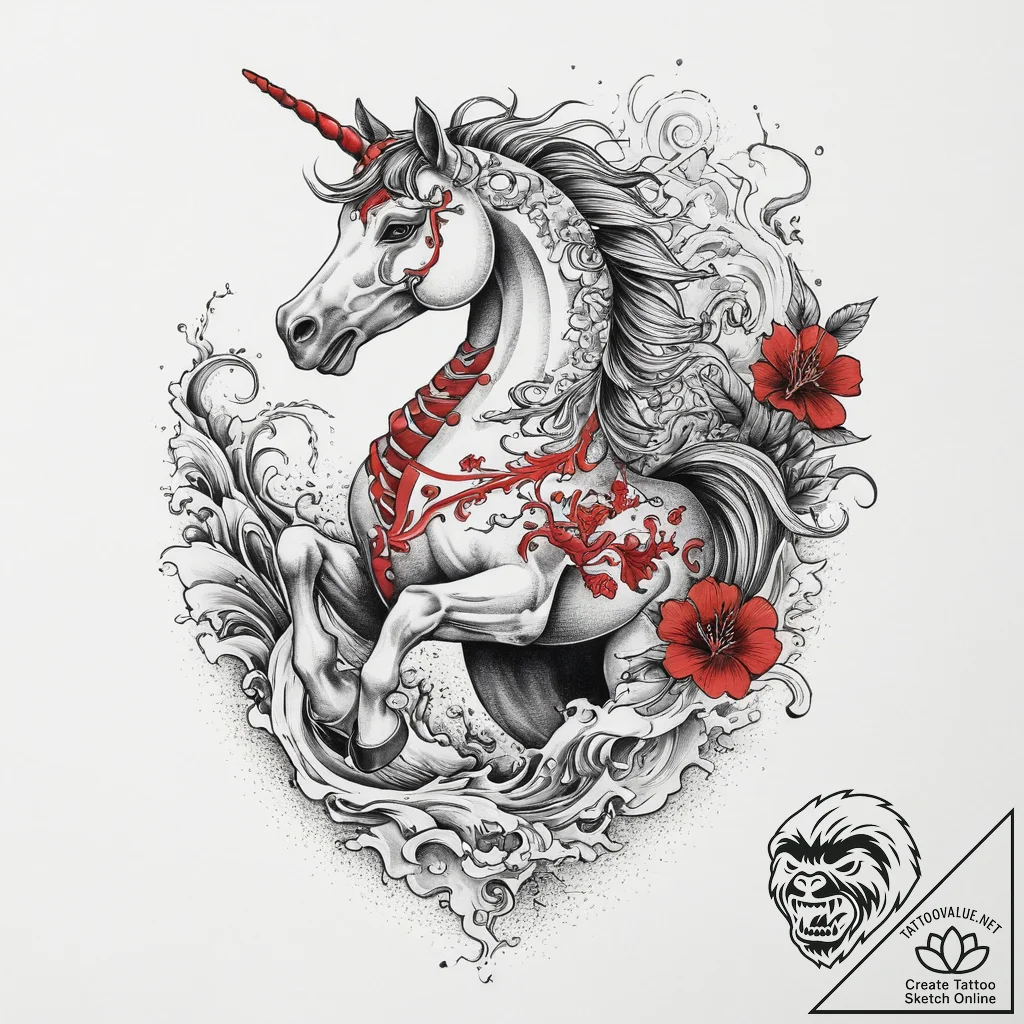
Watercolor tattoos have exploded in popularity over the last decade, captivating audiences with their free-flowing designs, vibrant color palettes, and evocative resemblance to traditional paintings. Unlike the bold outlines and solid fills of many classic tattoo styles, watercolor tattoos embrace a softer, more blended aesthetic, often mimicking the way paint bleeds and washes across canvas. This unique approach allows for a level of artistic expression that feels both contemporary and deeply personal. However, like any tattoo style, watercolor designs come with their own set of considerations, both positive and negative. Understanding these nuances is crucial for anyone considering this beautiful yet distinct form of body art.
Articles about tattoos
Black and grey vs. color tattoos: which is right for you?
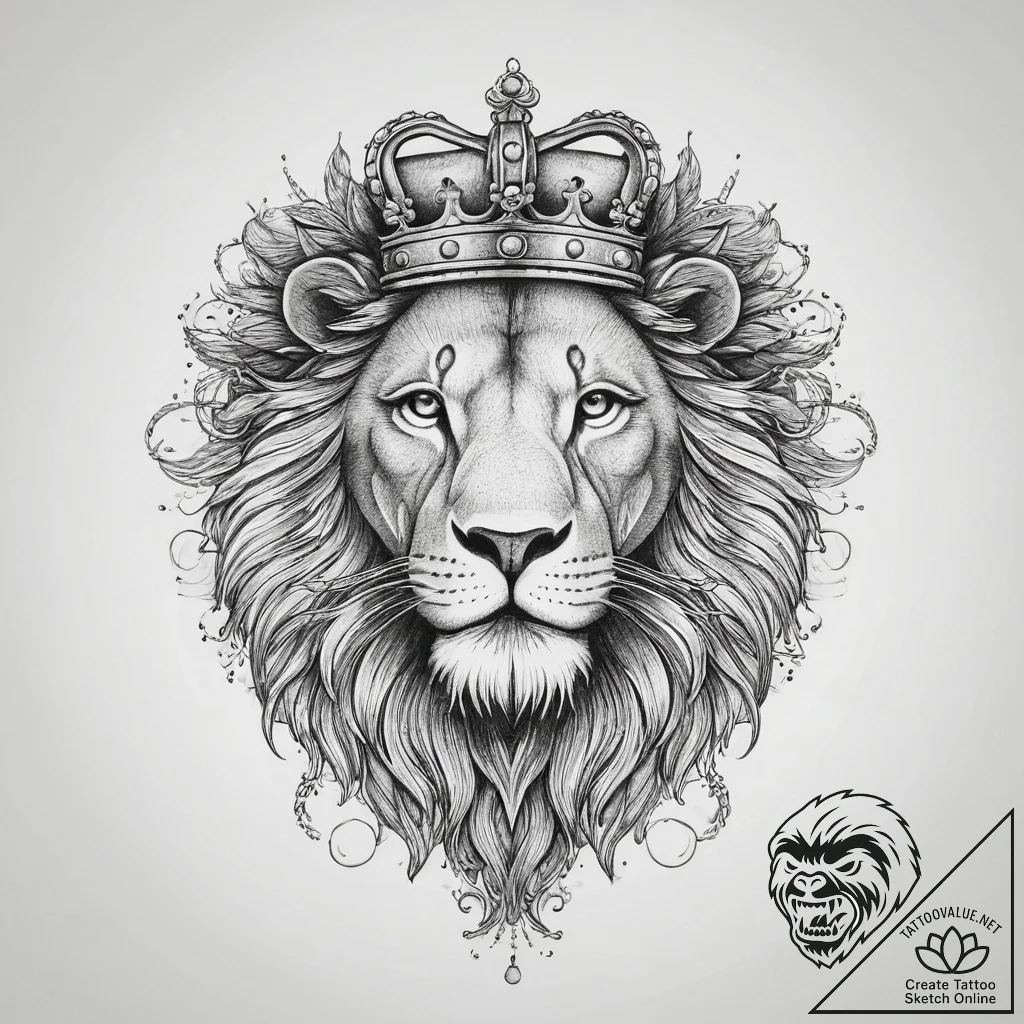
Deciding on your next tattoo is an exciting journey, and one of the most fundamental choices you’ll make revolves around its aesthetic: will it be a classic black and grey piece, or a vibrant explosion of color? Both approaches offer unique artistic possibilities and evoke distinct emotions, making the decision deeply personal. Understanding the nuances, historical context, and artistic potential of each can guide you toward the perfect expression of your chosen design. At tattoovalue.net, we delve into the heart of this visual debate to help you navigate the spectrum and find the style that truly resonates with you.
Tattoos as ancient human history markers

Tattoos, in their myriad forms and expressions, represent far more than mere decoration; they are a testament to the enduring human desire to mark ourselves, to tell stories on our skin, and to connect with something larger than ourselves. From the earliest whisperings of civilization, the practice of tattooing has woven itself into the fabric of human history, serving as a powerful tool for communication, identity, spiritual connection, and social stratification. Across continents and millennia, ink has been meticulously etched into the dermis, creating a living tapestry of cultural heritage that continues to evolve and inspire. Understanding the role of tattoos in different cultures throughout history offers a profound insight into the human experience itself, revealing how deeply ingrained this art form is within our collective past and present.
How tattoo ink is made
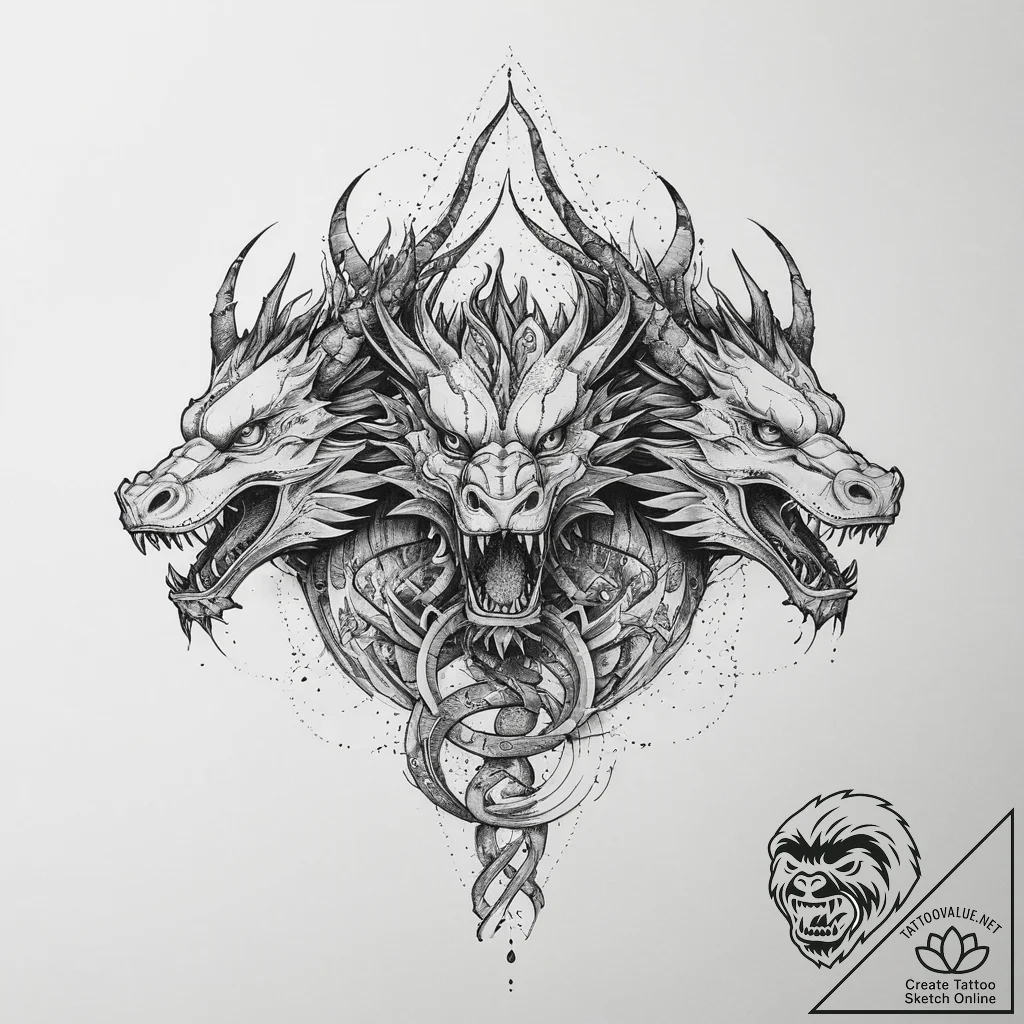
The vibrant designs that adorn your skin tell a story, a testament to artistry and personal expression. But have you ever stopped to wonder about the very essence of these tattoos – the ink itself? Behind every shade of crimson, every deep black outline, and every subtle gradient lies a complex and fascinating process of creation. Tattoo ink isn’t just a simple dye; it’s a carefully formulated mixture of pigments, carriers, and other ingredients, designed for both aesthetic appeal and long-term stability under the skin. Understanding how tattoo ink is made not only demystifies the process but also highlights the importance of quality and safety in this intricate art form. For both aspiring collectors and seasoned enthusiasts, a glimpse into the manufacturing of tattoo ink offers a deeper appreciation for the tools of the trade and the science that makes permanent body art possible. Tattoo artists, in particular, place immense importance on the inks they use, as the quality of the ink directly impacts the final look, healing, and longevity of the tattoo. We will explore the fundamental components, the journey from raw materials to the finished product, the science behind color and durability, the critical aspects of safety and regulation, and finally, what you and your chosen artist should consider when selecting the perfect ink for your next piece of body art.
Exploring geometric tattoo styles

Geometric tattoos have surged in popularity, captivating enthusiasts with their clean lines, intricate patterns, and universal appeal. Unlike tattoos that rely on representational imagery, geometric designs draw their power from shapes, forms, and the harmonious interplay of lines and symmetry. This style taps into a deep-seated human appreciation for order, balance, and mathematical beauty. Whether you’re drawn to minimalist dotwork, complex mandala patterns, or abstract arrangements, geometric tattooing offers a vast canvas for personal expression. This article delves into the heart of geometric tattooing, exploring its core appeal, dissecting its various styles, offering design and placement advice, guiding you in choosing the right artist, and providing essential aftercare tips to ensure your geometric masterpiece stands the test of time.
