Think about the meaning and sense of this tattoo
will help our section with the values, history and meaning of tattoo drawings. After reading, move on to step #2.


will help our section with the values, history and meaning of tattoo drawings. After reading, move on to step #2.

Look at the styles of tattoos and how changing your selected picture. Check out photos of the existing tattoo and don't repeat someone else's idea.

We have collected for you not only pictures of the finished tattoo but also sketches and options for pictures that have not yet found its embodiment in the finished tattoos.
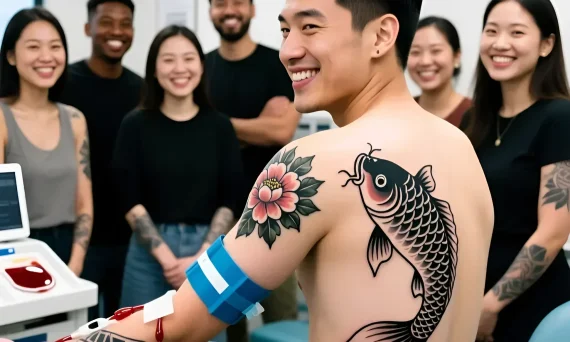
For many of us, getting a new tattoo is a profound act of self-expression, marking a milestone or celebrating a deeply held belief. As dedicated members of the tattoo community, we often prioritize giving back—and blood donation is one of the most impactful ways to do so. However, the moment you leave the studio with fresh ink, a crucial question arises: Can you donate blood after a tattoo?
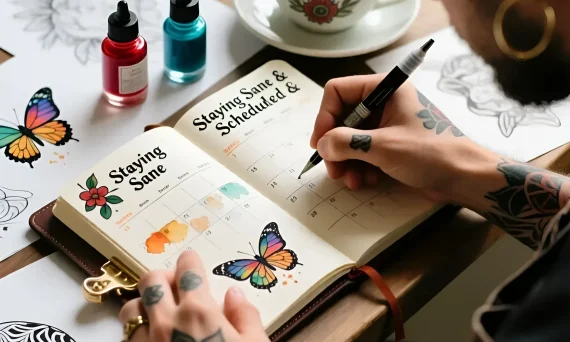
For many, the life of a tattoo artist looks like pure creative freedom—a dream where passion is the paycheck. But the reality, known intimately by professionals in the trade, involves a demanding cocktail of fine artistry, detailed sanitation protocols, intense client psychology, and perhaps the most draining element: relentless administrative work. The tension between the desire to create and the necessity of managing an overflowing appointment book is the primary driver of career fatigue and, ultimately, burnout.
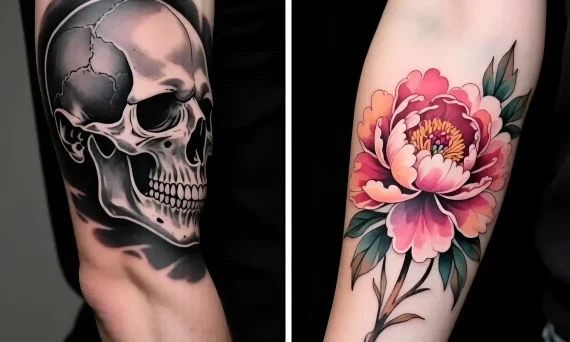
Deciding on your first tattoo is one of the most exciting, yet daunting, personal decisions you will ever make. You’ve settled on the design concept, researched the perfect artist, and now you face the foundational aesthetic dilemma: Should your debut piece be a timeless black & grey masterpiece, or a vibrant, storytelling color explosion?
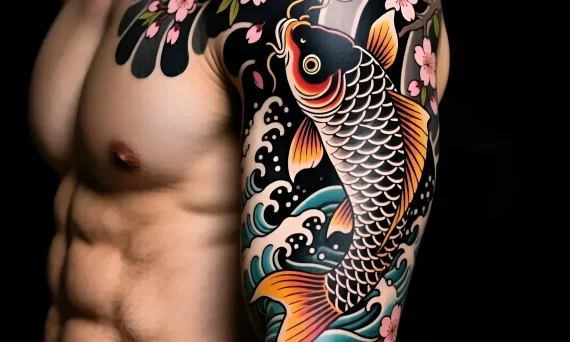
Committing to an extensive tattoo—a full sleeve, a back piece, or a major torso project—is a profound investment in time, money, and personal expression. But the journey doesn’t end when the buzzing stops. In fact, the most critical phase of this investment begins the moment you leave the studio: the healing process. Healing a large piece is fundamentally different from healing a small, isolated design. It demands heightened diligence, a longer commitment, and a deep understanding of how your entire body reacts to significant epidermal trauma. We aren’t just talking about a couple of weeks of lotion application; we are discussing a multi-phase, systemic recovery designed to protect hundreds of square inches of saturated skin.
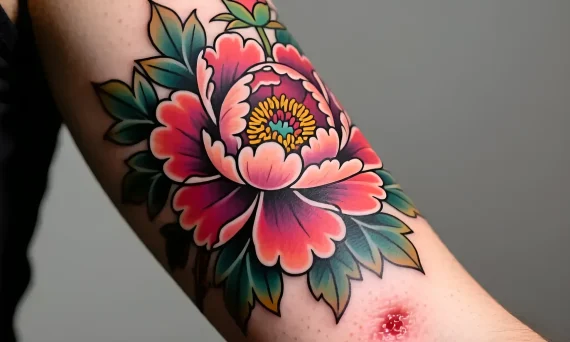
One of the most concerning health questions we receive from clients and enthusiasts at Tattoovalue.net involves the body’s long-term reaction to permanent ink. Specifically: Can tattoos cause swollen lymph nodes years later? This isn’t just a hypothetical worry; it’s a valid biological concern rooted in how the immune system interacts with foreign particles—tattoo pigments—over decades. The short answer is yes, they absolutely can, but understanding the mechanism behind this delayed reaction is essential for distinguishing a benign immunological response from something more serious.