The desire to transform perceived imperfections into unique works of art is a powerful motivator for many seeking tattoos. Scars and stretch marks, testaments to life’s journeys, can sometimes feel like unwanted reminders. However, the world of tattooing offers a beautiful and effective way to reclaim these areas, turning them into canvases for meaningful and stunning designs. Tattoo artists frequently encounter clients who wish to cover or incorporate scars and stretch marks, and with the right approach, the results can be truly transformative. This article delves into the intricacies of tattooing over scars and stretch marks, exploring the process, safety considerations, design possibilities, and how to find the perfect artist to bring your vision to life.
tattoo inspiration
Adding to existing tattoos: how to plan a sleeve
Embarking on the journey of expanding an existing tattoo into a full sleeve is an exciting endeavor that transforms a single piece of body art into a cohesive narrative or a vibrant collection. It’s a process that requires careful consideration, creativity, and collaboration with a skilled artist. Whether you’re looking to build upon a meaningful existing tattoo or simply desire to cover a larger canvas, understanding how to approach this transformation is key to achieving a result that you’ll cherish for a lifetime. This guide will walk you through the essential steps, from conceptualization to the final brushstrokes of ink, ensuring your sleeve project is a resounding success.
Your tattoo’s future self: what to expect over time
Embarking on the journey of getting a tattoo is an exciting decision, often driven by a desire to express individuality, commemorate a significant event, or simply embrace a beautiful piece of art on your skin. However, the vibrant ink that adorns you today is a living entity, constantly interacting with your body and the environment. Understanding how tattoos age is crucial for managing expectations and appreciating the evolution of your chosen design. This article delves into the fascinating process of tattoo aging, offering insights into what you can anticipate in 10, 20, and even 30 years, and providing you with the knowledge to ensure your ink remains as striking as possible throughout its lifespan.
Building a killer tattoo portfolio: what to include
In the vibrant, ever-evolving world of tattoo artistry, your portfolio is far more than just a collection of images; it’s your visual handshake, your silent salesperson, and your most potent marketing tool. For aspiring artists and seasoned professionals alike, a meticulously crafted portfolio speaks volumes about your skill, style, and artistic vision. It’s the primary way potential clients, collaborators, and even future employers will assess your capabilities and decide if your artistic approach aligns with their own aspirations for body art. Think of it as your digital studio, accessible 24/7, ready to impress and convert viewers into clients. In this guide, we’ll delve deep into what constitutes a truly killer tattoo portfolio, ensuring your work gets the attention it deserves.
The ultimate guide to tattoo apprenticeships
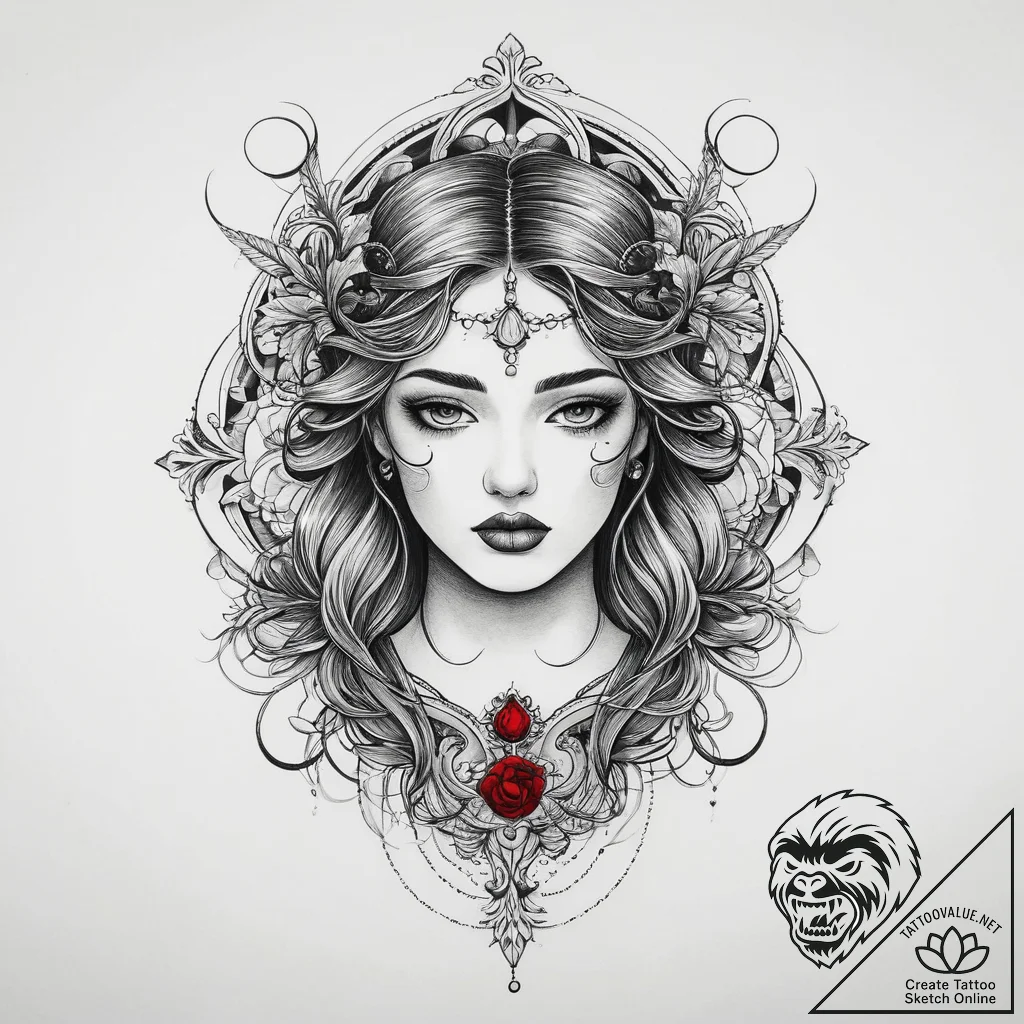
Embarking on the journey to become a professional tattoo artist is an exciting prospect, filled with creativity, dedication, and the potential for a deeply rewarding career. At its core, the path to mastering this ancient art form typically begins with a formal apprenticeship. This isn’t just about learning to wield a tattoo machine; it’s a comprehensive immersion into a vibrant culture, a rigorous training ground for technical skill, and a personal development process that shapes you into a respected artist. For many, the apprenticeship is the crucial stepping stone that transforms a passion for drawing and body art into a viable, professional pursuit. It’s a commitment that demands more than just talent; it requires resilience, a strong work ethic, and an unwavering passion for the craft. Tattooing is a skill honed over time, passed down through generations of artists, and the apprenticeship model remains the most time-honored and effective way to learn its intricacies and develop a unique artistic voice.
